Commercial Water Damage in Brookline, MA
A wet stockroom can interrupt access well beyond the damaged floor. Brookline commercial cleanup plans water removal around affected inventory, staff routes and the building materials that need inspection before business space is restored.
(888) 480-6221Assess the business water loss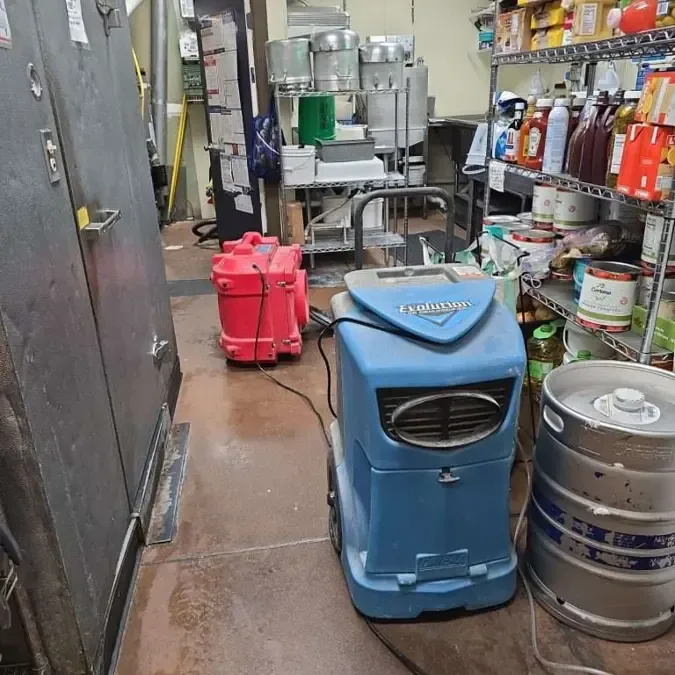
Water behind shelving can reach packaging, floor joints and a shared wall before a business sees it from the sales area. Commercial restoration in Brookline needs to connect those material findings with the way the premises is used. The cleanup plan should identify the affected stock, safe circulation and areas requiring closure before equipment arrives, while source repair addresses the release that started the disruption.
How commercial water damage proceeds
Survey rooms and operations
Identify the water source, affected business areas and immediate hazards. Work with the site contact to establish access, contents priorities and any shared building spaces needing a coordinated inspection.
Document and move affected contents
Record wet inventory and equipment before approved handling or disposal. Create access to floor and wall surfaces while keeping affected items separate from untouched stock and clean circulation routes.
Restore the wet building assembly
Remove accessible water, address unsuitable finishes and prepare retained materials for drying. Position equipment around the actual moisture map with practical routes for progress checks and necessary building access.
Assess the area handoff
Document material condition, source repair and remaining work before finishes or shelving are reinstated. Access decisions should consider the intended use of each room and any unresolved hazards or restrictions.
Plan around the actual business interior
Coolidge Corner and Washington Square are primary retail districts. Coolidge Corner lies at Beacon Street and Harvard Street, with the Coolidge Corner Theatre and S.S. Pierce Building in the district. For an affected business, the useful access details are its entrance arrangements, wet rooms and shared circulation spaces. Those specifics determine how restoration equipment and damaged contents can move through the premises.
- Identify the rooms that contain affected stock and the areas that remain untouched by the water.
- Establish safe staff routes that avoid wet electrical equipment, unstable finishes and contaminated contact surfaces.
- Coordinate building management access when water reaches a neighboring tenant area or shared assembly.
Operating decisions should follow the site assessment. A dry looking sales area may still depend on a route through an affected stockroom, while a wet ceiling can change the usability of space below it. The plan should make these dependencies visible before promising that a particular room can remain open during cleanup.
Separate inventory handling from building recovery
Stock and business equipment need their own condition record. Packaging resting on a wet floor may conceal water against shelving feet or wall bases. Moving items should preserve evidence of damage and avoid transferring residue into clean areas. The building inspection can then evaluate the floor, partitions and concealed layers previously hidden by storage.
Water source and contact determine cleaning needs. A fresh supply release differs from used water or outside flooding, and porous materials need evaluation accordingly. Structural drying follows suitable removal and preparation, with equipment arranged around the retained assembly rather than placed wherever empty floor space happens to be available.
- Photograph affected inventory before relocation or disposal when safe access permits.
- Keep the contents list separate from the building material removal record for clearer estimating.
- Note any fixed shelving or equipment that prevents inspection of the wall and floor behind it.
Identify the wet business areas, affected stock and entrances that must remain usable. A coordinated assessment can then address material recovery alongside the practical access needs of the premises.
(888) 480-6221Discuss the business cleanup scopeBusiness access cannot override an unsafe work area
Keep staff and visitors out of standing water and away from sagging ceilings or wet powered equipment. Do not reopen a route solely because the surface has been wiped. Electrical evaluation, contamination assessment and material stability must inform access decisions. Cords, hoses and removed finishes also need controlled placement during work. Avoid moving heavy shelving to reach water without an appropriate handling plan. Damaged stock should not be transferred into customer areas without assessment. A designated site contact should coordinate entry, room boundaries and changes in the restoration arrangement.
Build a handoff that supports practical decisions
A commercial cleanup record should distinguish source repair, inventory handling and building restoration. Room maps and moisture readings help explain where work remains, while photographs show the exposed assembly before shelving or finishes return. Any reopening decision needs to consider the actual condition and intended use of the space. The final plan should identify remaining repairs and access restrictions clearly enough for the business and building manager to coordinate the next stage.
For general household precautions, see Ready.gov flood safety and the EPA household leak checks.
What does commercial water damage cost in Brookline, MA?
Commercial cleanup in Brookline depends on affected rooms, contents handling and access around the business. These ranges estimate restoration work; inventory losses, source repairs and replacement finishes should be itemized separately in the proposal.
Contained commercial room
$3,000 to $6,000
- Limited work boundary
- Accessible wet surfaces
- Focused contents handling
Several rooms or stock areas
$6,000 to $12,000
- Multiple inventory zones
- Broader material access
- Coordinated drying routes
Large or complex interior
$12,000 to $20,000+
- Extensive assembly wetting
- Shared space coordination
- Detailed repair handoff
These ranges are estimates only. Water category, square footage, material class and the delay before drying affect the scope. The water damage cost calculator compares those variables before a property assessment.
What shapes the commercial water damage plan
A designated site contact
One informed contact can coordinate access to stockrooms, neighboring tenant areas and shared entrances. Clear arrangements reduce confusion when equipment placement or material handling affects the normal use of the premises.
Contents and structure separated
Inventory records should sit alongside the building damage scope without being confused with it. Each needs its own assessment so wet packaging does not obscure moisture at the floor or wall behind storage.
Work boundaries explained
A usable room depends on safe routes and the condition of nearby assemblies. The cleanup plan should identify affected areas and explain how staff circulation interacts with equipment and removal work.
Progress supports decisions
Recorded material findings help the business understand which areas still need attention. A clear handoff should identify unresolved repairs and access restrictions before stock, shelving or replacement finishes return to the space.
Commercial water damage coverage in Brookline
Commercial assessments include Coolidge Corner and Washington Square premises, with access details near Beacon Street and Harvard Street. Identify affected stock areas, shared entrances and any occupied rooms requiring separation from the wet work zone.
The same service nearby: commercial water damage in Roslindale, Allston, Hyde Park.
Related water damage services in Brookline
Water Extraction and Removal
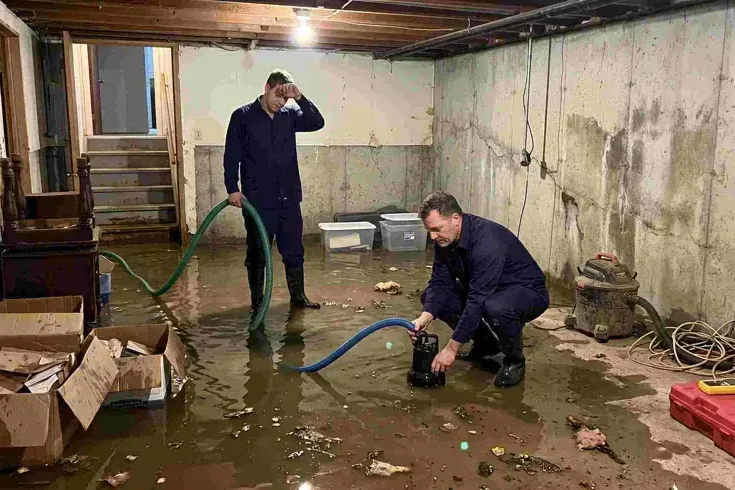
Pumps remove pooled water while extraction tools reach carpet, floor joints and low spots.
Service details ›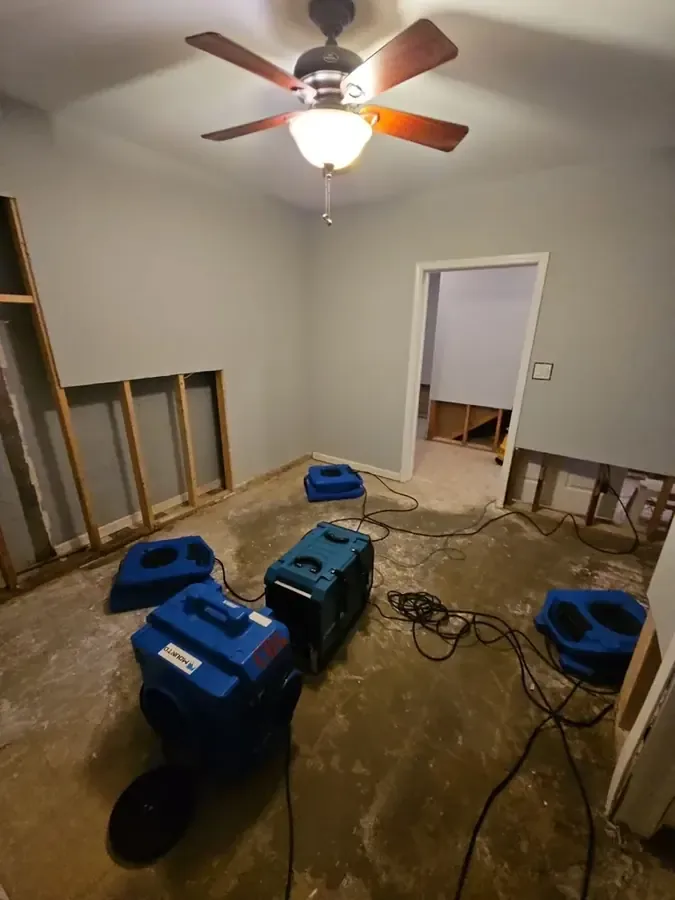
Structural Drying
Material readings determine equipment placement and the end of the drying phase.
Service details ›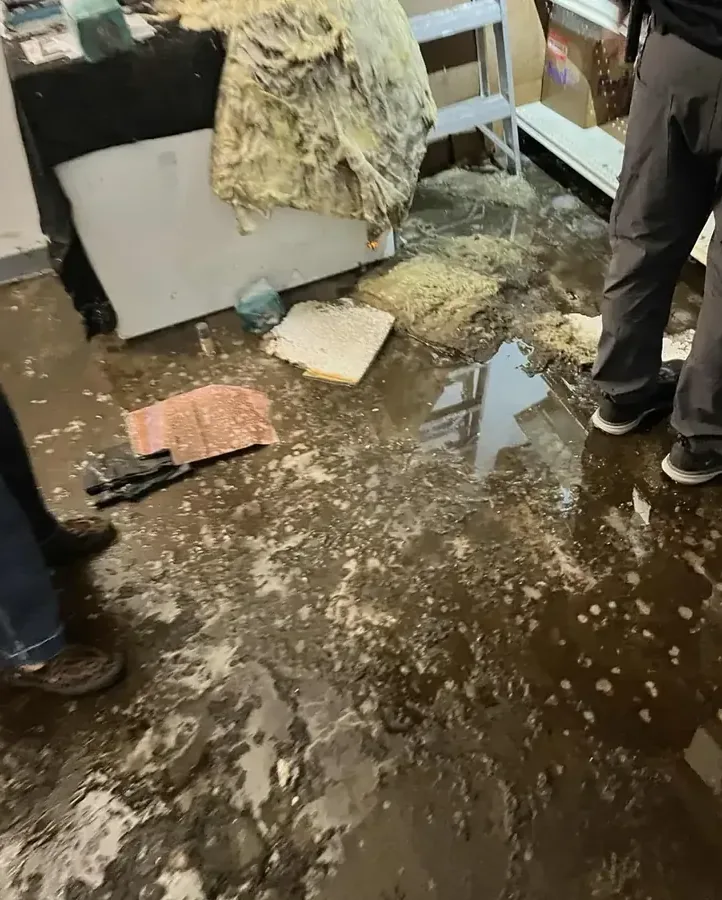
Sewage Backup Cleanup
Containment separates contaminated rooms while crews remove sewage-soaked porous finishes.
Service details ›Commercial Water Damage questions
Can part of the business remain in use?
That depends on safe separation, water condition, electrical concerns and the routes connecting occupied rooms. A dry area may still rely on access through the work zone. The site assessment should evaluate those connections and establish clear boundaries before staff or visitors use space beside restoration equipment and exposed building materials.
Why separate stock records from the building scope?
Damaged inventory and wet structural materials involve different assessments and costs. Separate records help explain what was moved or discarded and what building work was required. Photographs taken before contents handling also reveal the original water contact, while the exposed floor and walls can then be inspected for concealed moisture.
What should a site contact arrange before the visit?
Provide entry details, affected room locations and access to shared or neighboring spaces where water may have traveled. Identify sensitive stock and any areas that staff need to reach. The contact should also know the source repair status so the cleanup assessment can coordinate material recovery with the work stopping further water release.
Can shelving remain in place during drying?
Fixed shelving may obstruct inspection or trap moisture against wall and floor edges. Its position should be evaluated alongside the water path and safe handling requirements. Some areas may be reached without moving the unit, while others need coordinated access. The plan should explain how retained building surfaces behind storage will be checked.
Does extraction make a wet stockroom ready to reopen?
Removing accessible water is only part of the assessment. Contamination, unstable finishes, wet electrical equipment and concealed moisture can still affect safe use. Contents may also require separate handling. The decision should reflect the actual room condition and intended activity rather than the disappearance of puddles from the main walking surface.
How are cleanup costs made easier to understand?
A written proposal should separate source repair, contents handling, material removal, cleaning and drying. Identify affected rooms and any assumptions about access or concealed damage. Changes discovered after opening should be documented so the business can connect added work with specific findings instead of receiving a single unexplained charge for the entire interior.
What belongs in the final restoration handoff?
Include the room map, retained material condition, removed finishes and source repair status. Note remaining construction work and access restrictions before inventory or fixtures return. Clear documentation gives the business and building manager a practical basis for coordinating the next stage without concealing unresolved wet areas behind shelving or new finishes.
Plan recovery room by room
Clear work boundaries and documented material checks help connect source repair, stock handling and the return of suitable interior space to its intended use.
(888) 480-6221Arrange the commercial damage assessment