Commercial Water Damage Allston, MA
A wet business interior presents more than a flooring problem. Stock, customer access and shared building systems all influence the cleanup plan, which should separate immediate water removal from the decisions needed to resume operations.
(888) 480-6221Discuss the affected business space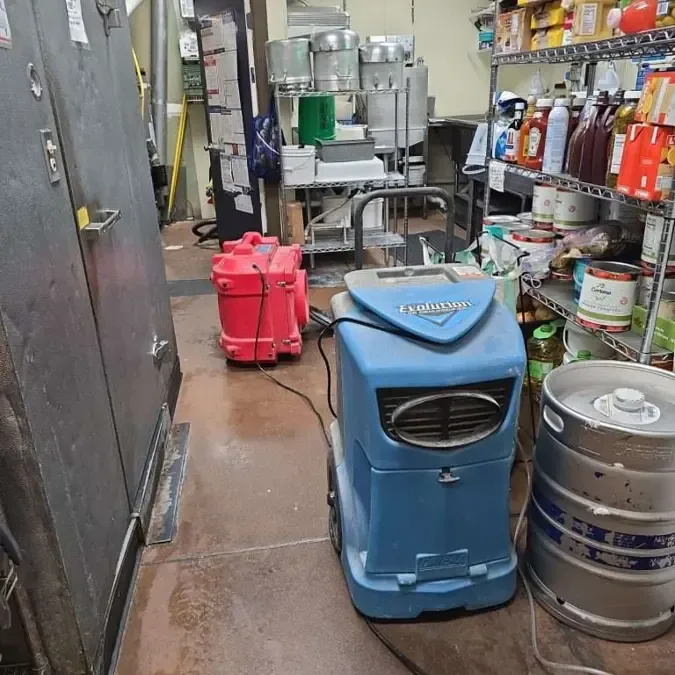
The December 8, 2017 water main break interrupted Allston businesses as well as homes. An affected restaurant closed for the night after the incident. A business water loss can therefore involve service disruption alongside wet materials. The restoration assessment should establish the building damage, contents exposure and access restrictions without treating all of those decisions as a single floor-cleaning task.
How commercial water damage proceeds
Assess the loss with the responsible contacts
The inspection establishes the water source, affected areas and access permissions. Utility concerns and stock exposure are identified so restoration can be organized around the property's conditions and use.
Set the work boundary and document contents
Routes for equipment and material handling are planned alongside public and employee access restrictions. The condition of wet stock, fixed contents and building surfaces is recorded before extraction and removal alter the space.
Remove water and dry prepared assemblies
The restoration scope addresses the water exposure and materials found during inspection. Cleaning and necessary removal prepare retained surfaces for drying, with equipment positioned around the documented work area and monitored material locations.
Document remaining repairs
The handoff summarizes the source status, drying observations and areas still requiring attention. Contents decisions and finish replacement remain distinct so the operator and owner can coordinate the next stage from a clear record.
Start with the way the space is used
Harvard Avenue, Brighton Avenue and Commonwealth Avenue are neighborhood restaurant corridors. Harvard Avenue also has furniture stores, thrift shops and resale businesses. The contents of an affected restaurant differ from those of a shop with stored furniture. A useful inspection accounts for that actual use when deciding how to document exposure and arrange work areas.
- Identify wet stock, furnishings and fixed equipment separately from the walls and flooring around them.
- Record customer routes and shared entrances that could conflict with extraction hoses or material removal.
- Establish the business and building contacts who can authorize access, openings and changes to the restoration scope.
Photographs and a room-by-room inventory help preserve the condition before contents are moved. The handling plan should distinguish dry stock being protected from affected items requiring further evaluation. This supports a clearer work area while keeping decisions about contents understandable to the business operator and property owner.
Build a restoration boundary that matches the loss
Water can move beneath shelving, partitions and counters before appearing in an aisle. The assessment should reach those concealed edges and any connected room. Shared ceilings or plumbing may require access outside the leased space, making coordination with management important before the source is repaired or wet assemblies are closed.
- Check beneath low shelving and built-in counters where water may have collected out of sight.
- Evaluate porous finishes and inventory by their exposure before deciding what can remain during drying.
- Document inaccessible areas and the permission needed to inspect them across tenancy boundaries.
The drying setup should reflect both the affected materials and safe access through the property. Any proposed separation of wet and dry areas requires evaluation of the actual layout and water source. Decisions about business operation remain with the responsible operator and relevant authorities, informed by the condition and restrictions documented during restoration.
Describe the business use, affected rooms and stock exposure. A restoration assessment can establish the work boundary and coordinate access with the people responsible for the interior and building.
(888) 480-6221Discuss commercial cleanup accessKeep employees and customers outside the work boundary
Wet electrical equipment, slippery surfaces and overhead damage require clear access restrictions. Employees should not move energized machinery through water or direct customers across extraction hoses. Affected food, packaging or other sensitive stock needs appropriate evaluation before use. Wastewater or outside-water exposure can change the cleaning and material-removal plan. The business contact should coordinate building access and operating decisions while qualified personnel assess utility concerns. Restoration work should have a defined boundary so ordinary traffic does not interfere with safe extraction, handling or drying activity inside the affected space.
Provide a usable record for the next decision
The project handoff should distinguish source repair, contents decisions, cleanup and finish replacement. Drying records show the condition of retained assemblies, while access notes identify anything not yet addressed. This lets the operator and owner discuss the remaining work with a shared understanding of the building rather than relying only on the disappearance of visible water.
For general household precautions, see Ready.gov flood safety and the EPA household leak checks.
What does commercial water damage cost in Allston, MA?
Commercial water damage cleanup in Allston depends on room use, contents and access. These estimates increase with the affected interior and restoration complexity; stock replacement, equipment repair and business interruption remain separate considerations.
Contained commercial room
$3,000 to $6,000
- Limited affected interior
- Accessible surface cleanup
- Focused stock handling
Several rooms or stock areas
$6,000 to $12,000
- Broader contents exposure
- Multiple drying zones
- More access coordination
Large or complex interior
$12,000 to $20,000+
- Extensive assembly damage
- Complex work boundaries
- Substantial material handling
These ranges are estimates only. Water category, square footage, material class and the delay before drying affect the scope. The water damage cost calculator compares those variables before a property assessment.
What shapes the commercial water damage plan
A scope shaped by business use
The inspection identifies how the affected rooms function and what they contain. This helps separate stock handling, equipment concerns and building restoration instead of applying the same response to every commercial interior.
Clear authority and access planning
Business and property contacts establish who can approve openings and entry to shared spaces. Those arrangements help keep source investigation and material drying connected across the affected portion of the building.
Contents records before movement
Wet inventory and furnishings are documented before handling decisions change the scene. Protected dry items remain distinguishable from exposed stock, giving the operator an organized account of the contents affected by the loss.
Progress visible to the operator
The work record explains completed removal, current drying areas and remaining restrictions. That information supports practical discussions about access and repair scheduling as the condition of the commercial interior changes during restoration.
Commercial water damage coverage in Allston
Commercial assessments include Harvard Avenue, Brighton Avenue and Commonwealth Avenue. Describe the business use, affected rooms and responsible building contact so access, stock handling and restoration boundaries can be discussed before work begins.
The same service nearby: commercial water damage in Roslindale, Brookline, Hyde Park.
Related water damage services in Allston
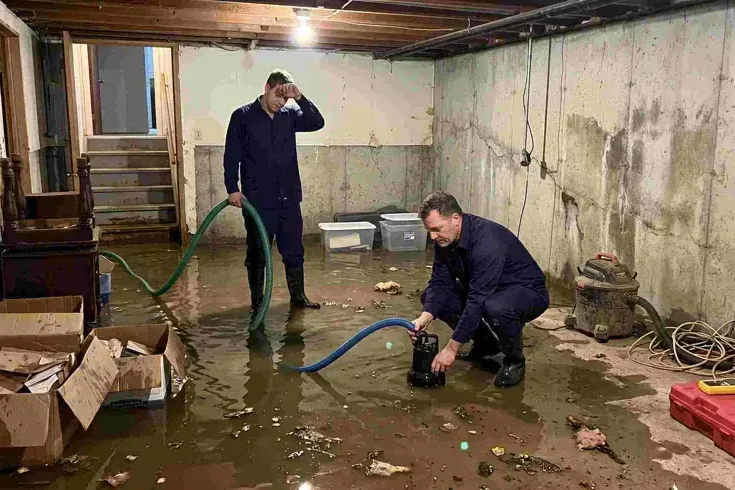
Water Extraction and Removal
Pumps remove pooled water while extraction tools reach carpet, floor joints and low spots.
Service details ›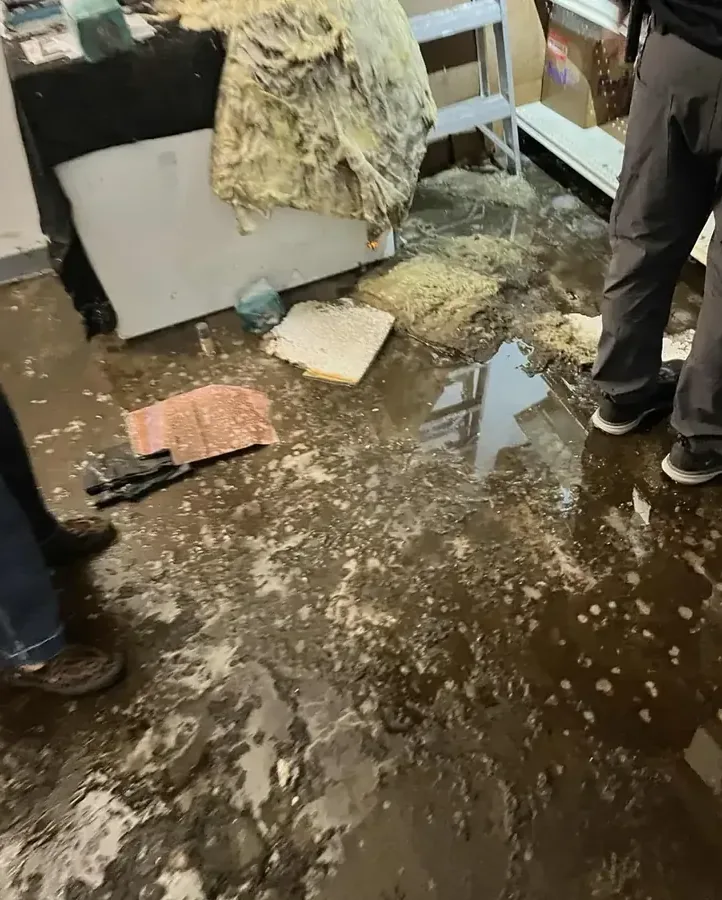
Sewage Backup Cleanup
Containment separates contaminated rooms while crews remove sewage-soaked porous finishes.
Service details ›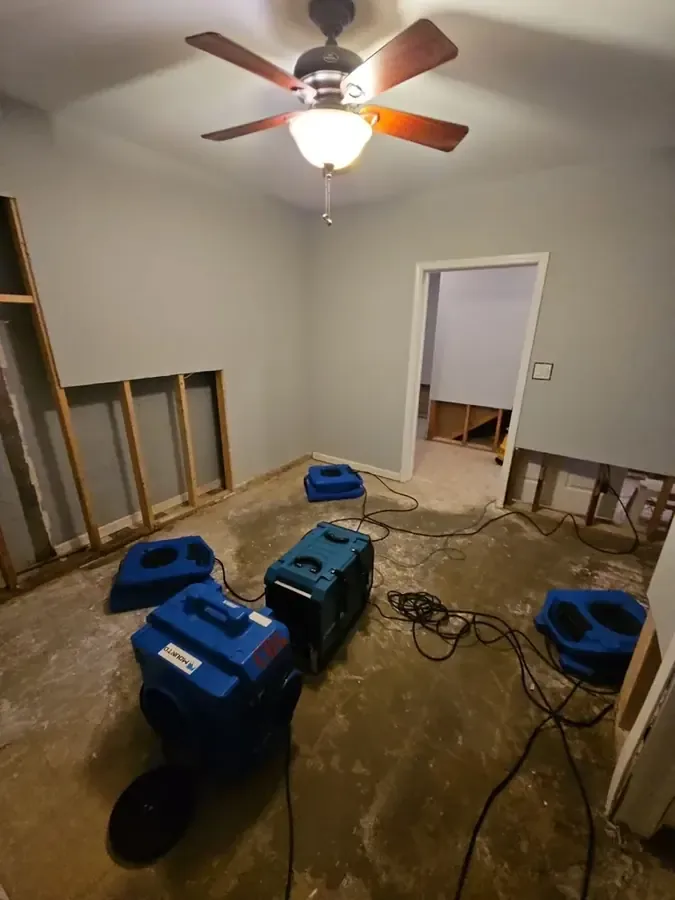
Structural Drying
Material readings determine equipment placement and the end of the drying phase.
Service details ›Commercial Water Damage questions
Who should participate in the first commercial assessment?
The business operator and the person responsible for the building should establish access and approval responsibilities. Information about shared systems, lease boundaries and affected stock helps organize the inspection. A clear contact structure makes it easier to coordinate source repair, authorized openings and restoration work across the spaces involved in the loss.
Can dry merchandise remain inside the business?
Its location and protection needs should be evaluated against the work boundary and water exposure. Dry stock may need relocation to preserve access or avoid contact with affected material. The handling plan should keep it distinguishable from wet inventory and document any movement that changes the original arrangement of the space.
What happens when water reaches another tenant's area?
Management may need to arrange access and communication across the affected spaces. The water path should be inspected as a connected building problem even when separate businesses occupy the rooms. Records for each area help explain the restoration scope and identify any permissions or restrictions that limit inspection and drying access.
Does cleanup determine when a business can reopen?
Restoration provides information about affected materials, completed work and remaining restrictions. The responsible operator and relevant authorities make operating decisions based on the business use and conditions. The work record should describe the state of the space clearly so those decisions consider more than the appearance of a dry floor.
Why are shelves and counters included in moisture checks?
Fixed contents can conceal water beneath or behind them, and porous bases may absorb moisture. The inspection should examine those edges where access permits. Temporary movement or selective access may be needed to reach retained building surfaces and prevent equipment placement from overlooking a wet section hidden by the normal business layout.
How should contents costs be separated from building cleanup?
The estimate should distinguish restoration of the interior from decisions about inventory, furnishings and equipment. A contents record helps identify exposure and handling needs, while the building scope describes extraction, removal and drying. Keeping those categories understandable allows the operator and property owner to coordinate their respective decisions and records.
What records are useful after the equipment is removed?
Room photographs, an itemized scope, contents notes and drying observations provide a coherent account of the loss. The handoff should also identify source repairs and any inaccessible or unfinished area. These details help the business and building contacts plan replacement work and explain what restoration accomplished inside the affected commercial space.
Organize recovery around the working space
Clear material records and drying observations help the operator understand what has been addressed and which repairs remain.
(888) 480-6221Arrange a business damage assessment