Sewage Backup Cleanup Allston, MA
When a drain releases wastewater into a room, keeping people away comes first. Cleanup must address contacted surfaces, porous finishes and the drainage problem before normal use can resume safely.
(888) 480-6221Discuss a wastewater cleanup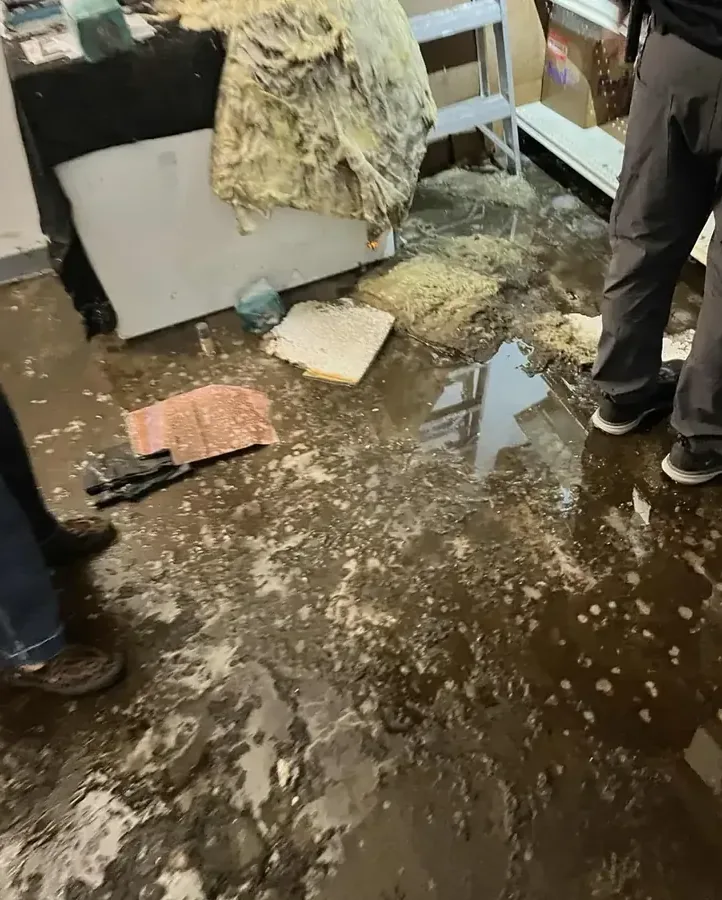
A backed-up drain changes how a wet room should be handled. Water from a sewage release can carry contamination onto flooring, stored belongings and the lower parts of partitions. Boston Water and Sewer Commission provides sewer services in Boston. Inside an affected Allston property, the cleanup plan also needs a clear drainage diagnosis and an assessment of everything the wastewater reached.
How sewage backup cleanup proceeds
Identify the wastewater footprint
The assessment checks the overflowing fixture, adjoining rooms and concealed edges. Access restrictions are established while the drainage problem and electrical concerns receive appropriate qualified attention before work starts.
Remove water and unsalvageable finishes
Controlled extraction and material handling address the contaminated area. Affected porous items are evaluated, documented and removed where necessary to expose the retained surfaces for cleaning and inspection.
Clean accessible retained surfaces
The cleaning stage follows the water path and the materials left in place. Newly exposed edges are checked so the work area can be adjusted when hidden spread is discovered.
Dry and describe the remaining repairs
After cleaning, measurements direct drying of retained assemblies. The completion record identifies the treated areas, drying observations and finish replacement needs for the owner or responsible building manager.
Contain the affected space before moving contents
Access control helps prevent shoes, possessions and equipment from carrying contamination into dry rooms. The work boundary should follow the actual water path, including a doorway or storage alcove that was wet before the visible pool receded. Porous items require individual evaluation rather than a quick wipe and return to use.
- Keep children and pets out of rooms touched by wastewater, including areas where the floor has already drained.
- Leave saturated rugs, cardboard boxes and upholstered belongings in place until their handling method is established.
- Tell the building contact which drains overflowed and whether the backup changed when fixtures were used elsewhere.
Allston Village centers on Harvard Avenue between Commonwealth Avenue and Cambridge Street. In a shared building there, a cleanup inspection may require coordination beyond the first affected bathroom. The source investigation needs to determine what is happening in the drainage system while restoration work maps the separate path of water through interior materials.
Choose materials by condition and exposure
Wastewater can reach the underside of flooring or the interior of a partition through small gaps. Cleaning the exposed face does not reach those concealed surfaces. The assessment should explain which finishes require removal, which hard surfaces can be cleaned and what access is needed to treat the remaining assembly.
Lower Allston contains both single-family and multifamily Victorian homes. At a particular home, the inspection should identify the actual wall and floor materials touched by the release. A dry-looking baseboard can conceal wet backing, while water under a cabinet may require a controlled opening. The scope follows that exposure rather than the room's appearance alone.
- Separate removal of contaminated porous finishes from cleaning of retained, accessible hard surfaces.
- Record the affected contents before disposal decisions so the owner has an understandable inventory.
- Check concealed edges again after removal exposes the full wastewater path through the room.
Report the overflowing drain, affected rooms and whether wastewater continues entering. Keep occupants outside the contact area while an assessment establishes the appropriate cleanup and access plan.
(888) 480-6221Arrange wastewater assessmentAvoid spreading wastewater during an improvised cleanup
Household fans should not be aimed across a sewage-affected room before the cleaning plan is established. Occupants should avoid contact with the water and keep wet shoes or belongings out of clean spaces. Electrical equipment touched by the release needs qualified evaluation. Cleaning chemicals should never be mixed, and a household vacuum should not be used for contaminated water. Stop using a fixture that causes further backup and notify the responsible property contact. Drain repair and interior cleanup need coordination before the room returns to normal use.
Document the transition from cleaning to drying
The project record should show the affected boundary, materials removed and surfaces cleaned. Photographs of exposed wall bases and cabinet voids give the owner a record before replacement finishes conceal them. Only then can the retained structure receive an appropriate drying arrangement. Moisture readings track the remaining wet assemblies, while the source-repair status remains part of the handoff. Clear documentation helps distinguish contaminated-material removal from the later replacement of floor coverings, wall finishes and stored contents.
For general household precautions, see Ready.gov flood safety and the EPA household leak checks.
What does sewage backup cleanup cost in Allston, MA?
Sewage backup cleanup in Allston depends on how far wastewater traveled and which materials it contacted. These estimated ranges account for increasingly complex removal and cleaning; drain repairs and replacement finishes require separate scope details.
Contained bathroom area
$2,000 to $4,000
- Small contact area
- Accessible hard surfaces
- Limited porous removal
Several contaminated rooms
$4,000 to $7,000
- Broader wastewater travel
- More contents handling
- Multiple cleaning areas
Extensive concealed spread
$7,000 to $10,000+
- Hidden surface exposure
- Complex material removal
- Expanded drying work
These ranges are estimates only. Water category, square footage, material class and the delay before drying affect the scope. The water damage cost calculator compares those variables before a property assessment.
What shapes the sewage backup cleanup plan
Controlled occupant access
The cleanup area is separated from ordinary room use. Access arrangements account for shared entrances and help keep contamination from being carried into unaffected spaces by people or belongings.
Material-specific handling
Porous finishes and accessible hard surfaces require different decisions. The scope describes those decisions plainly so the owner understands why cleaning alone may not preserve every affected item.
Drain and cleanup coordination
Information about the overflow is shared with the responsible property contact. Correcting the drainage problem supports the interior work and reduces the chance of repeated wastewater entry during cleanup.
Records of exposed areas
Photographs show the original contact area and what removal reveals. These records explain changes to the scope and give the owner a clear account of the restoration sequence.
Sewage backup cleanup coverage in Allston
Cleanup assessments can be arranged for Allston Village, Harvard Avenue and nearby residential interiors. Explain the drain involved, rooms reached and available access, especially when a shared building requires coordination with management.
The same service nearby: sewage backup cleanup in Roslindale, Brookline, Hyde Park.
Related water damage services in Allston
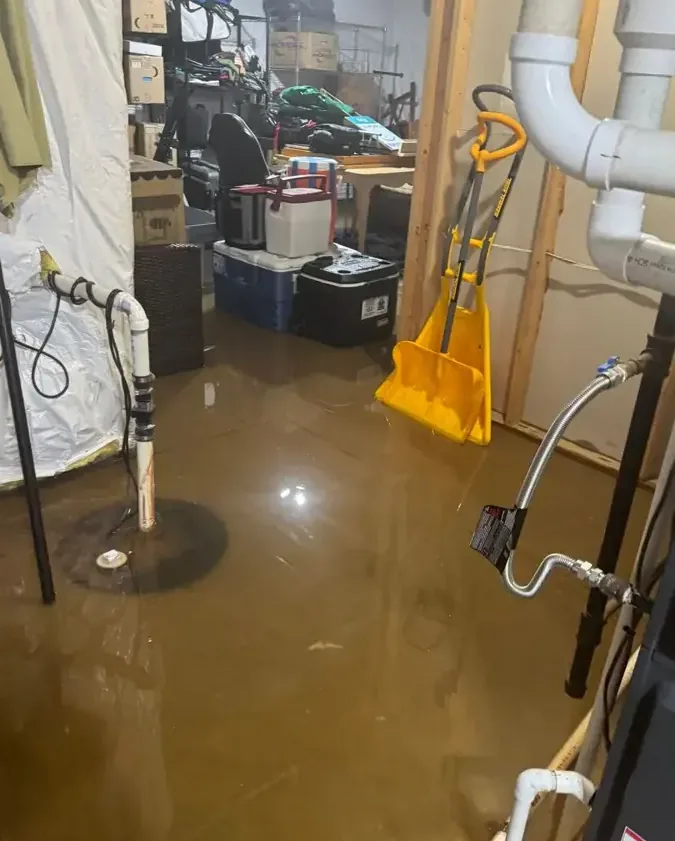
Basement Water Removal
Below-grade extraction starts with electrical clearance and the actual water entry route.
Service details ›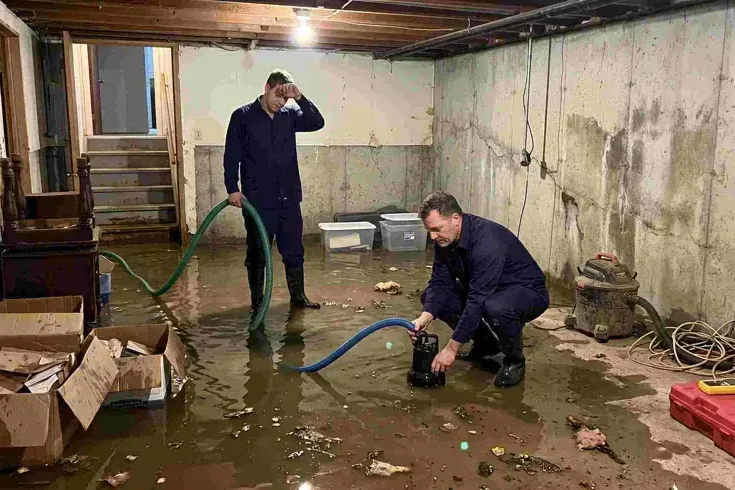
Water Extraction and Removal
Pumps remove pooled water while extraction tools reach carpet, floor joints and low spots.
Service details ›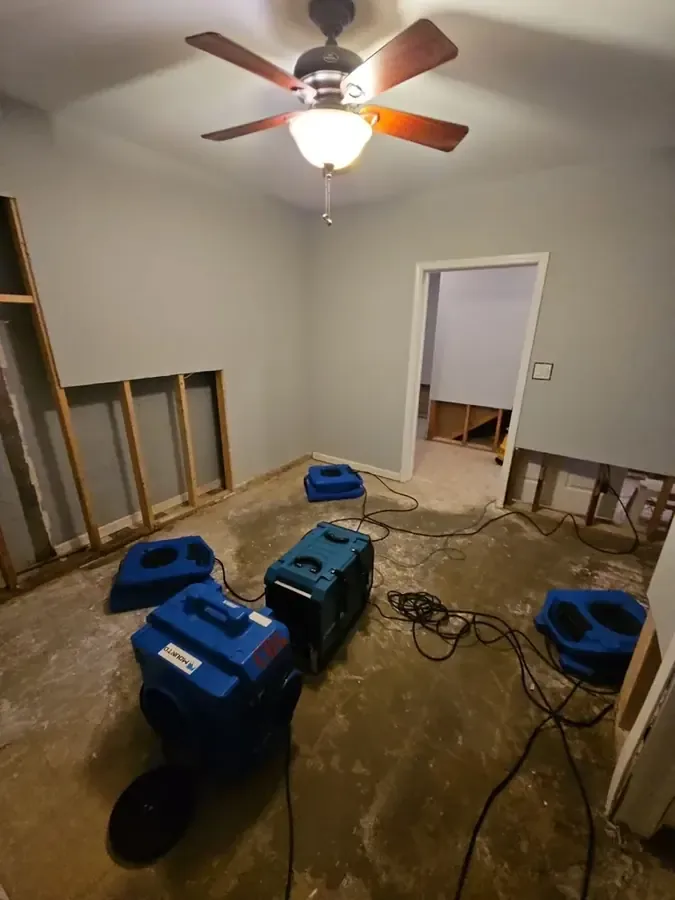
Structural Drying
Material readings determine equipment placement and the end of the drying phase.
Service details ›Sewage Backup Cleanup questions
Is a room usable after the wastewater drains away?
The disappearance of the pool does not remove what it left on surfaces or inside porous materials. Access should stay restricted while the contact area is evaluated. Cleanup needs to address residues, affected finishes and concealed water, followed by drying where appropriate, before normal room use is considered.
Should an overflowing toilet keep being flushed?
A fixture that triggers more backup should stop being used while the responsible property contact arranges a drainage assessment. Repeated use can add wastewater to the affected room. Occupants should report whether other drains are involved and avoid trying to clear the problem from inside contaminated standing water.
Can a wet carpet remain after a sewage release?
Carpet, padding and backing need evaluation based on their contact with wastewater and the ability to clean the assembly. Porous materials may require removal rather than surface cleaning. The restoration scope should explain the reason for that decision and document the affected material before disposal or replacement is arranged.
How is a shared hallway handled during cleanup?
A shared route requires coordination with management so occupants have clear instructions and equipment can move without spreading contamination. The affected boundary should be identified, including any tracked water. Work access and ordinary building access may need separation while extraction, material removal and cleaning are underway inside the property.
Does a sewer provider also handle indoor restoration?
Municipal sewer service and restoration of interior damage are distinct tasks. The drainage issue should be directed to the appropriate responsible party, while the cleanup assessment addresses surfaces, contents and wet assemblies inside the building. The owner benefits from keeping the source findings and restoration records together for a coherent project history.
Can strong cleaning products replace material removal?
A product applied to the exposed face cannot reach every concealed surface beneath flooring or inside a wall. The material and exposure determine whether cleaning is feasible. Removal may be needed for access or because a porous finish cannot remain. Chemical selection should be part of a controlled cleanup method.
What records should the property contact retain?
Useful records include photographs of the contact area, a list of affected belongings, drainage findings and an itemized restoration scope. Removal and cleaning notes should describe the surfaces addressed. Later drying records explain the condition of retained materials and help organize any separate replacement work after cleanup is completed.
Restore a usable room through controlled cleanup
The work sequence connects source correction, contaminated material handling and drying of the retained building assemblies.
(888) 480-6221Discuss the cleanup boundary