Water Heater Leak Cleanup in Brookline, MA
Water at a heater base can reach nearby partitions and floor coverings before the tank problem is repaired. Brookline heater leak cleanup checks those surrounding materials and the path into adjoining rooms.
(888) 480-6221Assess the heater spill area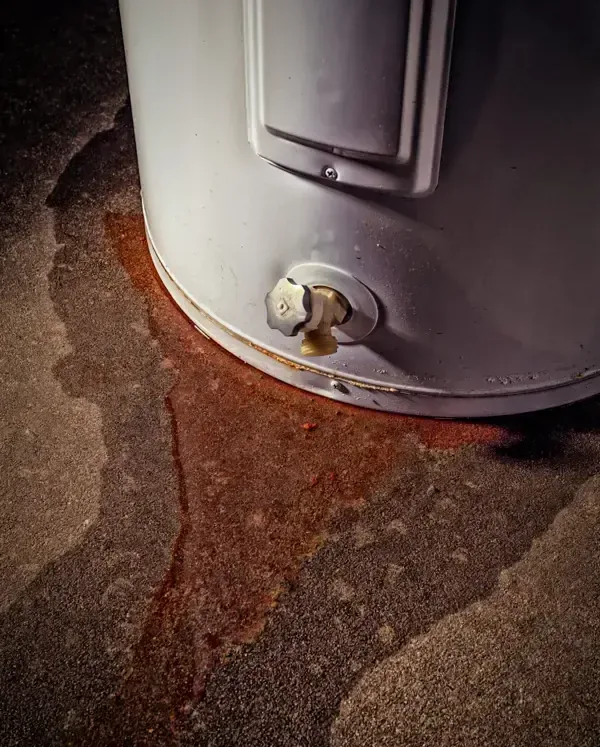
A heater replacement can solve the equipment failure while leaving a wet room behind. The water released around the old tank may already have reached a partition, flowed beneath stored items or crossed into finished flooring. Water heater leak cleanup in Brookline should therefore include the surrounding assembly, with source service and interior recovery treated as connected parts of the same event.
How water heater leak cleanup proceeds
Assess the equipment surroundings
Confirm that safe access and source service are arranged, then map water around the tank. Include neighboring finishes and contents that could conceal part of the release from view.
Remove accessible water
Extract pooling and inspect the floor perimeter as it becomes visible. Photograph wet edges and any materials exposed when the heater is moved by the appropriate service professional.
Open the necessary drying access
Address unsuitable finishes and identify retained floor or wall layers needing drying. Arrange equipment around the usable room rather than assuming tank replacement has resolved all moisture beneath it.
Assess the room after service
Check the restored source and repeat material readings around the original wet perimeter. Document the remaining repair needs before storage, trim or flooring blocks inspection access again.
Look past the puddle beside the tank
Brookline includes urban northern districts and suburban districts and estates to the south. Heater placement varies by the actual property, so an inspection in Buttonwood Village should begin with the room as it exists. A confined utility space, an open lower area and a closet beside finished flooring present different access needs. The scope should identify the wet perimeter before the tank is moved or replaced.
- Check the bases of adjacent partitions where released water can disappear beneath trim.
- Inspect stored contents and shelving feet that may hide water against the room perimeter.
- Follow thresholds into adjoining finished rooms instead of treating the utility doorway as the end of the damage.
In Fisher Hill or Beaconsfield, the useful first details are the tank location, current leakage and any changes in surrounding flooring. No assumption about equipment age or placement is needed. Photographs before replacement help show the original water spread, while the service invoice identifies the failed component and repair undertaken at the source.
Coordinate equipment service with interior access
A plumber or appropriate equipment professional should address the heater and its connections. Interior restoration can then remove accessible water and inspect newly exposed floor areas. The space beneath the old tank may need cleaning and assessment before replacement limits access again. Coordination avoids leaving a damp pocket hidden behind new equipment or stored contents returned too soon.
Floor coverings and wall bases need decisions according to their condition. If water entered a cavity, the visible utility floor may dry before the concealed material does. Structural drying can address retained framing and floor layers after suitable access is established. Damaged finishes may require removal rather than simply increasing airflow around the replacement tank.
- Keep source repair work distinct from removal of damaged floor or wall finishes.
- Record any wet surface exposed when the tank is moved for service.
- Identify access needed for readings before equipment and belongings occupy the space again.
Explain where the heater sits and which nearby surfaces became wet. Include the status of equipment service so the interior assessment can coordinate with source repair access.
(888) 480-6221Discuss the tank area damageLeave hot water and energy controls to safe hands
Do not reach through standing water to operate heater controls or touch wet electrical components. Released water may be hot, and the equipment can involve electrical or fuel hazards. Keep occupants away from the tank area until appropriate professionals assess the source and safe access. Do not attempt to move a heavy tank or disconnect its fittings as a cleanup measure. A safely reachable water shutoff may limit the release, but source service should follow the equipment requirements. Keep children and pets outside the wet utility space.
Separate the replacement milestone from drying completion
The new or repaired heater can be functioning while surrounding building materials remain wet. The final restoration record should show which floor and wall areas were checked, what was removed and whether retained layers are ready for repairs. Keep that record with the equipment service invoice. Together they explain the full loss without treating tank replacement as proof that the room around it has recovered.
For general household precautions, see Ready.gov flood safety and the EPA household leak checks.
What does water heater leak cleanup cost in Brookline, MA?
Water heater cleanup in Brookline is shaped by the spill footprint, adjoining finishes and access around the equipment. These restoration estimates exclude any separately priced tank replacement, plumbing work or rebuilding of damaged surfaces.
Small utility-area loss
$800 to $1,600
- Accessible tank surroundings
- Limited floor wetting
- Nearby edge inspection
Adjacent room spread
$1,600 to $3,000
- Threshold moisture checks
- Affected floor coverings
- Lower partition assessment
Concealed or broad wetting
$3,000 to $4,500+
- Hidden cavity access
- Multiple material layers
- Expanded drying arrangement
These ranges are estimates only. Water category, square footage, material class and the delay before drying affect the scope. The water damage cost calculator compares those variables before a property assessment.
What shapes the water heater leak cleanup plan
Surrounding finishes included
The assessment should reach beyond the tank footprint into thresholds, wall bases and stored contents. That perimeter determines the restoration scope after the equipment professional has addressed the source itself.
Equipment access coordinated
Moving or replacing the heater can expose floor areas that were previously hidden. Coordinate inspection at that point so damp surfaces are not covered again before they can be evaluated.
Source charges separated
The proposal should distinguish heater service from extraction and building material work. Clear divisions make it easier to understand which task stops the release and which restores the affected interior.
Retained layers measured
Flooring and partitions can hold moisture after the utility surface looks dry. The recovery record should include those layers and any access that must remain open for continued drying or repair.
Water heater leak cleanup coverage in Brookline
Heater spill assessments include Buttonwood Village, Fisher Hill and Beaconsfield properties. Describe the tank location and any nearby wet room so access planning includes the floor edges and partitions reached by the release.
The same service nearby: water heater leak cleanup in Roslindale, Allston, Hyde Park.
Related water damage services in Brookline
Water Extraction and Removal
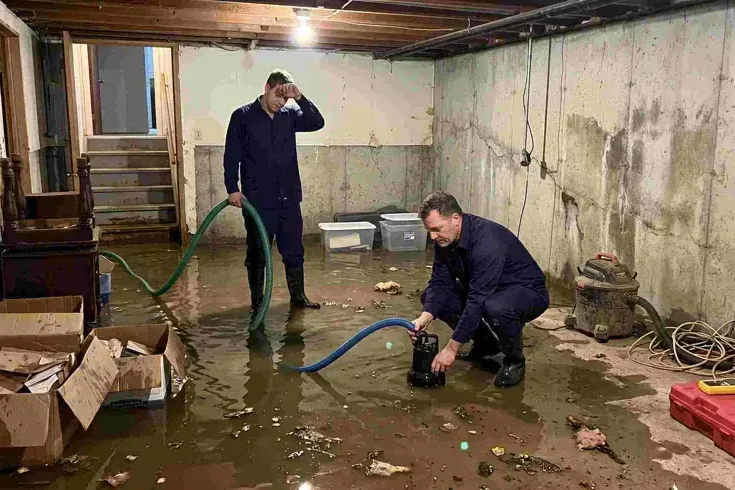
Pumps remove pooled water while extraction tools reach carpet, floor joints and low spots.
Service details ›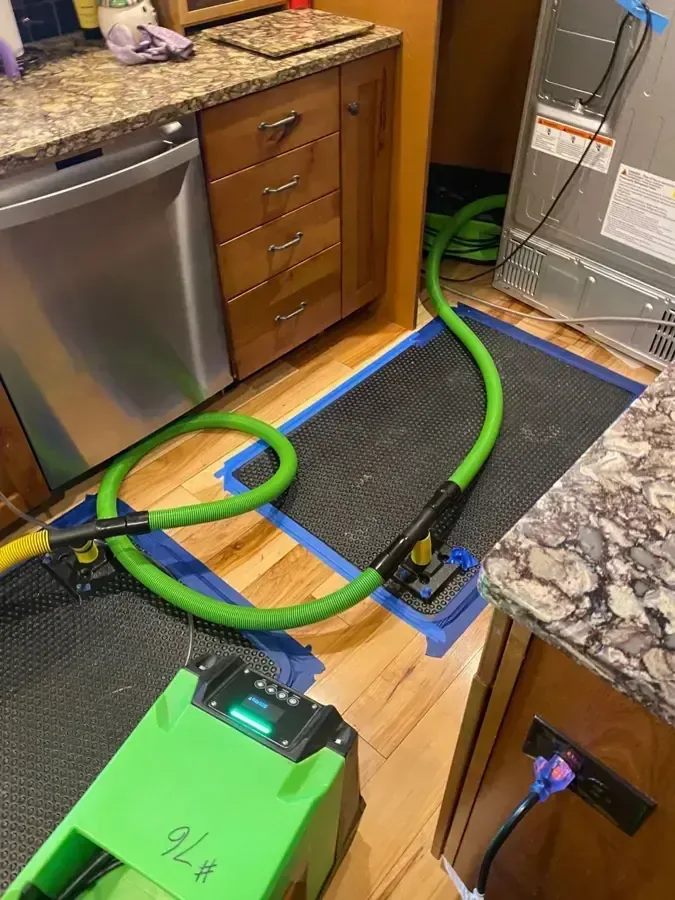
Appliance Leak Water Damage
Cabinet voids and flooring seams hold water long after an appliance stops leaking.
Service details ›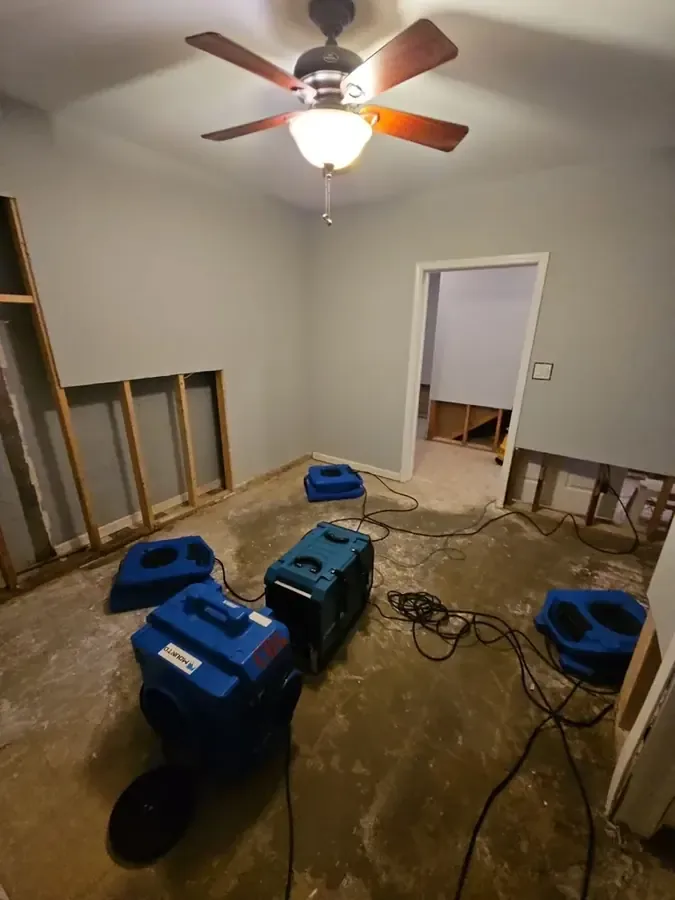
Structural Drying
Material readings determine equipment placement and the end of the drying phase.
Service details ›Water Heater Leak Cleanup questions
Does replacing the heater finish the water damage work?
Replacement addresses the equipment problem, while the surrounding building materials may still need drying or removal. Flooring, wall bases and contents should be assessed separately. A useful completion record includes both the source service and the condition of the room so a working heater is not mistaken for a fully recovered interior.
Can water stay hidden beneath the new tank?
A heater footprint and nearby stored items can obstruct inspection of the floor. When equipment is moved for service, the exposed area should be evaluated before access is restricted again. Coordination between source repair and restoration helps identify damp surfaces that otherwise remain concealed beneath or behind the replacement equipment.
What should be included if water reached a doorway?
The inspection should continue across the threshold into adjoining floor layers and wall edges. A utility room boundary does not stop water beneath a covering. Record any swelling, loose trim or damp backing in the next space so the cleanup scope follows the spread rather than ending at the doorway beside the tank.
Is water around a heater safe to walk through?
Avoid entering the wet area until electrical, fuel and hot water hazards have been assessed. Do not touch wet controls or move the tank to reach pooled water. Safe access and appropriate source service come first, followed by removal equipment and a plan for the building surfaces affected around the appliance.
Should wet belongings be returned after the floor is wiped?
A wiped surface may still conceal moisture at edges or under coverings. Belongings should remain clear of the wet perimeter until the materials and access needs are assessed. Items that absorbed water may also need separate handling. Returning storage too soon can hide damage and prevent readings around the original spill area.
What documents connect the source and cleanup work?
Keep the heater service invoice describing the failed component, along with photographs before and after equipment movement. Add the restoration moisture map, removal record and drying findings. This combination shows why interior work was needed even when the source repair or tank replacement was completed as a separate task.
Can a wall beside the heater be damaged without a stain?
Water can enter beneath trim or through an opening at the base before a visible stain develops above it. The adjacent partition should be checked when it lies along the spill path. Readings and material condition help determine whether access or removal is needed instead of relying only on the painted surface.
Finish the room recovery
Floor and wall checks establish what remains after the heater is repaired, including concealed materials that need attention before storage and finishes return.
(888) 480-6221Plan cleanup around the heater