Water Heater Leak Cleanup Hyde Park, MA
A leaking tank can wet storage and nearby rooms before the utility area is checked. Hyde Park heater cleanup follows water beyond the equipment base and coordinates material drying with safe control of the appliance.
(888) 480-6221Assess the heater water spread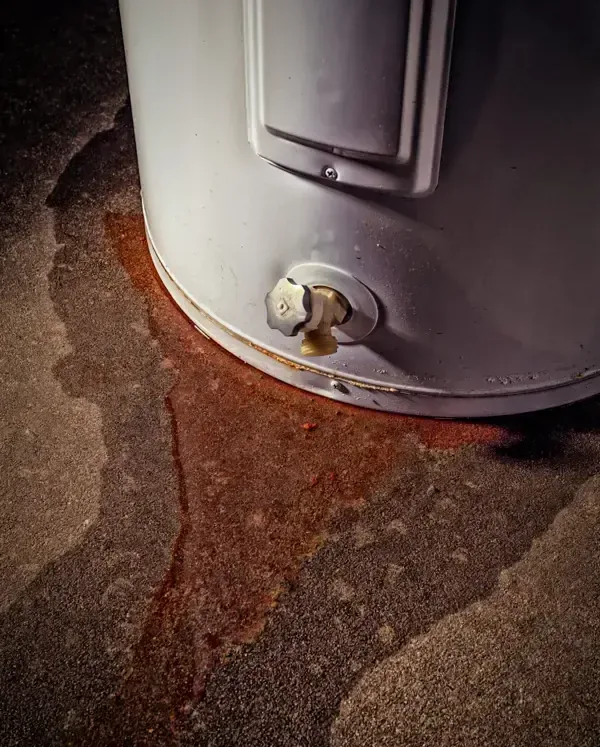
A utility room can hide a water heater leak behind boxes, shelving or the tank itself. By the time water appears in a hallway, the nearby wall base and floor layers may already be wet. Heater leak cleanup in Hyde Park examines that less visible spread. The appliance or plumbing fault requires appropriate repair, while restoration handles the water released into the building and the belongings standing in its path.
How water heater leak cleanup proceeds
Assess the equipment surroundings
The assessment identifies the reported source, safe approach and receiving rooms. Appliance service responsibilities are established before cleanup around powered equipment or a continuing release of hot water.
Remove water and clear access
Extraction addresses accessible liquid while wet storage is documented and assessed. Safe movement of belongings opens the floor edges and wall bases needed to understand the full spread beyond the equipment footprint.
Dry retained room materials
The treatment plan focuses on damp partitions, floor layers and nearby finishes once source control is established. Measurements show whether concealed pockets need additional access or changes to equipment placement during the drying period.
Assess the utility area recovery
Final checks document retained material conditions and separate completed restoration from heater repair or finish replacement. The owner can then coordinate the remaining work with a clear description of the affected room and adjoining spaces.
Look beyond the puddle around the tank
The assessment follows the floor slope, doorway transitions and nearby penetrations. A small visible pool may feed a larger wet area beneath an adjoining finish. Storage can conceal that route and complicate equipment placement. Photographs should capture the initial condition before cartons or shelving are moved, making it easier to explain which items were exposed and why the cleanup boundary extends beyond the utility equipment.
- Inspect low stored items and shelf supports for water contact before relocating them into a clean space.
- Check partition bottoms beside the heater where absorbent materials can remain damp after the floor is wiped.
- Trace water through the utility doorway into adjacent flooring, especially where a covering hides the underlying surface.
Readville is a section of the neighborhood, and the Readville Post Office is in Wolcott Square. At an affected property in that area, the useful description is the heater's position within the building and the rooms receiving water. A familiar location helps arrange access; the interior layout establishes the work.
Separate equipment service from building restoration
A suitable professional needs to assess the heater and its energy supply, valves and connections. Occupants should not improvise equipment repairs while standing in released water. Once the source is safely controlled, extraction can reduce the moisture load. Flooring, cabinet bases and wall materials are then evaluated for drying access, physical damage and any removal needed to reach concealed wet layers.
River Street is one of the neighborhood's main streets. A house along that corridor may have an open utility space or a finished room beside the equipment. The restoration scope should describe the actual construction and exposure rather than assuming the tank sits on an easily dried bare floor. Basement water removal may also be relevant when the release has spread throughout a lower level.
- Identify the appliance repair responsibility and the condition required before drying equipment can operate nearby.
- Keep contents handling separate from the tasks needed to restore wall and floor materials.
- Record moisture beneath adjacent finishes before selecting the boundary of removal or retention.
Water around a tank can extend into storage and finished rooms. Describe the appliance location and the furthest visible wet area before the utility space is disturbed.
(888) 480-6221Assess the utility room lossRespect heat, power and restricted access
Water around a heater can involve hot surfaces, hot water and powered equipment. Occupants should stay clear of unsafe access and leave appliance or energy supply work to the appropriate trade. Boston Water and Sewer Commission warns against touching wires or appliances with wet hands or feet. A valve should not be approached through a hazardous puddle simply because it appears close to the tank. Children and pets should remain outside the utility area. Safe source control, a dry working route and an assessment of nearby electrical components come before cleanup equipment is positioned.
Finish with the surrounding room, not just the tank
Replacing a failed heater does not dry the partition behind it. The final restoration check should cover the materials around the appliance footprint and any adjoining room reached by water. Readings and photographs establish what was treated, while the handoff identifies damaged finishes and contents still requiring attention. That broader assessment helps the owner move from equipment replacement to a usable, properly dried utility space.
For general household precautions, see Ready.gov flood safety and the EPA household leak checks.
What does water heater leak cleanup cost in Hyde Park, MA?
Water heater leak cleanup costs in Hyde Park depend on utility room access, adjoining floor exposure and concealed wetting. Estimated restoration ranges below exclude any appliance replacement unless the written scope specifically states otherwise.
Small utility-area loss
$800 to $1,600
- Accessible tank surroundings
- Limited floor exposure
- Focused moisture checks
Adjacent room spread
$1,600 to $3,000
- Connected flooring damage
- Wet partition assessment
- Expanded equipment area
Concealed or broad wetting
$3,000 to $4,500+
- Hidden floor layers
- Restricted material access
- Broader room drying
These ranges are estimates only. Water category, square footage, material class and the delay before drying affect the scope. The water damage cost calculator compares those variables before a property assessment.
What shapes the water heater leak cleanup plan
Attention to hidden storage edges
Storage can conceal the earliest water path. Inspection records exposed belongings and checks behind them, extending the cleanup boundary beyond the visible tank surroundings.
Coordination with appliance repair
Heater service and restoration need a practical sequence. The plan identifies who controls the equipment and when released water can be removed safely without interfering with the work on valves, connections or energy supply.
Inspection of adjacent finishes
Wall bases and nearby flooring may hold moisture beyond the utility room. Material checks define those areas and explain why selective access or a broader drying arrangement may be needed after the tank is repaired.
A complete room handoff
The closing record distinguishes a functioning replacement appliance from a restored interior. It identifies remaining floor or partition repairs and any contents decisions so the owner can see what remains after the drying work finishes.
Water heater leak cleanup coverage in Hyde Park
Heater leak cleanup is available across Hyde Park, including Readville, River Street and Wolcott Square in 02136. Utility room access and the direction of water spread determine the interior assessment and drying priorities.
The same service nearby: water heater leak cleanup in Roslindale, Brookline, Norwood.
Related water damage services in Hyde Park
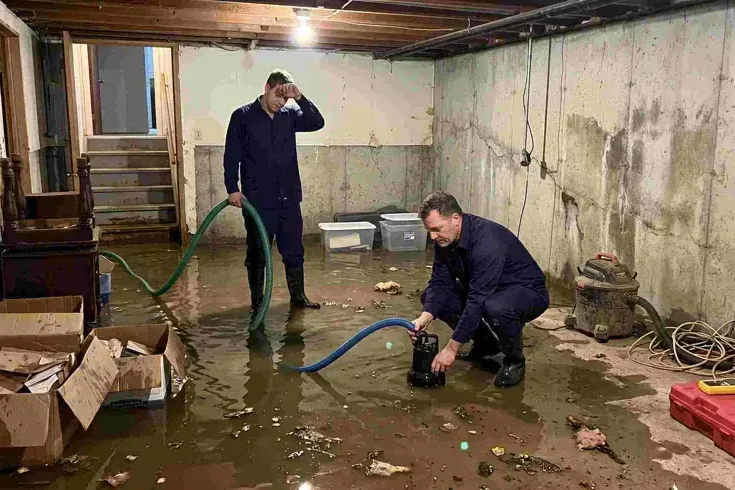
Water Extraction and Removal
Pumps remove pooled water while extraction tools reach carpet, floor joints and low spots.
Service details ›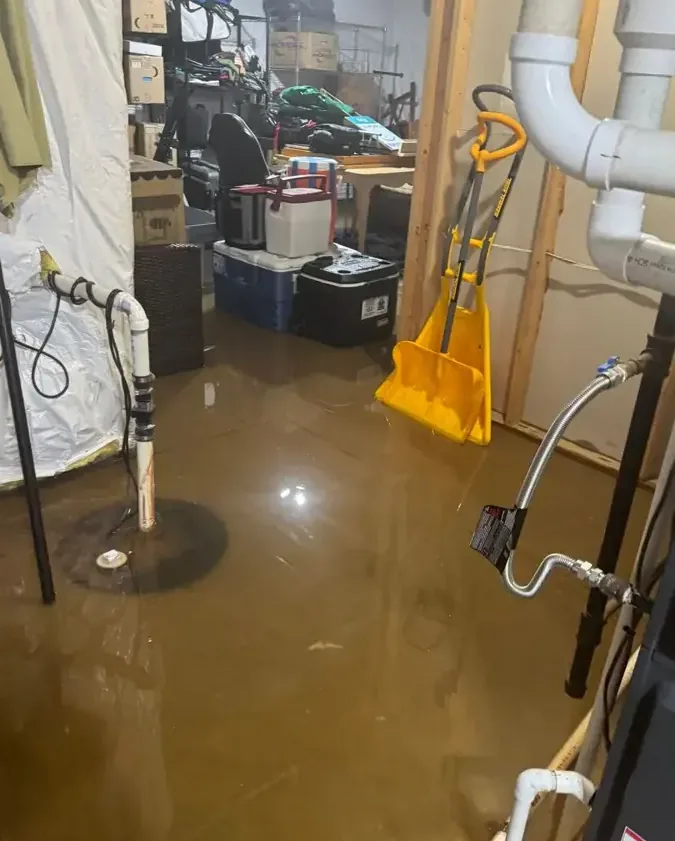
Basement Water Removal
Below-grade extraction starts with electrical clearance and the actual water entry route.
Service details ›
Structural Drying
Material readings determine equipment placement and the end of the drying phase.
Service details ›Water Heater Leak Cleanup questions
What if the puddle appears only when hot water is used?
The pattern is useful information for the professional assessing the appliance and connected plumbing. It should be recorded alongside the visible leak location and affected rooms. Restoration still needs to inspect materials already exposed to water, while the appropriate trade determines the equipment fault and establishes safe source control before lasting drying can proceed.
Can replacing the heater finish the cleanup?
Replacement corrects the equipment problem when the tank itself has failed, but water may remain beneath nearby flooring or inside wall bases. Those materials require separate assessment. A complete recovery plan therefore distinguishes appliance service from extraction, contents handling and drying of the room that received the released water before the new equipment was installed.
Should wet storage cartons be left in place?
Their condition should be documented, and safe handling should separate exposed belongings from dry storage. Cartons can hide wet flooring and retain moisture against the wall or shelf below them. The assessment determines which contents need attention and how to clear access without carrying water or damaged packaging into unaffected parts of the property.
Why inspect the room on the other side of the wall?
Water can pass under a partition or through floor level openings even when the utility room holds most of the visible liquid. Absorbent wall materials may also wick moisture upward. Checking the adjoining room helps establish the true restoration boundary and identifies finishes that need drying or selective access beyond the heater's immediate surroundings.
Can occupants operate a shutoff next to a wet heater?
Only safe access should be considered, and equipment or energy supply concerns belong with the appropriate professional. Standing water, hot surfaces and nearby electrical components can make a close valve unsafe to reach. Occupants should stay clear of those hazards rather than approaching the appliance through water to attempt repairs or operate unfamiliar controls.
Does a bare utility floor need drying checks?
The visible floor may be easy to extract, but adjacent materials and joints can still hold moisture. Nearby partitions, stored wood products and adjoining coverings need assessment according to their exposure. The drying scope should follow those retained materials instead of assuming that a bare surface means the entire utility area becomes ready once the puddle disappears.
What belongs in the final restoration record?
The record should identify affected spaces, removed or treated materials and the results of drying checks. Appliance repair or replacement should be clearly distinguished from the building work. Photographs of concealed edges before closure and notes about outstanding finish repairs help the owner coordinate the remaining tasks without confusing a repaired heater with a fully recovered interior.
Dry the room surrounding the repair
Material checks clarify the recovery work that remains after the heater or its connections have been corrected.
(888) 480-6221Discuss tank water cleanup