Water Heater Leak Cleanup Norwood, MA
Water at a heater base can run beneath shelving and partitions before the leak is noticed. Cleanup checks the whole utility area and connected rooms while an appropriate technician addresses the equipment fault.
(888) 480-6221Discuss water around the heater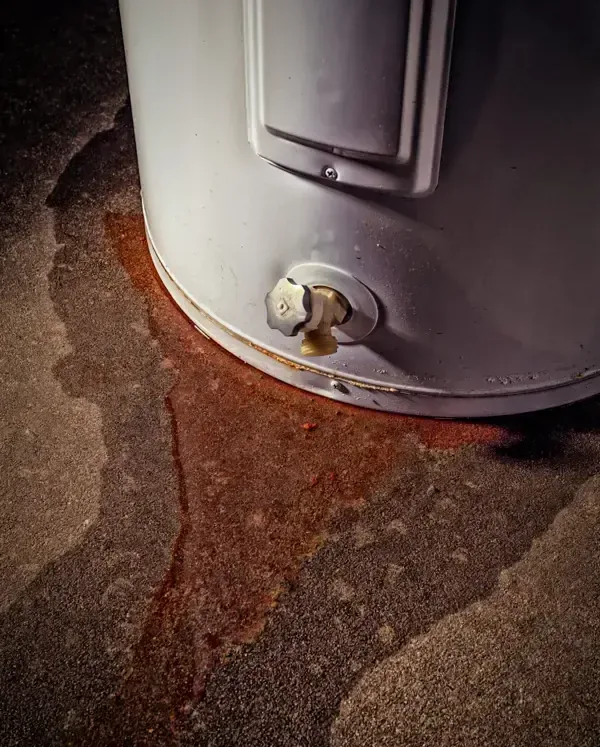
A utility area can hide a heater leak behind boxes, shelving and the tank itself. The first visible puddle may be at the doorway rather than beside the equipment. Water heater leak cleanup in Norwood focuses on that surrounding interior: where the released water collected, which materials absorbed it and how safely the area can be reached. Equipment diagnosis and repair belong in a coordinated but separate part of the response.
How water heater leak cleanup proceeds
Assess source and safe approach
The tank location, visible release and equipment hazards are reviewed before entry. The cleanup scope is coordinated with the professional addressing the heater so source work and interior access support each other.
Clear water and inspect storage
Accessible liquid is removed and wet contents are assessed for handling. The surfaces revealed behind storage receive inspection, including wall bases and doorways where the release may have continued into another space.
Treat affected interior materials
Unsuitable wet finishes are identified for removal and retained components are prepared for drying. The work follows the surrounding room materials rather than assuming the tank base defines the full exposure area.
Document the dry utility area
Moisture changes are tracked at relevant surfaces as equipment operates. Completion information identifies the interior work performed and the remaining repairs or storage decisions needed before the utility space is reorganized.
Inspect the places storage can conceal
At a property near Windsor Gardens, a damp carton outside the utility room could reveal spread from a leak farther inside. Contents should be assessed before they are moved indiscriminately into a clean space. Cardboard and fabric can retain water against walls or floors, concealing the condition underneath. Once safe access is available, the assessment follows the release around the base of storage and through doorways.
- Check the floor behind reachable storage and beside partitions where a narrow water path may have escaped the initial view.
- Separate belongings that absorbed water from dry items, documenting their condition before cleaning or disposal decisions change the inventory.
- Inspect adjacent wall bases and flooring layers when the utility area connects directly to a finished room or storage enclosure.
A drain nearby does not ensure the entire release reached it. Floor slope and obstructions can leave pockets behind the tank or against a wall. Extraction addresses the accessible liquid, then moisture checks identify the materials that still need drying. The scope should explain those remaining locations so the absence of a puddle is not mistaken for completion.
Coordinate equipment work with room recovery
A heater technician may need clear access for diagnosis or replacement, while the cleanup needs access to wet surfaces around the same unit. Planning the sequence avoids placing new equipment over an untreated wet area where access is required. In a Washington Street building, the utility room layout and entrance width can affect contents movement and the order of the interior work.
Wet wallboard, underlay or storage platforms require decisions based on condition and accessibility. Material that remains should have a viable drying path. When a release reached a lower finished room, basement cleanup may also apply. The service scope follows the actual building exposure rather than stopping at the outline of the tank or its replacement footprint.
- Clarify which tasks belong to heater repair and which address the water already in the room.
- Keep a route available for safe equipment movement without blocking access to wet surfaces.
- Record concealed damage revealed when storage or damaged finishes are removed from the utility area.
Explain where the tank sits and which nearby surfaces became wet. Include any storage or access restrictions that could affect the utility area inspection.
(888) 480-6221Review the heater spillTreat the heater area as an equipment hazard
Water around a heater can involve hot surfaces, hot water and electrical or fuel equipment. Occupants should not touch wet controls or attempt improvised repairs. Shutoffs should be used only when their purpose is known and they are safely accessible. Standing water between the entrance and the equipment is a reason to stay outside the area until it is assessed. Heavy tanks and wet shelving should not be moved casually. Cleanup access, equipment isolation and source repair need coordination so removing water does not place anyone in contact with an unsafe appliance or utility connection.
Leave the utility space ready for its next use
Near the Day House, a utility room recovery should conclude with a clear description of treated surfaces and remaining moisture or repairs. Dry contents can then return according to the work plan, while damaged shelving or finishes receive separate attention. The material drying service explains why measurements remain useful after the tank issue has been corrected and visible floor water is gone.
For general household precautions, see Ready.gov flood safety and the EPA household leak checks.
What does water heater leak cleanup cost in Norwood, MA?
Norwood water heater cleanup estimates reflect the surrounding wet area, storage handling and concealed spread. Tank diagnosis or replacement is a separate scope that should be distinguished from interior removal and drying.
Small utility-area loss
$800 to $1,600
- Accessible floor water
- Limited storage handling
- Focused surface treatment
Adjacent room spread
$1,600 to $3,000
- Connected doorway exposure
- Wet finish assessment
- Broader equipment coverage
Concealed or broad wetting
$3,000 to $4,500+
- Hidden material access
- Expanded contents movement
- Multiple drying locations
These ranges are estimates only. Water category, square footage, material class and the delay before drying affect the scope. The water damage cost calculator compares those variables before a property assessment.
What shapes the water heater leak cleanup plan
The entire utility footprint
The assessment follows water beneath reachable storage and through nearby doorways. This helps establish whether the release remained around the heater or affected materials in adjoining rooms before it was discovered.
Contents handled in sequence
Wet boxes and other absorbent belongings can conceal damage and obstruct treatment. Their condition is recorded, then handling creates access to the surfaces that need extraction, inspection and subsequent drying.
Equipment work coordinated
Heater repair or replacement may share the same limited working area with cleanup. A planned sequence keeps access clear and helps prevent new equipment from concealing surfaces that still require attention.
A practical room handoff
The owner receives an explanation of removed finishes, retained materials and any remaining repair work. That record separates the corrected heater fault from the condition of the surrounding utility space after treatment.
Water heater leak cleanup coverage in Norwood
Water heater leak assessment covers 02062 properties near Windsor Gardens, Washington Street and the Day House. Access details should include the tank location, adjoining rooms and any standing water blocking the utility area entrance.
The same service nearby: water heater leak cleanup in Roslindale, Hyde Park, Brookline.
Related water damage services in Norwood
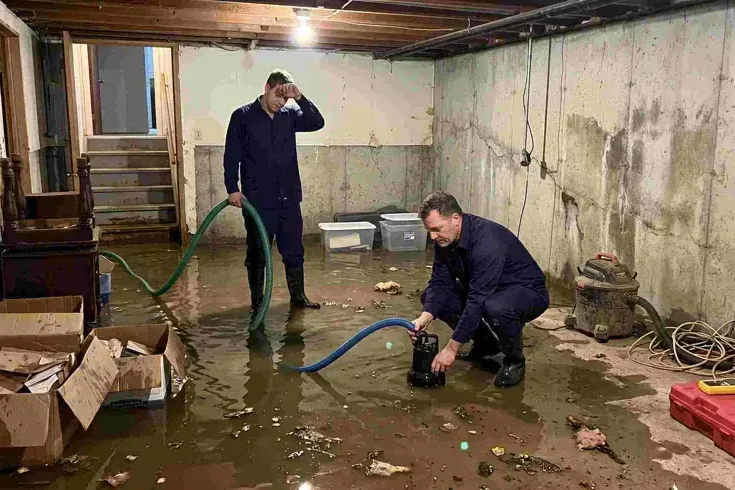
Water Extraction and Removal
Pumps remove pooled water while extraction tools reach carpet, floor joints and low spots.
Service details ›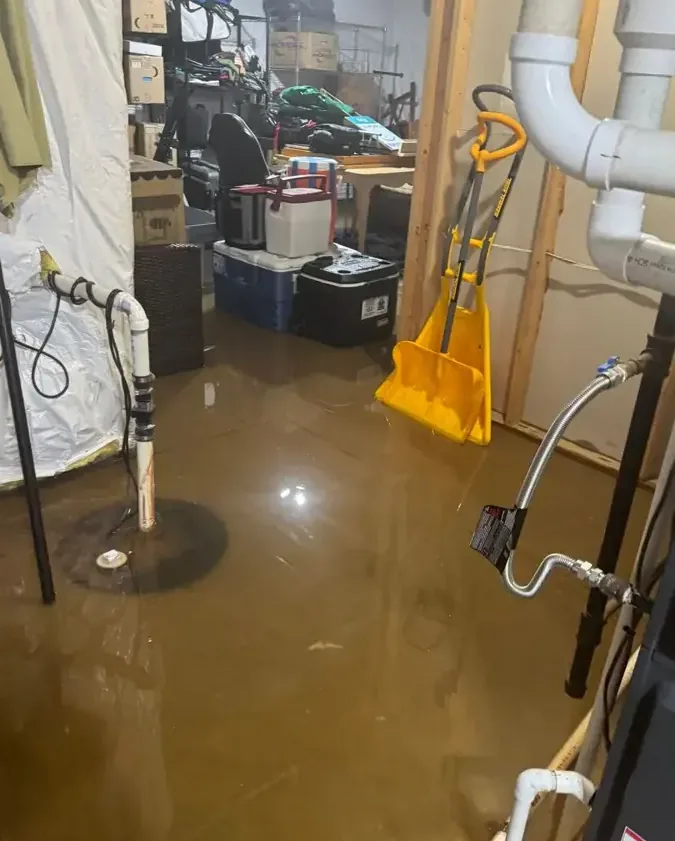
Basement Water Removal
Below-grade extraction starts with electrical clearance and the actual water entry route.
Service details ›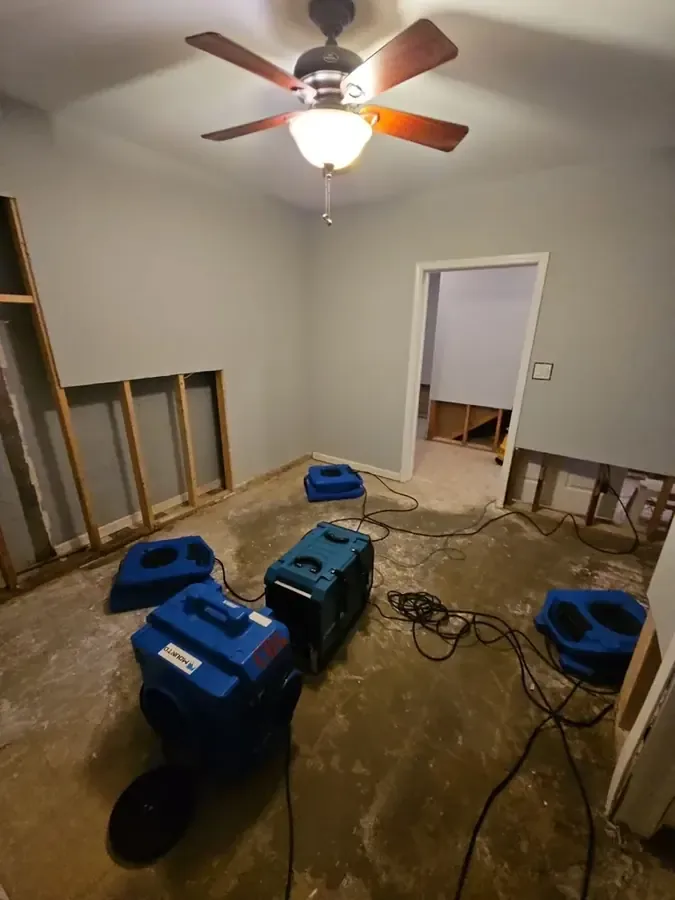
Structural Drying
Material readings determine equipment placement and the end of the drying phase.
Service details ›Water Heater Leak Cleanup questions
Can a small heater puddle conceal wider damage?
Yes. Water can follow floor slopes, pass beneath storage and enter an adjoining room before it becomes obvious beside the tank. The inspection should include reachable edges and nearby wall bases. A small visible collection describes only what can be seen at that moment, while material checks help establish the wider area that needs cleanup or drying.
Is the heater itself repaired during cleanup?
Heater diagnosis, repair or replacement should be assigned to the appropriate equipment professional. Interior restoration addresses the water and materials around the unit. The scopes need coordination because both tasks may require the same limited space. An owner should know which work is included and how access will be maintained while the equipment issue is resolved.
Should boxes near the heater be moved immediately?
Moving belongings is useful only when access is safe and their handling is appropriate. Wet cardboard can tear, conceal standing water and carry moisture into a clean room. The contents plan should document affected items and separate them from dry storage. Once safely moved, the surfaces underneath can be inspected rather than assumed to have escaped the release.
Does the floor drain eliminate the drying need?
A drain may collect some water but cannot remove moisture absorbed by wallboard, wood or flooring layers. Obstructions and floor slope can also leave pockets elsewhere in the room. The cleanup assessment therefore checks the surrounding materials after accessible liquid is gone. Drying requirements follow those findings instead of the presence of a drain alone.
Can the replacement tank go in before drying ends?
That depends on the access needed and the condition of the installation area. Equipment work and restoration should be scheduled together so necessary surfaces remain reachable. A replacement should not conceal a wet layer that still needs treatment. The owner can ask both scopes to identify the sequence and any temporary access restrictions around the utility area.
Why inspect outside the utility room doorway?
The threshold may have allowed water into a finished space while the utility area retained little visible liquid. Carpet edges, trim and adjoining wall bases can then hold moisture. Checking those transitions helps determine whether additional removal or drying is needed. The inspection follows the actual water path rather than treating the utility room door as a sealed boundary.
What should be documented after cleanup?
Useful records include the affected storage and surfaces, materials removed and moisture findings for retained components. The paperwork should clearly separate the heater repair from interior restoration. Any remaining shelving, floor or wall repairs should also be identified. That gives the owner a practical starting point for returning belongings and restoring normal use of the utility space.
Recover the space around the equipment
Arrange an interior cleanup assessment that follows escaped water beyond the tank and into connected room materials.
(888) 480-6221Discuss utility room recovery