Basement Water Removal Hyde Park, MA
A wet basement can include utility equipment, stored belongings and finished living space in the same loss. Hyde Park basement cleanup separates those exposures and follows water behind lower walls after safe removal begins.
(888) 480-6221Assess the lower level water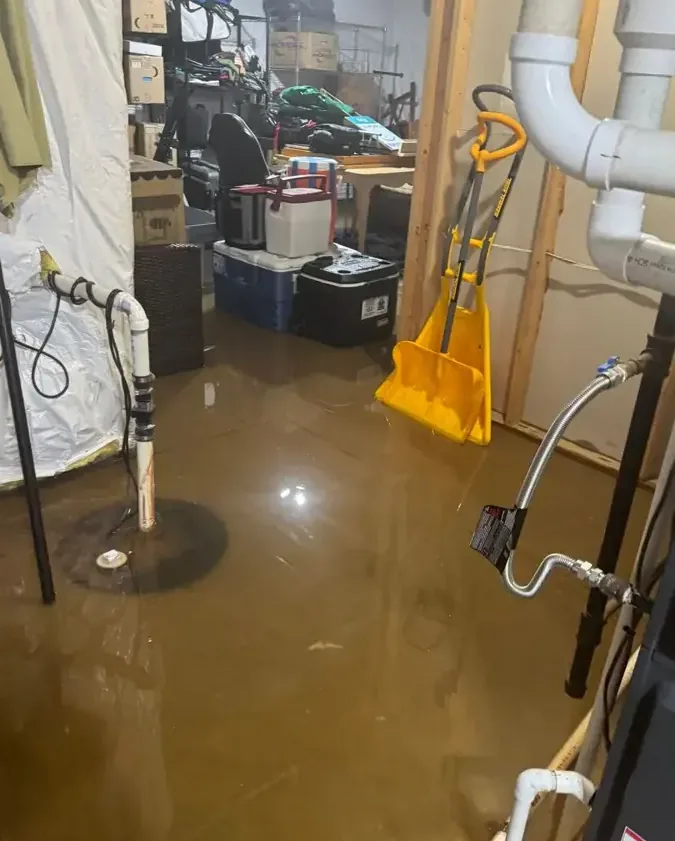
The lowest room often becomes the place where a water path ends. That does not identify where the loss began. A supply leak, outside entry or drain backup can each leave standing water in a basement, with different cleanup requirements. Basement water removal in Hyde Park begins by assessing the source and safe entry. The scope then follows exposure across utility equipment, stored belongings and finished room materials rather than stopping at the visible open floor.
How basement water removal proceeds
Assess the source and entry
Water origins, stair access and utility concerns determine pumping arrangements and any restrictions needed before entry into wet basement rooms.
Remove water and assess storage
Accessible liquid is extracted while exposed belongings are documented and separated. Equipment and material routes account for the building's actual access, with attention to wet corners and areas hidden beneath or behind stored items.
Treat walls and floor layers
Cleaning and selective removal expose materials that need drying. The equipment arrangement follows the moisture map across finished partitions, framing and adjoining surfaces, with progress readings identifying any concealed pocket requiring another access decision.
Assess readiness for lower room repairs
Final checks document the retained assembly and source status. The handoff distinguishes completed drying from replacement finishes and contents treatment so the owner can coordinate the remaining basement recovery without covering unresolved moisture inside the walls.
Separate the basement into its actual uses
A lower level can contain an unfinished utility corner beside a finished room and a crowded storage area. Water can connect those spaces beneath doors or along wall bases. The assessment should map each area's materials and contents before extraction changes the scene. A bare floor may be straightforward to clear, while the adjacent finished partition conceals wet insulation or framing that requires additional access.
- Photograph exposed storage and the visible water boundary from a safe dry position before items are moved.
- Check the base of finished partitions and closet interiors where retained moisture can stay out of view.
- Identify electrical equipment or unstable finishes that affect access from the stairs into the wet room.
Mother Brook is a waterway in Readville, and the Neponset River runs through the neighborhood. At an affected basement, the actual entry route and water condition establish the treatment. The inspection should describe whether water came through an opening, escaped from plumbing or emerged from a fixture so the source correction and cleaning work address the right problem.
Follow removal with material specific decisions
Once safe removal is possible, pumping and extraction reduce the accumulated liquid. The next step is to evaluate what the water contacted. Porous finishes may need removal, while suitable retained surfaces require cleaning and drying. Stored cartons, wood furniture and shelving bases can hold moisture against the floor even after the center of the room looks clear. Those items need assessment rather than immediate return to their original position.
River Street is a main street in Hyde Park. A basement near that corridor may have limited equipment access or a finished room below the main living area. The plan should describe the actual route for hoses, removed materials and contents handling. Sump failure cleanup can address the separate pumping problem when the inspection identifies an overflowing pit.
- Record the condition of removed finishes so the repair estimate can describe the original lower room assembly.
- Inspect behind retained wall coverings where moisture measurements suggest a concealed wet cavity.
- Keep source repairs visible in the scope rather than assuming pumping alone prevents another accumulation.
A basement loss needs a clear source assessment and safe access. Describe the water depth, affected finished rooms and any utility equipment within the wet area.
(888) 480-6221Assess basement water conditionsKeep flooded utility areas off limits
Occupants should not descend into standing water to check a panel, heater or plugged in appliance. Boston Water and Sewer Commission warns against touching appliances or wires with wet hands or feet. The stair approach and lower room need safe conditions before entry, and wastewater requires additional access controls. Children and pets should remain away from the basement door or open work area. A professional assessment can establish the appropriate removal method and utility precautions. Retrieving belongings should wait when doing so would require crossing water, unstable materials or an area with unresolved electrical concerns.
Restore a usable lower room in stages
Drying follows the materials left after removal and cleaning. Readings at wall bases, framing and floor layers support decisions about equipment changes and repair readiness. Contents can require a different recovery path from the building itself. The final record should show completed treatment and remaining tasks, including the source correction, replacement finishes and any stored item decisions needed before the basement returns to normal use.
For general household precautions, see Ready.gov flood safety and the EPA household leak checks.
What does basement water removal cost in Hyde Park, MA?
Basement water removal in Hyde Park depends on depth, access and finished material exposure. These estimated ranges describe restoration work, with source correction and replacement room finishes identified separately in the written assessment.
Limited accessible water
$1,500 to $3,000
- Open lower floor
- Simple equipment route
- Localized moisture checks
Finished lower-level damage
$3,000 to $5,500
- Wet partition assessment
- Floor covering exposure
- Expanded drying access
Deep or extensive spread
$5,500 to $8,000+
- Broader pumping needs
- Complex storage handling
- Multiple affected spaces
These ranges are estimates only. Water category, square footage, material class and the delay before drying affect the scope. The water damage cost calculator compares those variables before a property assessment.
What shapes the basement water removal plan
A complete lower level map
Utility corners, finished rooms and storage areas receive separate assessment. The removal scope follows their materials, including hidden wall exposure beyond the visible basement puddle.
Safe access before recovery
Stairs, electrical equipment and water conditions determine how the room can be entered. The plan explains restrictions and equipment routes before occupants or restoration personnel handle stored items and materials inside the affected lower level.
Contents and building separation
Stored belongings need their own exposure record and handling decisions. Keeping those tasks separate from wall and floor treatment helps the owner understand what can return, what requires additional attention and what remains outside completed structural restoration.
Checks behind finished surfaces
A cleared basement floor can leave moisture in wall cavities and adjacent coverings. Material readings identify those areas and support access or drying decisions before replacement finishes make the lower room appear complete again after the water loss.
Basement water removal coverage in Hyde Park
Basement cleanup covers Hyde Park properties near Readville, Mother Brook and River Street in 02136. The water source, entry safety and mix of finished rooms or utility spaces establish the removal and drying scope.
The same service nearby: basement water removal in Roslindale, Brookline, Norwood.
Related water damage services in Hyde Park
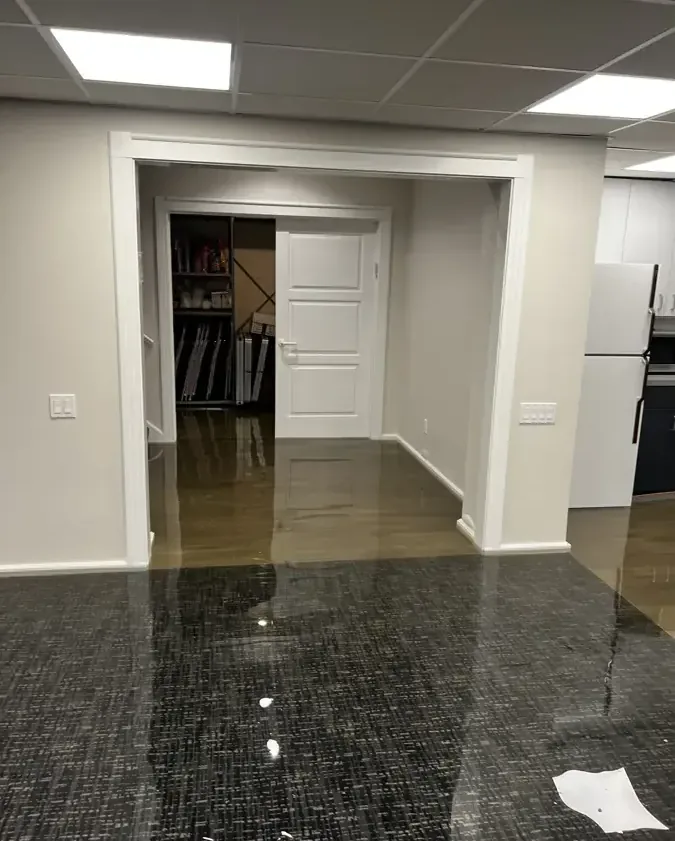
Sump Pump Failure Cleanup
Pump recovery and floor drying address separate parts of a rising-water problem.
Service details ›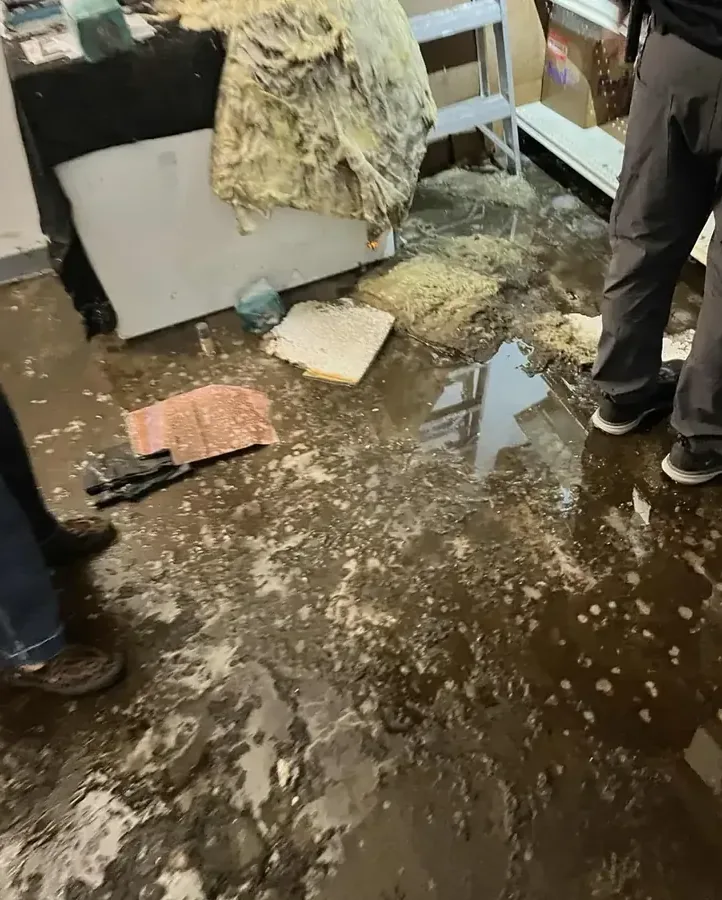
Sewage Backup Cleanup
Containment separates contaminated rooms while crews remove sewage-soaked porous finishes.
Service details ›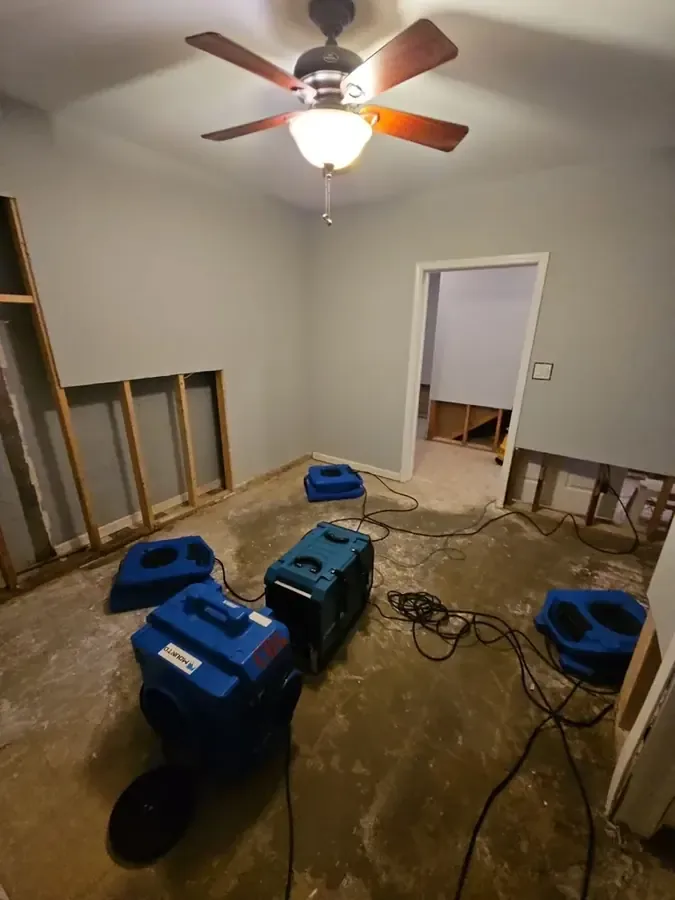
Structural Drying
Material readings determine equipment placement and the end of the drying phase.
Service details ›Basement Water Removal questions
Does basement water always come through the foundation?
No. Plumbing releases, drain backups and other entry routes can also leave water at the lowest level. The source needs investigation before correction is selected. The cleanup plan should describe the observed route and contamination conditions, allowing pumping, material removal and drying to address the actual loss rather than an assumption based on the room's location.
Is it safe to reach the electrical panel downstairs?
Occupants should not enter standing water to reach electrical equipment. The stair approach and lower room both need a safety assessment before entry. Appropriate professional assistance is needed when water may contact powered components, with safe entry and utility conditions established before anyone approaches the panel, heater or appliances in the affected basement area.
Why are finished basement walls checked after pumping?
The lower edges of partitions can absorb water and conceal wet insulation or framing behind the visible finish. Pumping clears accumulated liquid but does not measure those materials. Checking wall bases and adjoining cavities establishes the drying scope and helps determine whether selective openings or removal are needed before the lower room can receive replacement finishes.
Can stored belongings go back as soon as the floor clears?
Items should return only when their condition and the surrounding restoration work allow it. Wet packaging or furniture can hold moisture against a treated surface, while early restocking can block access for drying checks. Contents assessment and the building's material condition need to be considered together before storage is restored to the affected part of the basement.
How does sewage change the basement cleanup?
Wastewater requires restricted access, contamination assessment and appropriate removal or cleaning decisions before drying. The drain problem also needs resolution so the room is not recontaminated. The scope should identify contacted materials and contents, with controlled handling that keeps residue from being carried through the stairs or into unaffected living spaces above the lower level.
Does a sump pump repair replace the need for restoration?
A functioning pump addresses ongoing water management at the pit, while restoration treats water already outside it. Finished walls, coverings and stored items can remain wet after the pumping system is corrected. The assessment should therefore connect source or pump repair with extraction and material drying rather than treating restored pumping as completion of the interior recovery.
What shows that a finished basement is ready to rebuild?
The source should be controlled, necessary cleaning completed and retained materials checked against appropriate drying goals. Photographs and readings document that condition before access openings are closed. The handoff should also identify unresolved source repairs or contents decisions so replacement walls and flooring do not conceal an incomplete part of the basement restoration work after the loss.
Recover more than the open floor
Material checks and contents decisions complete the picture after pumping, helping establish what the lower level needs before normal use resumes.
(888) 480-6221Discuss lower room cleanup