Storm and Flood Cleanup Norwood, MA
Rainwater that crosses the building boundary can leave sediment and hidden moisture behind. Flood cleanup considers the entry route, the materials exposed and the conditions needed to make interior recovery possible.
(888) 480-6221Explain the storm water entry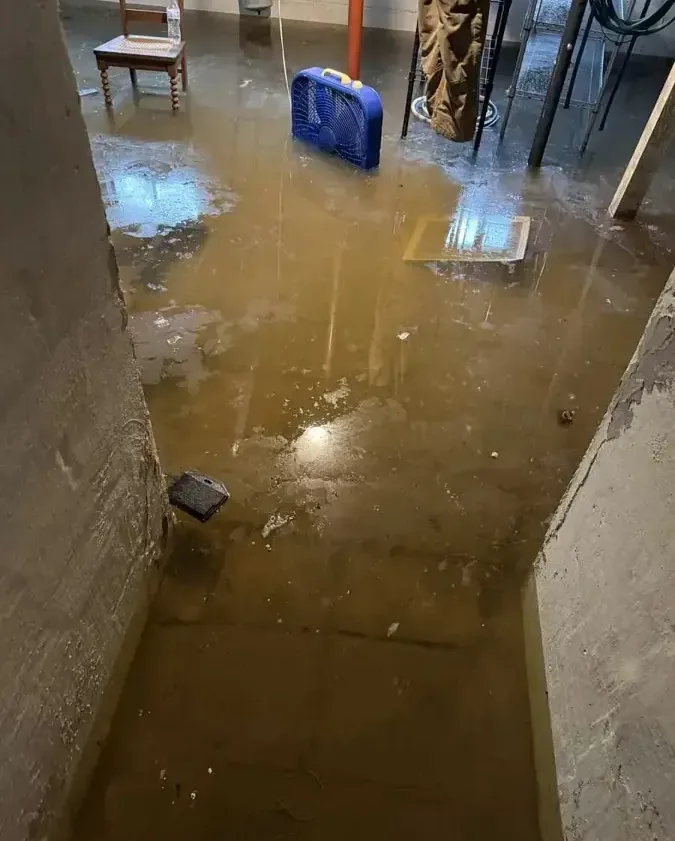
On June 28, 2020, heavy rain flooded the basement of Norwood Hospital and forced its closure. A hospital spokesman described water entering through the roof and up from the floor. That event gives this town a direct example of water affecting a building through different routes at once. Storm cleanup at an individual property starts by separating those routes, documenting the interior exposure and establishing safe conditions for removal.
How storm and flood cleanup proceeds
Assess safe entry and sources
The inspection establishes access conditions and identifies where water crossed into the building. Ongoing entry, electrical concerns and affected contents help define the first work priorities for the cleanup team.
Collect liquid and deposited debris
Water removal is paired with controlled handling of sediment and unsalvageable materials. The exposed surfaces are checked for additional wetting that was hidden beneath belongings or behind damaged interior finishes.
Clean the retained assemblies
Appropriate cleaning addresses the accessible surfaces left after removal. The scope accounts for the flood exposure and prepares suitable materials for drying, while separate source repairs limit renewed water entry.
Track moisture through recovery
Equipment targets the retained wet components and readings show their response. Completion notes identify cleaned surfaces, removed materials and the remaining repairs needed before the affected rooms return to ordinary use.
Distinguish incoming water from trapped moisture
A building near the Neponset River needs an assessment of the water actually entering it. The inspection follows exterior openings, low interior areas and overhead wetting where present. If rain continues to enter, temporary protection and source repair coordination become part of the sequence. Extraction can reduce the accumulated liquid, but drying cannot hold its gains while the same materials are repeatedly wetted.
- Record the first visible entry point and any later signs of water arriving at a different level of the building.
- Keep deposited sediment and wet contents within the affected zone until handling and disposal routes have been established.
- Inspect cavities and flooring edges reached by outside water, including areas where a visible puddle has already receded.
Outdoor water can carry dirt and other contaminants into absorbent materials. The cleanup decision therefore involves both moisture and exposure. A surface that could be dried after a small supply leak may need a different treatment after flood contact. The scope should identify what can be cleaned and retained, along with finishes that must be removed to reach the affected structure.
Organize removal around the building layout
At a Route 1 business, wet inventory and active entrances can complicate debris removal. In a home, a stairwell may be the only route to a flooded lower room. Equipment placement and handling routes should account for those constraints before work starts. Separating usable areas from the cleanup zone helps keep unaffected belongings from becoming part of the loss.
Once accessible water and damaged debris are removed, retained surfaces can be cleaned and assessed for drying. A space that looks empty may still contain wet framing, floor layers or wall cavities. The structural drying plan focuses on those remaining materials, using measured changes to decide where equipment or access needs adjustment during recovery.
- Document the condition behind removed finishes before reconstruction changes the view of the wet assembly.
- Maintain a clear distinction between source protection, interior cleanup and the repairs needed afterward.
- Use material readings to evaluate retained components instead of choosing a drying endpoint from appearance.
Describe how storm water entered and whether more than one level became wet. The cleanup discussion can then address the separate routes and exposed materials.
(888) 480-6221Discuss storm entry pointsKeep floodwater out of normal traffic
Flooded rooms can contain electrical hazards, unstable finishes and debris hidden below the water. Occupants should wait outside the affected area until safe access is established. Wet appliances should not be energized, and household fans should not blow across dirty flood deposits. Structural movement, a bulging ceiling or continuing heavy entry requires a protected work area. Personal belongings should be retrieved only when the route is safe and their handling will not spread contamination. Conditions outside the building also matter when selecting an entrance and arranging equipment movement for the cleanup.
Preserve the sequence in the damage record
Photographs of entry points, affected contents and exposed materials help explain the loss after the water recedes. The record should distinguish the initial storm exposure from later repair work. An owner can use the town cleanup overview to consider extraction, contents handling and drying together, with the scope based on the building conditions encountered during the assessment.
For general household precautions, see Ready.gov flood safety and the EPA household leak checks.
What does storm and flood cleanup cost in Norwood, MA?
Norwood storm cleanup estimates depend on outside water exposure, debris volume and access to affected layers. Broader interior contact adds removal, cleaning and drying tasks beyond simply pumping a visible collection.
Limited outside entry
$2,500 to $4,500
- Localized flood contact
- Accessible debris collection
- Focused material assessment
Several affected interiors
$4,500 to $8,000
- Multiple wet spaces
- Expanded surface cleaning
- Additional drying zones
Extensive flood exposure
$8,000 to $12,000+
- Broad finish removal
- Complex contents handling
- Concealed assembly access
These ranges are estimates only. Water category, square footage, material class and the delay before drying affect the scope. The water damage cost calculator compares those variables before a property assessment.
What shapes the storm and flood cleanup plan
A route for each entry
Roof wetting, door entry and lower floor water can require different corrections. The assessment identifies the routes present at the property so the restoration sequence addresses more than the largest puddle.
Exposure based material choices
Outside water can deposit contamination in porous layers. Removal and cleaning decisions account for that contact as well as moisture, with an explanation of which components can remain during recovery.
Debris movement planned
Wet contents and damaged finishes need a safe path out of the building. Planning that movement helps protect unaffected areas and keeps necessary entrances usable while extraction and cleaning proceed.
Progress tied to conditions
Drying follows the removal and cleaning stage for retained materials. Repeat observations and measurements help distinguish continued water entry from moisture already inside the structure, allowing the work plan to adapt.
Storm and flood cleanup coverage in Norwood
Flood cleanup planning includes South Norwood, properties near the Neponset River and buildings around Route 1 within 02062. The assessment uses the actual entry route, affected levels and safe access available at each property.
The same service nearby: storm and flood cleanup in Roslindale, Hyde Park, Brookline.
Related water damage services in Norwood
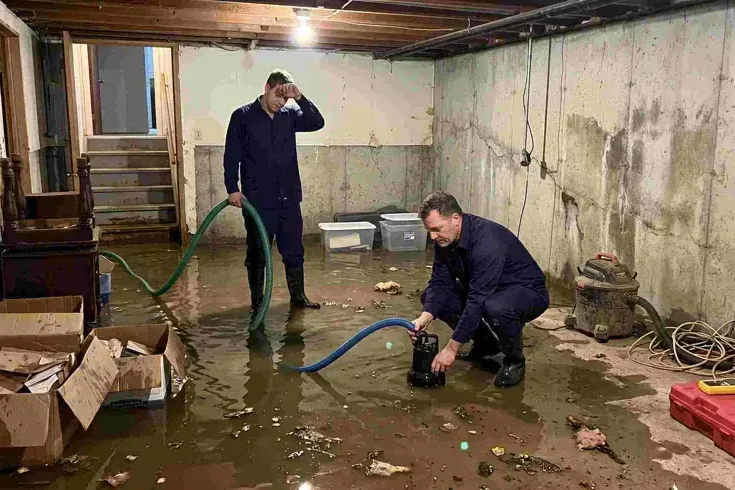
Water Extraction and Removal
Pumps remove pooled water while extraction tools reach carpet, floor joints and low spots.
Service details ›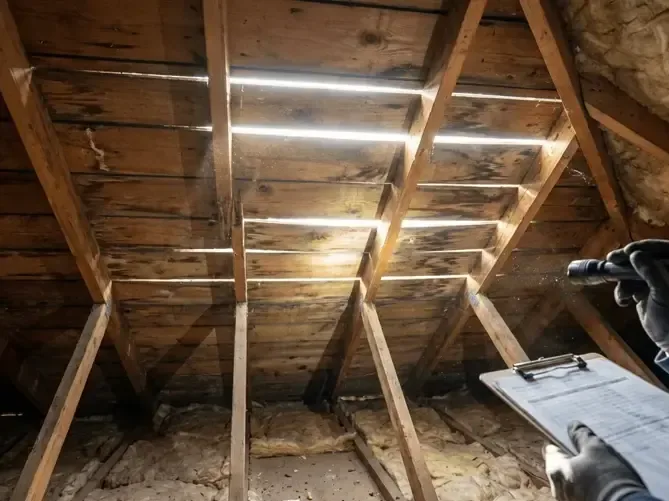
Roof Leak Water Damage
Attic inspection follows the rain path beyond the visible ceiling stain.
Service details ›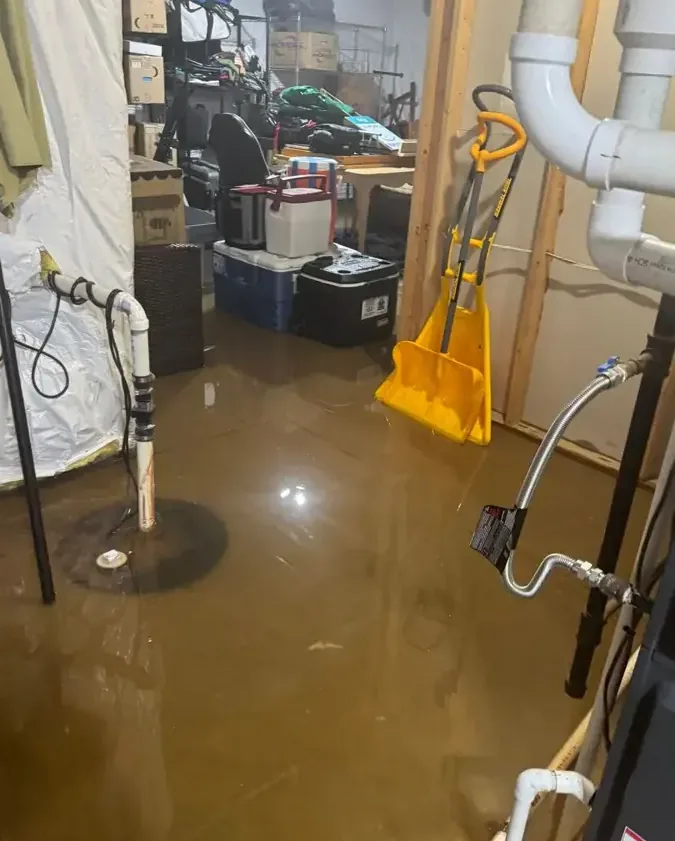
Basement Water Removal
Below-grade extraction starts with electrical clearance and the actual water entry route.
Service details ›Storm and Flood Cleanup questions
Why treat outside water differently from a pipe leak?
Water arriving from outside can carry dirt and contaminants into the building. That exposure changes the choices for porous finishes and contents, even when the visible amount is small. The cleanup needs to consider contact history as well as moisture. Removing a puddle is followed by decisions about debris, cleaning and the materials left to dry.
Can drying start while rain still enters?
Some removal work may be necessary during continuing entry, but a stable drying plan needs the source brought under control. Otherwise the same materials can become wet again. Temporary protection and permanent repair may require separate coordination. The scope should explain those tasks and how changing weather or entry conditions affect the interior cleanup sequence.
Does proximity to the river determine the cleanup?
The actual water path and interior exposure determine the work at a property. The assessment checks where water entered, what it contacted and which materials remain wet. Location helps with access and context, while the building inspection establishes removal and drying needs. Photographs of entry points can be particularly helpful once outside water has receded.
What happens to sediment left on the floor?
Deposited material is part of the cleanup, even after standing water has been removed. It needs controlled collection and appropriate surface cleaning rather than dry sweeping through occupied rooms. The underlying finish is assessed for condition and exposure. Porous layers beneath the visible deposit may require removal before retained structural materials can be treated and dried.
Should wet belongings be moved outside immediately?
Handling depends on safe access, the item condition and the available storage area. Moving dripping belongings through clean rooms can extend the affected zone. Documentation should precede disposal when practical, and contaminated items need separation from unaffected possessions. A contents plan helps identify what can be handled, what needs treatment and what should remain isolated pending a decision.
What distinguishes cleanup from storm repairs?
Cleanup addresses water, debris, affected materials and remaining moisture inside the building. Repair work may address the roof, exterior opening, drainage issue or damaged finishes. These tasks should be described separately even when they are coordinated. An owner benefits from knowing which work stops further entry and which work restores the condition of the interior already exposed.
How is the final drying decision made?
The retained materials need assessment after cleaning, with readings that show their moisture condition and response to the equipment. A room looking cleaner is not the endpoint for drying. The record should explain the remaining assembly and any repair requirements, giving the owner a useful basis for scheduling reconstruction or returning the affected space to use.
Recover the rooms the rain reached
Plan removal, cleaning and drying around the actual flood exposure, with a clear record of the interior work and remaining repairs.
(888) 480-6221Discuss storm cleanup priorities