Ceiling Leak Water Damage Norwood, MA
A wet ceiling can be receiving water from plumbing, an appliance or the roof. The first task is to protect the room below while the source and the hidden overhead spread are assessed.
(888) 480-6221Discuss the wet ceiling area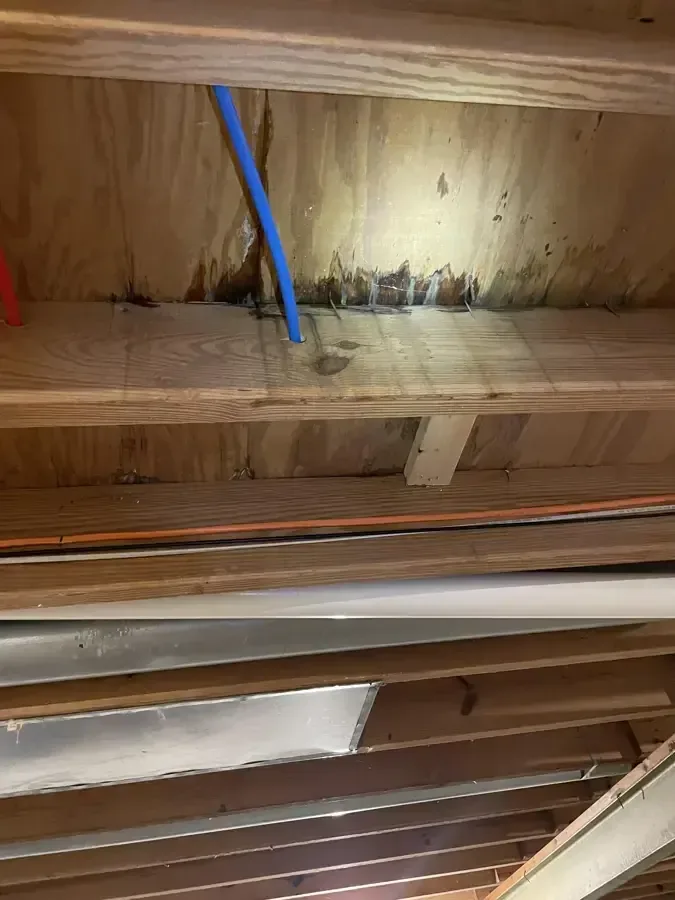
A ceiling is both a visible finish and the lower face of a concealed space. Water can collect in that space before the first mark appears in the room. Ceiling leak water damage in Norwood needs attention to attachment, electrical exposure and the route above the stain. Once the area below is protected, inspection can establish whether the source is overhead plumbing, an appliance discharge, rain entry or another identified cause.
How ceiling leak water damage proceeds
Protect and inspect overhead conditions
The visible ceiling change is reviewed for instability and electrical concerns. Safe access is established above or below as appropriate, with the affected room kept separate from normal activity during inspection.
Trace and correct the source
The assessment relates cavity moisture to the room or roof above. Source repair is coordinated separately, and continuing entry is identified before interior drying is expected to produce lasting material improvement.
Remove unsuitable ceiling layers
Damaged finishes and other materials are handled under a controlled access plan. The exposed cavity is documented, allowing retained framing and connected layers to be assessed for the next treatment stage.
Dry the accessible cavity
Equipment and monitoring locations are chosen for the wet components that remain. Readings show progress and inform any adjustments before the assembly is handed over for insulation or finish replacement.
Read the ceiling together with the room above
At a Washington Street property, a ceiling below a bathroom requires a different source investigation from one beneath an attic. The restoration assessment records the visible wet area and checks accessible adjoining materials. A light fitting, joint or wall edge can become the outlet for water that traveled within the cavity. The opening used for inspection should reflect that route and the condition of the finish.
- Keep the area beneath softened, bowed or loose ceiling material out of normal use until the overhead condition is assessed.
- Identify nearby plumbing fixtures and appliances above the wet room so the source investigation has a clear starting description.
- Look for water continuing along wall tops or through penetrations into a neighboring room rather than stopping at the stain boundary.
A controlled opening can expose wet joists, insulation and the underside of the floor above. It also changes the condition of the room, so protection and documentation belong in the access plan. The scope should distinguish material that lost integrity from material that can be retained and dried. That distinction helps the owner anticipate the eventual ceiling repair.
Dry the cavity rather than only its lower surface
A fan pointed at paint may have little effect on moisture trapped above an intact panel. Retained layers need an available evaporation route and suitable equipment. For a building near the Day House, the practical questions are how the cavity can be reached, which components are wet and whether the source has stopped. The location of the visible drip supplies only part of the answer.
When water has also affected the floor of the upper room, the assessment connects both sides of the assembly. That may involve separate access and monitoring locations above and below. Structural drying addresses the retained materials, while any failed fixture or roof opening needs appropriate repair. The work sequence keeps a newly dried ceiling from receiving another release during reconstruction.
- Record exposed joists and wet layers before new ceiling panels hide the treated space.
- Keep equipment routes clear of occupied seating and walking areas below the open assembly.
- Compare moisture at useful cavity locations as the drying setup is adjusted through the work.
Describe the ceiling change and what room sits above it. Mention any sagging or wet light fittings so access can be discussed before the interior assessment.
(888) 480-6221Review the ceiling conditionDo not drain an uncertain ceiling by hand
Puncturing a bulge can release water and loose material over the person standing below. Occupants should keep clear of a sagging ceiling and avoid touching wet switches, fixtures or nearby wiring. The room may need a wider exclusion area than the visible stain suggests. A container can catch a stable accessible drip only when placement is safe; it does not resolve the overhead hazard. Investigation from above also requires safe footing and suitable access. Any opening, electrical isolation or removal should be organized before ordinary activity resumes beneath the affected ceiling.
Define what remains for the ceiling repair
For a University Avenue property, a completed cleanup should leave an understandable account of the source, the cavity treatment and the remaining finish work. The owner needs to know what was removed, what was dried and whether connected wall areas also require repair. The restoration service overview helps place the ceiling work within the wider recovery when several rooms share the same water event.
For general household precautions, see Ready.gov flood safety and the EPA household leak checks.
What does ceiling leak water damage cost in Norwood, MA?
Ceiling leak restoration estimates in Norwood reflect overhead access, damaged finish removal and the wet cavity behind it. The required scope grows when joists, adjoining wall tops or rooms on another level also need treatment.
Localized ceiling wetting
$900 to $1,800
- Small overhead opening
- Limited finish removal
- Focused cavity checks
Joists and adjacent walls
$1,800 to $3,500
- Connected assembly exposure
- Additional material treatment
- Broader drying access
Multiple rooms or levels
$3,500 to $5,500+
- Several wet cavities
- Expanded room protection
- Complex equipment placement
These ranges are estimates only. Water category, square footage, material class and the delay before drying affect the scope. The water damage cost calculator compares those variables before a property assessment.
What shapes the ceiling leak water damage plan
The room below protected
Overhead instability and electrical exposure are considered before the ceiling is opened. A defined work area keeps occupants away from falling material and gives the assessment a controlled place to proceed.
Source tracing across levels
The room above is part of the investigation when a ceiling becomes wet. Plumbing, appliances and accessible roof spaces are considered according to the actual layout and the observed water route.
Access matched to the assembly
Ceiling finishes, joists and insulation need different treatment choices. The scope explains necessary openings and removal so retained materials can be reached without treating the stain outline as the full boundary.
A clear closure decision
Drying observations are recorded before the cavity is covered again. This gives the owner useful information for ceiling replacement and helps distinguish remaining cosmetic work from unresolved moisture in the overhead structure.
Ceiling leak water damage coverage in Norwood
Ceiling assessments cover properties around Washington Street, the Day House and University Avenue within 02062. Information about the room above, visible sagging and wet electrical fixtures helps establish the safest inspection approach.
The same service nearby: ceiling leak water damage in Roslindale, Hyde Park, Brookline.
Related water damage services in Norwood
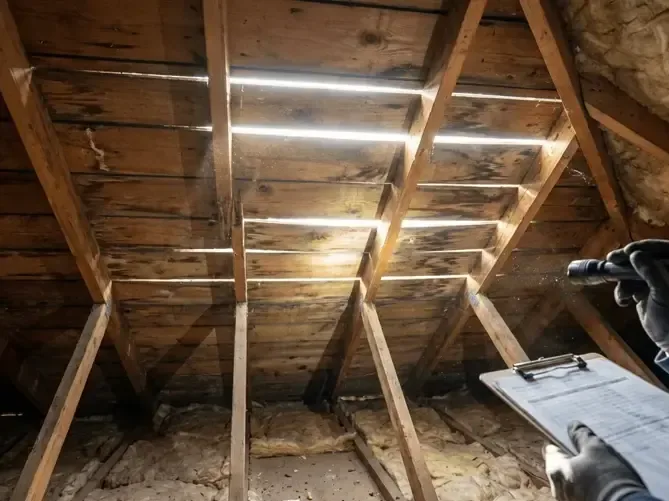
Roof Leak Water Damage
Attic inspection follows the rain path beyond the visible ceiling stain.
Service details ›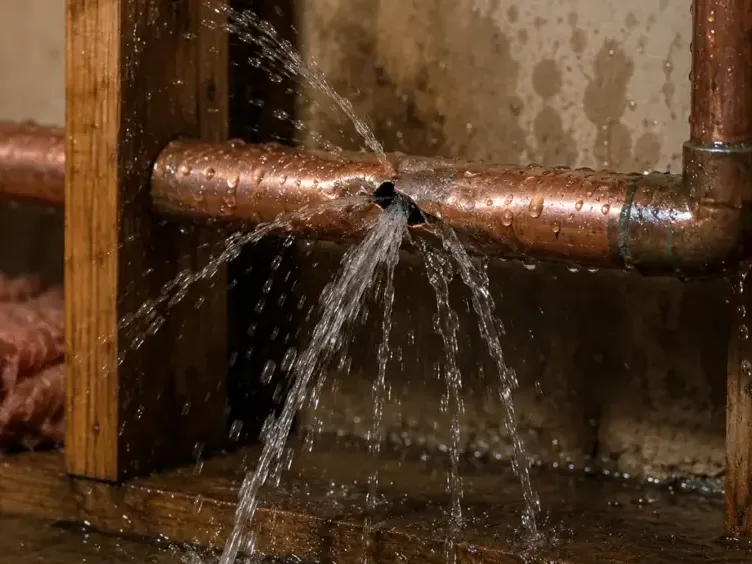
Burst Pipe Water Damage
A stopped supply leak still leaves wet wall cavities, insulation and floor layers to assess.
Service details ›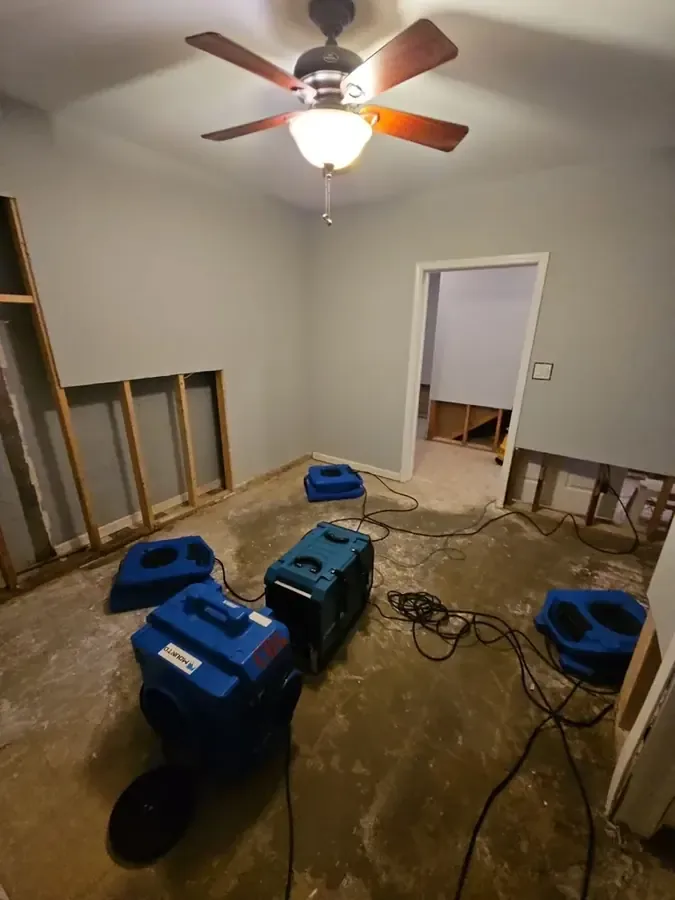
Structural Drying
Material readings determine equipment placement and the end of the drying phase.
Service details ›Ceiling Leak Water Damage questions
What does a ceiling bulge change about access?
A bulge raises concern about retained water and the ability of the finish to remain attached. The room below should stay clear until the condition has been assessed. Occupants should not stand beneath it to investigate or puncture it. Electrical exposure may create another hazard, so the safe work boundary can extend beyond the visible wet patch.
Can a bathroom above cause a stain elsewhere?
Water can move along framing or other connected surfaces before it finds an opening in the ceiling below. A stain may therefore be offset from the leaking fixture. The investigation considers the room above and the accessible cavity together. Source testing and material assessment help connect the cause with the interior damage that needs removal or drying.
Is ceiling removal always required?
The decision depends on integrity, access and the wet layers behind the finish. Some material may remain if it is sound and can be treated effectively. Softened, unstable or obstructive layers may need controlled removal. The scope should explain the choice and identify how retained components will be inspected and dried before the ceiling is closed again.
Why inspect the wall beside the ceiling?
Water may follow the junction between the ceiling and wall, wetting the upper wall assembly before it becomes obvious lower down. A ceiling only inspection could miss that connected damage. The assessment follows observed moisture into adjoining materials and records where the spread ends. This helps make the eventual repair scope more accurate across both surfaces.
Can the upstairs room remain in use?
That depends on the source and the safety of the affected assembly. A fixture causing the leak should not continue discharging into the cavity. The room may also need access for inspection or drying. The work plan should explain any restrictions above and below so occupants understand which activities could interfere with treatment or create renewed wetting.
How is the cavity dried after opening?
The retained materials receive a setup suited to their exposure and the available air path. Dehumidification and directed air movement may be used, with monitoring at locations that reflect the wet components. Equipment placement changes if readings show poor progress. The objective is to address moisture inside the assembly before new finishes restrict access or evaporation again.
What information helps the repair contractor afterward?
A useful handoff identifies the source correction, the materials removed and the condition of retained components when drying ended. Photographs of the open cavity can also explain the work after it is covered. The owner should know whether adjacent walls or upper floor layers still require repair, so ceiling replacement fits the full scope of the loss.
Give the overhead cavity a complete assessment
Plan ceiling recovery around the source, safe opening and retained material moisture before replacement finishes close the space again.
(888) 480-6221Discuss overhead cleanup access