Appliance Leak Water Damage Norwood, MA
A dishwasher or laundry leak may disappear under cabinets before it spreads across open flooring. Restoration follows the discharge beneath accessible edges and into connected materials after the appliance has been made safe.
(888) 480-6221Discuss the appliance water path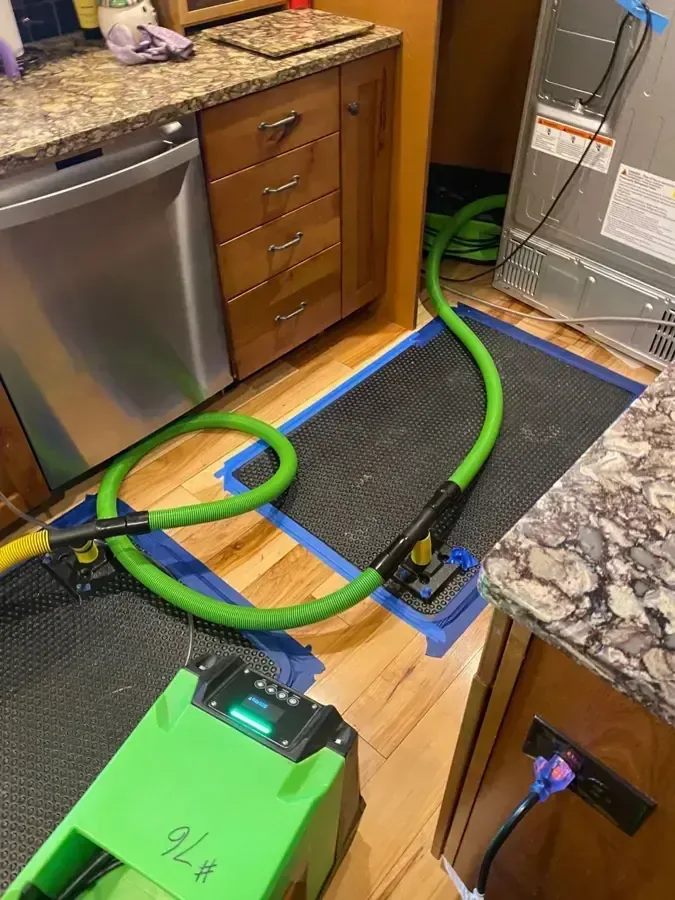
An appliance leak often reveals itself at the edge of something else: a swollen cabinet base, a flooring seam or the ceiling downstairs. The machine can conceal the origin while water moves beneath the room. Appliance leak water damage in Norwood needs both a source assessment and an interior investigation that follows those hidden paths. A stopped cycle can prevent another discharge, but it leaves the existing moisture and affected finishes to be addressed.
How appliance leak water damage proceeds
Describe the leak and isolate use
The machine involved and the observed stage of leakage are recorded. Safe access and source assessment are coordinated before further operation can add water to the affected room or connected spaces.
Inspect beneath accessible edges
Extraction and contents handling reveal flooring, cabinet bases and nearby wall surfaces. The assessment follows moisture into concealed layers and checks below the room where the layout suggests downward water travel.
Choose cleaning and material treatment
Exposure and condition determine what can remain and what requires removal. Retained components receive access for suitable cleaning and drying, with the scope distinguishing those tasks from repair of the machine.
Confirm the interior handoff
Monitoring tracks the response of wet materials and supports changes in equipment or access. Completion notes identify treated assemblies, remaining repairs and any restrictions before the appliance and contents return to position.
Distinguish the machine fault from its discharge
A dishwasher supply connection and a used wash discharge create different cleanup conditions. The assessment records what happened, what water contacted and how long affected materials remained wet when known. At a University Avenue property, the practical concern might be a built in appliance surrounded by cabinetry. Access to the machine should be arranged without dragging it across damaged flooring or disturbing utility connections unsafely.
- Record whether the leak appeared during filling, operation or draining so the equipment professional receives a useful description of the event.
- Inspect toe kicks, side panels and nearby flooring joints for moisture that escaped the visible puddle in front of the machine.
- Check the room below when water may have traveled through a floor opening or along connected pipes into an overhead assembly.
Water used during an appliance cycle can carry residues that influence cleaning and material decisions. Even a supply release can reach dirty or absorbent spaces beneath a machine. The restoration scope considers that contact history and the condition of each finish. It should explain which components need removal and how retained cabinet or floor materials can be reached effectively.
Give cabinet bases and layered floors access
A dry counter says little about the bottom of a cabinet. Water can collect behind a removable toe kick or move under a floor finish that limits evaporation. For a Washington Street kitchen, the assessment would follow those layers rather than assume the open walking surface defines the damage. Selective access may reveal a larger wet area while also making a targeted drying approach possible.
Floor mats or other specialty equipment may be suitable for some assemblies, but the material condition and water exposure determine the method. Swollen, detached or contaminated components need their own decisions. The floor drying service describes the monitoring needed when materials remain, and ceiling cleanup applies when the appliance release also affected a lower room.
- Separate appliance repair charges from cabinetry, flooring and interior drying work in the proposed scope.
- Photograph the condition revealed behind removable panels before that access is closed or rebuilt.
- Keep monitoring points reachable instead of returning stored items against surfaces still being treated.
Describe the appliance involved and where water appeared beyond it. Include cabinet changes or a downstairs stain so the assessment can follow the complete discharge path.
(888) 480-6221Review the machine spillA wet machine is not a safe troubleshooting project
Occupants should stop using a leaking appliance and avoid touching wet plugs, cords or controls. A machine should not be pulled out while its connections and surrounding electrical conditions are uncertain. Water beneath a dishwasher or washer can make footing slippery and conceal damaged flooring. Heavy units need suitable handling, especially where cabinets restrict movement. A known shutoff can be used only if access is safe. Cleanup assessment, equipment repair and any necessary electrical attention should be coordinated before another cycle runs, rather than testing the machine by allowing more water into the room.
Return the room to use with clear limits
At a property near Morrill Memorial Library, the owner should know whether the appliance issue is corrected and whether nearby finishes still need drying or replacement. Those are separate completion questions. The final record can identify treated cabinet surfaces, affected flooring layers and any remaining access restrictions. That detail helps avoid covering damp material when the machine is returned to position or the room is reorganized after cleanup.
For general household precautions, see Ready.gov flood safety and the EPA household leak checks.
What does appliance leak water damage cost in Norwood, MA?
Appliance leak cleanup estimates in Norwood reflect cabinet access, water exposure and flooring layers. A spill confined to an open surface differs from concealed wetting beneath fixtures or spread into another room.
Accessible floor spill
$700 to $1,500
- Reachable surface water
- Limited edge inspection
- Small equipment setup
Cabinets and floor layers
$1,500 to $3,200
- Toe kick access
- Wet substrate assessment
- Targeted assembly drying
Spread to adjoining spaces
$3,200 to $5,000+
- Connected room treatment
- Additional finish removal
- Expanded moisture mapping
These ranges are estimates only. Water category, square footage, material class and the delay before drying affect the scope. The water damage cost calculator compares those variables before a property assessment.
What shapes the appliance leak water damage plan
Discharge context considered
The assessment distinguishes the source and contact history of the appliance water. That information helps determine cleaning needs and material choices before the room is treated as a simple surface spill.
Concealed edges inspected
Cabinet toe kicks, appliance recesses and flooring seams can hide the main wet area. Accessible edges are checked so the cleanup follows the discharge beneath fixtures rather than stopping at open floor space.
Machine access coordinated
Moving or repairing the appliance may require shared access with restoration work. The sequence keeps connections safe and allows wet surfaces to be assessed before equipment returns to its normal position.
Material progress recorded
Retained cabinet and flooring components need a drying approach that can reach their wet layers. Notes and readings explain progress and identify the remaining finish work after the appliance fault is corrected.
Appliance leak water damage coverage in Norwood
Appliance leak assessments cover homes and businesses in 02062 near University Avenue, Washington Street and Morrill Memorial Library. Describe the machine involved, the cycle or leak observed and any lower room showing new moisture.
The same service nearby: appliance leak water damage in Roslindale, Hyde Park, Brookline.
Related water damage services in Norwood
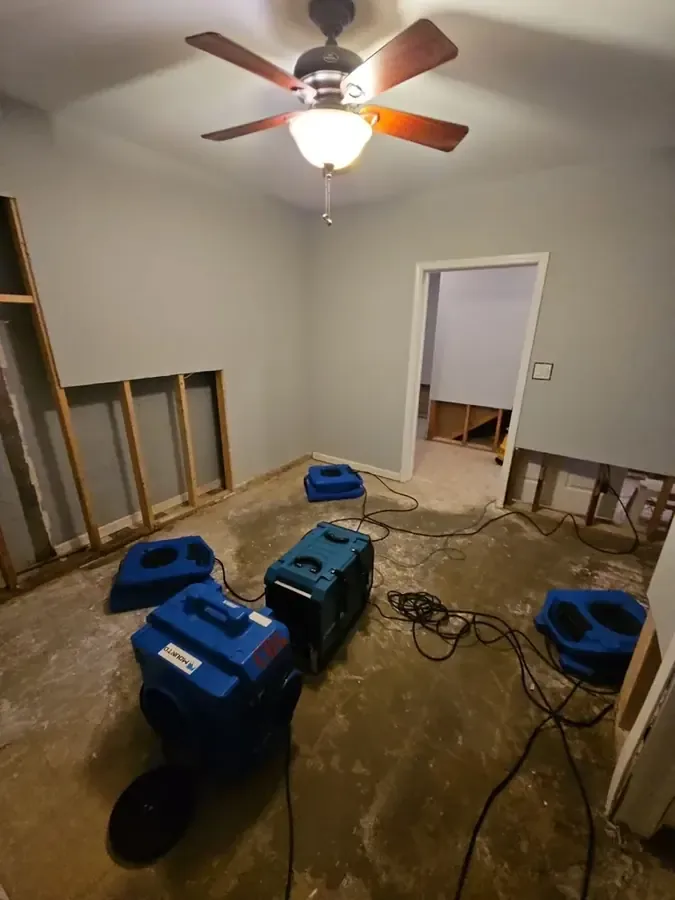
Structural Drying
Material readings determine equipment placement and the end of the drying phase.
Service details ›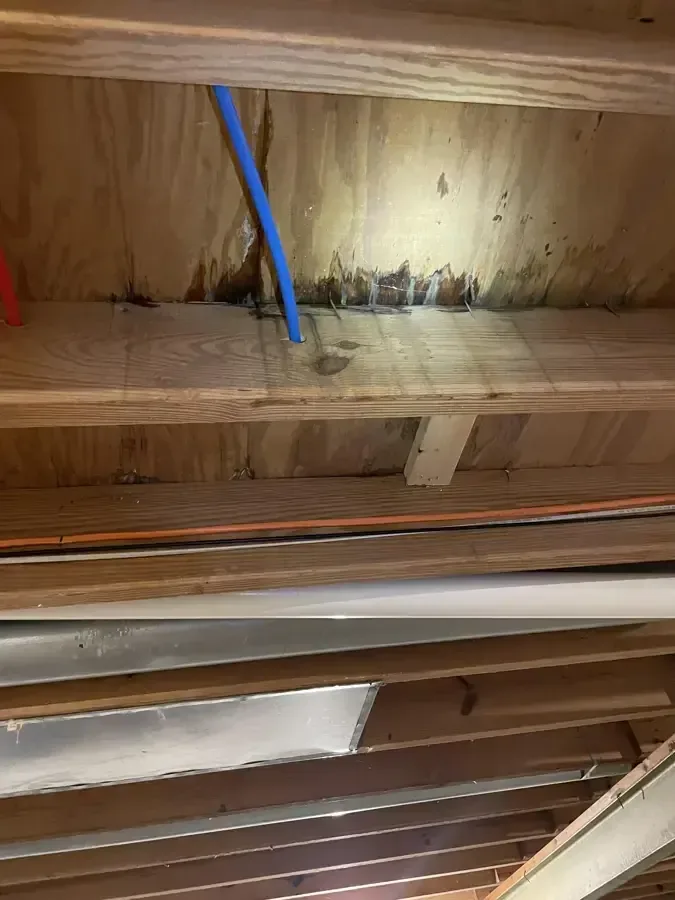
Ceiling Leak Water Damage
Overhead saturation calls for safe access and checks above the damaged finish.
Service details ›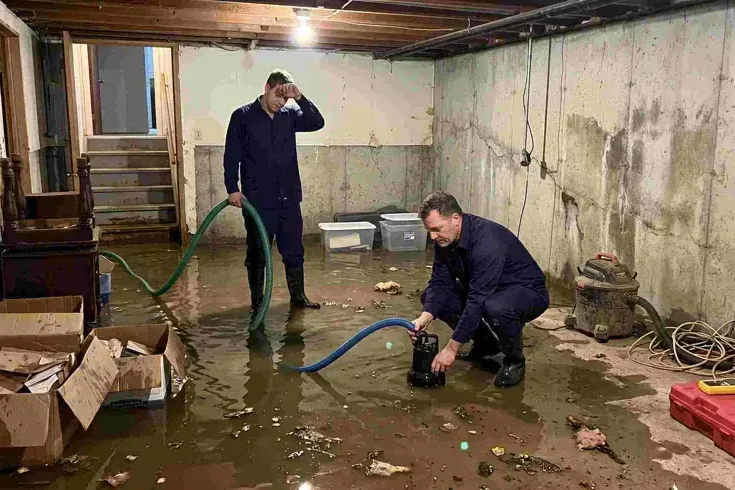
Water Extraction and Removal
Pumps remove pooled water while extraction tools reach carpet, floor joints and low spots.
Service details ›Appliance Leak Water Damage questions
Does the type of appliance water affect cleanup?
Yes. A fresh supply release and used cycle water can create different exposure conditions. The assessment considers the source, residues and surfaces the water contacted. Those details influence cleaning and salvage decisions for cabinets, flooring and contents. The first description should include when the leak appeared and whether it was associated with filling, washing or draining.
Why check behind a cabinet toe kick?
The space beneath a cabinet can collect water while the visible floor dries quickly. A toe kick may conceal that wet area and restrict air movement. Appropriate access allows the base and connected flooring to be inspected. The scope should explain whether the panel can be removed and what treatment is needed for the materials discovered behind it.
Can a machine be tested again after the puddle is wiped?
Further operation should wait until the equipment fault and surrounding safety conditions have been addressed. Another cycle can add water to concealed materials or create electrical exposure. Wiping the open floor does not resolve the source. An appliance professional and the interior cleanup assessment should establish what is needed before the machine returns to normal use.
Will wood flooring need to be lifted?
That depends on the material condition, the water exposure and access to the wet layer. Some assemblies may allow specialized drying, while others require selective removal. The visible surface alone cannot settle the choice. Moisture assessment and the condition of joints, adhesives or underlying layers help determine whether retaining the flooring is a workable part of the cleanup.
Why might the downstairs ceiling also need inspection?
Appliance water can pass through penetrations or floor joints and enter the assembly below. A lower ceiling may show the release after the kitchen or laundry surface appears improved. Checking that route helps establish whether overhead material is wet or unstable. The restoration plan then connects the two spaces instead of treating the downstairs stain as an unrelated cosmetic issue.
Who moves the appliance during restoration?
Movement should be arranged with suitable handling and attention to the machine connections. The cleanup scope and equipment repair scope may need the same access, so their sequence matters. Occupants should not pull a heavy wet appliance across a damaged floor without assessment. The area behind it may need inspection and treatment before the machine is returned to place.
What should an owner know before the room reopens?
The owner should understand whether the appliance source is corrected, which interior materials were treated and what repairs remain. Moisture records help explain retained flooring or cabinet conditions. Any necessary access should stay available until treatment ends. Returning contents or reinstalling panels too early can hide an area that still requires monitoring or additional drying work.
Reach the moisture beneath the fixtures
Arrange interior cleanup around the appliance recess, adjoining finishes and any concealed layers affected before the room returns to ordinary use.
(888) 480-6221Discuss cabinet and floor recovery