Appliance Leak Water Damage Hyde Park, MA
Water escaping behind an appliance can soak cabinetry before reaching open floor space. Hyde Park appliance leak cleanup inspects the hidden footprint, nearby finishes and rooms below while the failed connection or appliance receives repair.
(888) 480-6221Inspect the appliance water path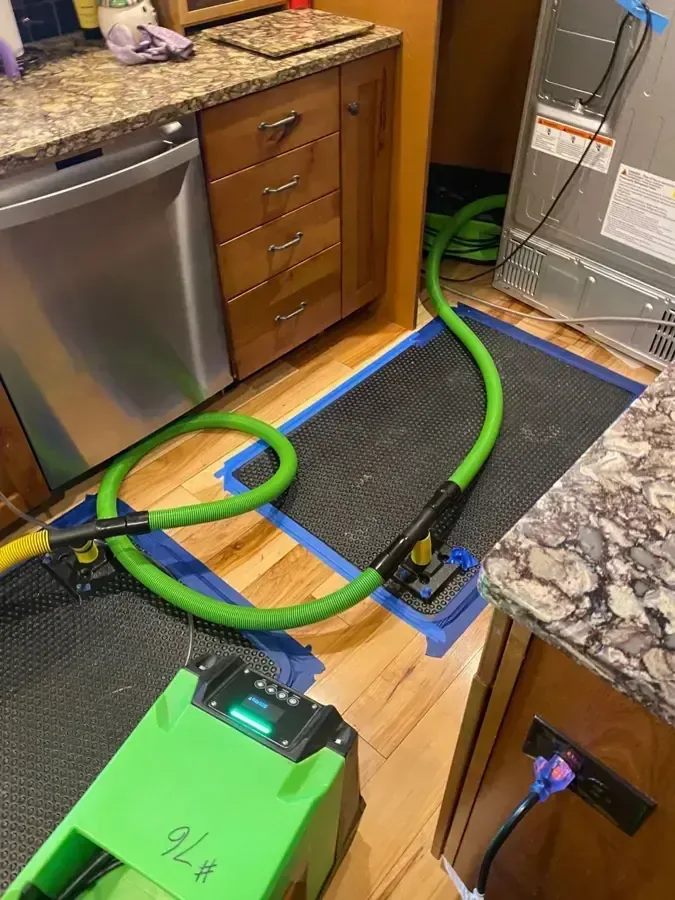
A dishwasher can conceal a wet floor until water emerges at a cabinet toe space. A laundry appliance can send liquid beneath a covering before a nearby room shows the loss. Appliance leak restoration in Hyde Park starts with the footprint that is usually hidden during everyday use. The cleanup plan needs to establish the source, the nature of the released water and whether adjacent cabinets or lower floor layers have absorbed it.
How appliance leak water damage proceeds
Identify the source and footprint
The appliance, operating conditions and wet boundary are recorded. Safe source control and power assessment precede access beneath the equipment.
Expose concealed wet edges
Appropriate appliance movement or selective cabinet access reveals the affected footprint. Extraction and material checks then establish whether water reached underlayment, wall bases or fixed cabinetry beyond the open floor area.
Treat the contacted materials
Cleaning and removal decisions reflect the released water and condition of each component. Remaining layers receive a drying arrangement designed around access, with readings used to adjust equipment as concealed moisture is evaluated.
Document restoration and repair needs
Final checks distinguish dry retained materials from components still physically damaged. Appliance service and replacement finishes remain clearly described so the owner can coordinate the completed cleanup with the remaining kitchen or laundry repairs.
Distinguish the release before selecting treatment
A supply hose and a used water discharge can create different material decisions. The inspection considers what escaped, the surfaces contacted and the time moisture remained concealed. Appliance repair belongs with a suitable service professional; restoration addresses the building and contents around it. Continuing to run the appliance to test a suspected leak can add water to an already affected floor.
- Record the appliance operating condition when the leak appeared, without restarting equipment in an unsafe area.
- Check cabinet bottoms and nearby trim for swelling that may reveal water concealed behind the visible floor edge.
- Inspect the room below when an upper floor kitchen or laundry release has reached a ceiling opening.
Fairmount Hill includes houses from the late nineteenth and early twentieth centuries. In an altered kitchen or laundry space, the visible covering may sit above older finish layers. Inspection identifies each floor layer, the water trapped between layers and the access needed to dry the affected assembly in that particular home.
Reach the wet footprint without adding damage
Moving a heavy appliance requires attention to connections, floor condition and safe power. The restoration plan should coordinate that access with appliance service rather than treating removal as an ordinary housekeeping task. Once the footprint is exposed, extraction and material measurements can reveal whether the loss stayed on the surface or reached a subfloor, cabinet side or adjoining wall.
Cleary Square is a business district, and Fairmount Avenue is a main street. A service request near either location should describe the affected appliance and room arrangement. The interior details determine whether equipment can reach the cabinet base directly or whether selective opening is needed. An accessible kitchen floor may still conceal moisture under fixed cabinetry that blocks ordinary airflow.
- Separate swollen cabinet components from sound materials that can be evaluated for drying in place.
- Check floor seams and transitions where liquid can enter beneath an otherwise intact surface.
- Connect the cleanup to structural drying when retained layers stay damp after extraction.
A wet appliance footprint can extend beneath fixed cabinets and into another room. Describe the equipment involved, the water's visible path and any swelling in nearby finishes.
(888) 480-6221Assess the hidden appliance footprintAvoid handling powered equipment in released water
Occupants should not reach behind a wet appliance to unplug it while standing in water. Boston Water and Sewer Commission warns against touching appliances or wires with wet hands or feet. Electrical isolation and safe equipment movement should be established by the appropriate professional. A heavy machine can also damage softened flooring or strain connected plumbing when pulled without preparation. Children and pets should remain away from the wet area. The safest initial information is the appliance involved, visible water boundary and whether the release is ongoing, gathered without entering hazardous conditions.
Assess appearance and moisture as separate questions
A cabinet may look intact while its base remains damp, and a warped floor may stay damaged after it becomes dry. The final assessment should distinguish moisture recovery from permanent finish damage. Readings document the condition of retained materials; photographs explain swelling or separation that needs repair. That distinction gives the owner a clear sequence for appliance service, material drying and replacement work, with each remaining kitchen or laundry repair identified in the scope.
For general household precautions, see Ready.gov flood safety and the EPA household leak checks.
What does appliance leak water damage cost in Hyde Park, MA?
Appliance leak restoration in Hyde Park depends on concealed floor wetting, cabinet exposure and the released water. These planning ranges cover cleanup and drying; appliance repairs and replacement cabinetry require separately stated estimate details.
Accessible floor spill
$700 to $1,500
- Open surface extraction
- Limited edge checks
- Small drying area
Cabinets and floor layers
$1,500 to $3,200
- Concealed base assessment
- Underlayment access decisions
- Expanded material treatment
Spread to adjoining spaces
$3,200 to $5,000+
- Multiple room exposure
- Lower ceiling checks
- Broader equipment layout
These ranges are estimates only. Water category, square footage, material class and the delay before drying affect the scope. The water damage cost calculator compares those variables before a property assessment.
What shapes the appliance leak water damage plan
Understanding the appliance release
The assessment distinguishes supply water from used discharge and identifies contacted surfaces. Those findings shape cleaning decisions before drying begins beneath the appliance and around the affected kitchen or laundry finishes.
Inspecting fixed cabinetry
Cabinet toe spaces and concealed bases can hold water after the open floor is clear. The scope accounts for access to those edges and explains when damaged components require removal to expose the wet assembly.
Coordinating safe movement
Appliance access must respect power, plumbing connections and the condition of the floor underneath. Restoration and service work are arranged together so moving the equipment does not create another release or worsen damaged finishes.
Separating drying from cosmetic recovery
Material readings establish the moisture condition, while photographs document swelling and other physical damage. The closing record identifies retained components and the replacement work that may remain after the appliance fault and drying are complete.
Appliance leak water damage coverage in Hyde Park
Appliance leak assessment covers Hyde Park residences near Cleary Square, Fairmount Hill and Fairmount Avenue, including 02136. The appliance location, contacted materials and access behind cabinets determine the cleanup approach inside each home.
The same service nearby: appliance leak water damage in Roslindale, Brookline, Norwood.
Related water damage services in Hyde Park
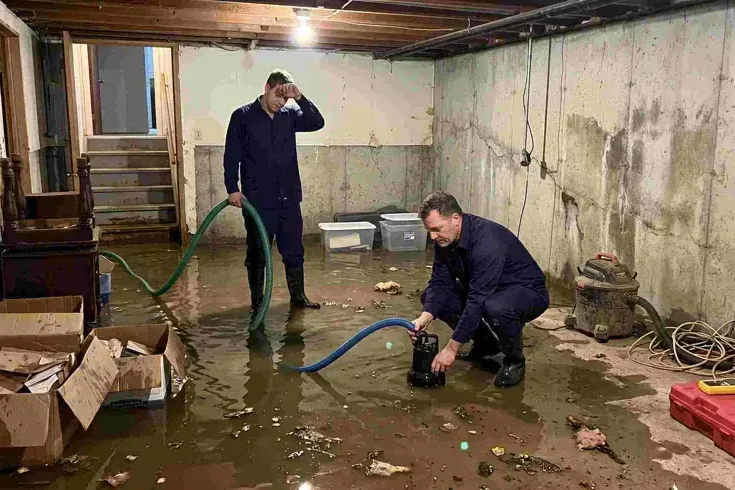
Water Extraction and Removal
Pumps remove pooled water while extraction tools reach carpet, floor joints and low spots.
Service details ›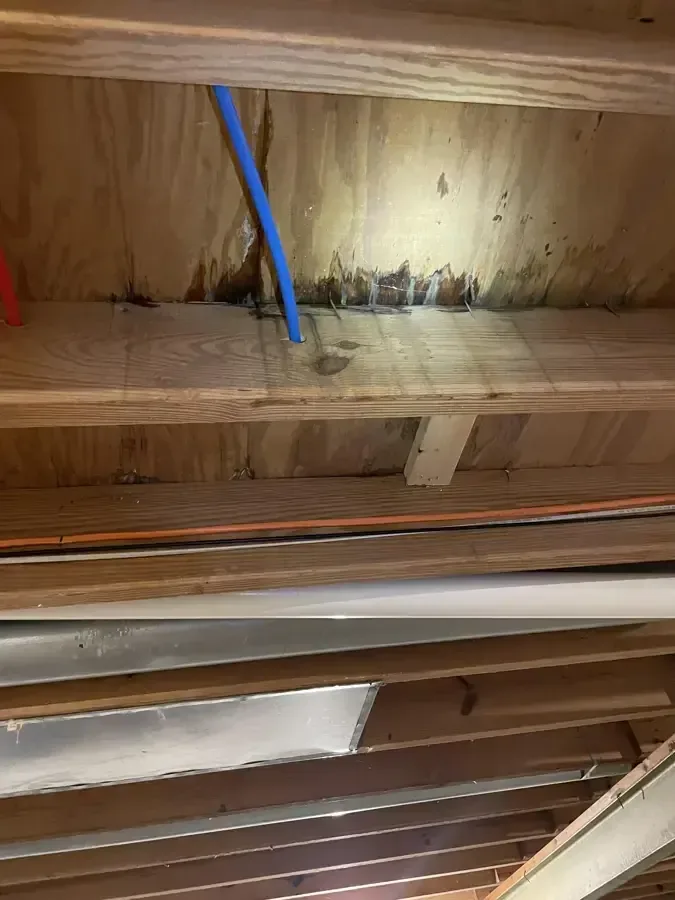
Ceiling Leak Water Damage
Overhead saturation calls for safe access and checks above the damaged finish.
Service details ›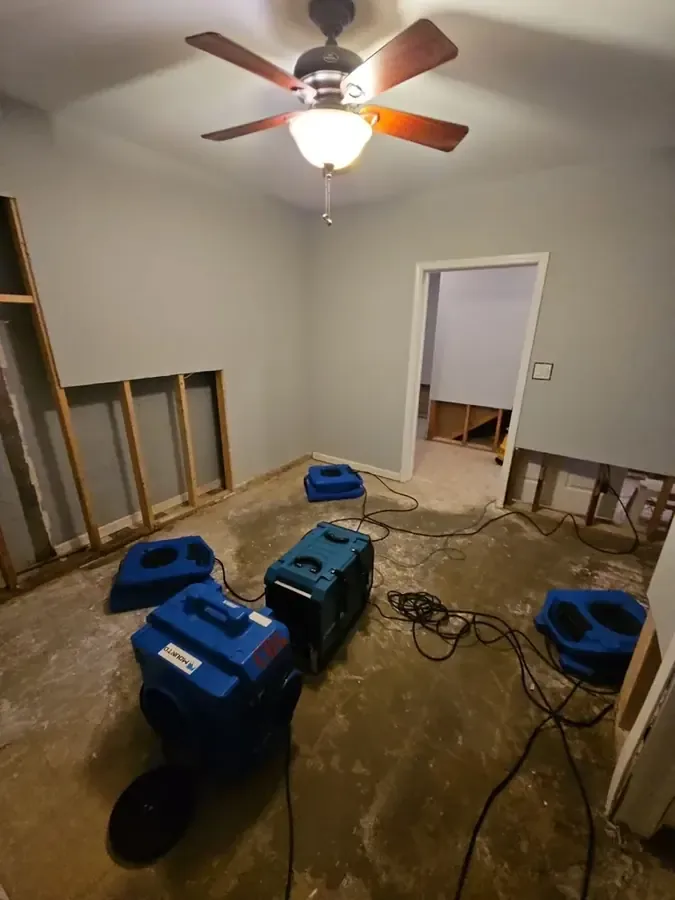
Structural Drying
Material readings determine equipment placement and the end of the drying phase.
Service details ›Appliance Leak Water Damage questions
Should an appliance be run again to locate the leak?
Restarting it can release more water and complicate the damage. The service professional should receive the observed operating pattern, visible source clues and information about the affected area instead. Safe power and source conditions need to be established before testing, while restoration can assess the water already retained beneath the appliance and nearby finishes.
Why is the cabinet base wet when the floor looks dry?
Water can collect behind a toe space or beneath a fixed cabinet where ordinary wiping cannot reach it. Absorbent cabinet components may retain that moisture after the exposed floor dries. Inspection of the concealed edge and material condition helps determine whether access, removal or a focused drying approach is needed around the affected base.
Can a dishwasher leak affect a room downstairs?
Water can pass through floor joints or openings around plumbing and reach the ceiling below. The lower room may show a stain even when the kitchen spill appears limited. Checking both levels establishes the full water path, with overhead safety and cavity access included in the scope when the release has entered the lower ceiling assembly.
Does a swollen cabinet return to normal after drying?
Drying addresses moisture, while swelling or separation can represent permanent physical damage. The material needs evaluation after exposure rather than an assumption that drying will restore its original shape. The final scope should identify components suitable for retention and those requiring repair or replacement, keeping those finish decisions separate from the appliance service itself.
Is water from a washer treated like clean supply water?
The assessment needs to distinguish the incoming supply from used discharge and consider what the released water contacted. Those conditions affect cleaning and porous material decisions. A clear description of the appliance cycle and visible release helps the inspection, but treatment should follow the actual exposure and material condition found in the affected laundry area.
Why might floor access extend past the appliance?
Liquid can travel beneath a covering and collect at a seam, wall edge or doorway away from the machine. Moisture checks help map that concealed spread. Access decisions should follow the affected layers and their ability to dry, with the estimate explaining why any opening extends beyond the original appliance footprint into the surrounding room.
What confirms that the kitchen or laundry is ready for repairs?
The source must be corrected and retained materials need appropriate drying verification. The assessment also identifies permanent cabinet or flooring damage that moisture removal cannot reverse. A clear handoff documents the treated area, final material condition and remaining service or finish work so new surfaces are not installed over an unresolved wet assembly.
Finish the room after the equipment repair
Inspection clarifies retained moisture and damaged materials so appliance service and interior recovery can proceed in the right order.
(888) 480-6221Discuss kitchen or laundry wetting