Water Extraction and Removal Holbrook, MA
Puddles show only the accessible part of a water loss. Extraction clears the floor so the inspection can follow moisture into edges, floor layers and adjoining spaces before a drying plan is set.
(888) 480-6221Remove the pooled indoor water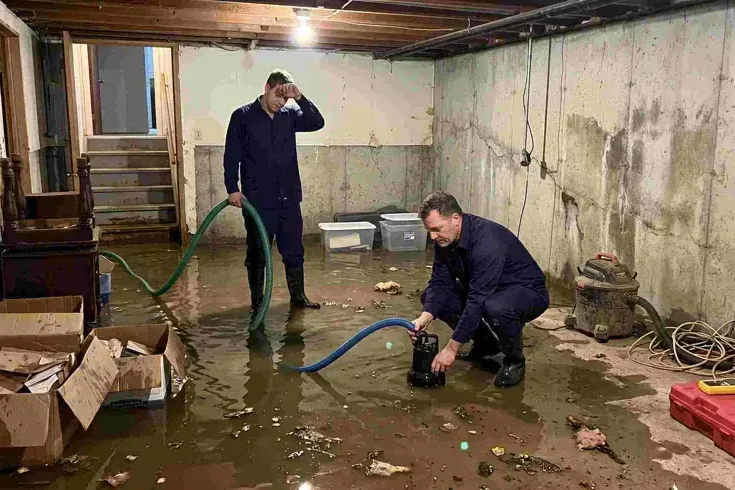
A room can look dramatically better after pumping while its floor layers remain saturated. Water extraction in Holbrook therefore starts with the visible accumulation and continues with an inspection of the surfaces that held it. The water source, amount of debris and available equipment route shape the work. A doorway photograph helps explain the initial condition, but direct assessment establishes how far moisture has traveled beneath belongings and finishes.
How water extraction and removal proceeds
Map the accumulation
Record the standing water boundary, likely entry point and affected belongings. Check adjoining rooms and low points so the removal plan accounts for areas hidden from the initial doorway view.
Set up removal
Position collection equipment and hoses along a protected route. Address access restrictions and coordinate source control before removing water from the deepest or most obstructed parts of the room.
Extract remaining pockets
Work along floor edges, beneath safely movable items and across accessible wet finishes. Reassess material condition as the water clears and exposes surfaces that were previously concealed by accumulation.
Hand off to drying
Document moisture remaining within floors and wall bases. Establish the drying area, required access and monitoring approach so the cleaned floor can progress toward verified readiness for subsequent repairs.
Follow the water beyond the open floor
Lake Holbrook connects with Trout Brook, which continues toward Sylvan Lake. At an affected building, the meaningful path is the route water took across the threshold, through a failed fixture or out of a concealed pipe. The assessment separates outside entry from an indoor supply escape because contamination and material contact influence how water and debris are handled.
- Check low points under movable contents where pooled water can remain after the center of the room is cleared.
- Inspect flooring seams and perimeter trim for moisture extending beyond the visible wet patch or the original puddle.
- Record any active inflow so the source repair can proceed alongside removal instead of allowing the room to refill.
Hoses and collection equipment need a safe working route. Wet steps, electrical equipment and occupied adjoining rooms are considered before extraction begins. Furniture may need controlled relocation to expose hidden pockets. Discharge arrangements must suit the water being removed and the property conditions; moving dirty water to an unsuitable location simply creates another cleanup problem.
Choose equipment for the material assembly
A pump addresses deeper accumulation, while extraction tools remove water from accessible floor surfaces. Absorbent layers need additional evaluation. Carpet backing, padding, wood seams and cabinet bases can hold moisture after the last visible water disappears. Material condition and contamination exposure determine whether those layers can remain for drying or need careful removal to expose a cleanable surface.
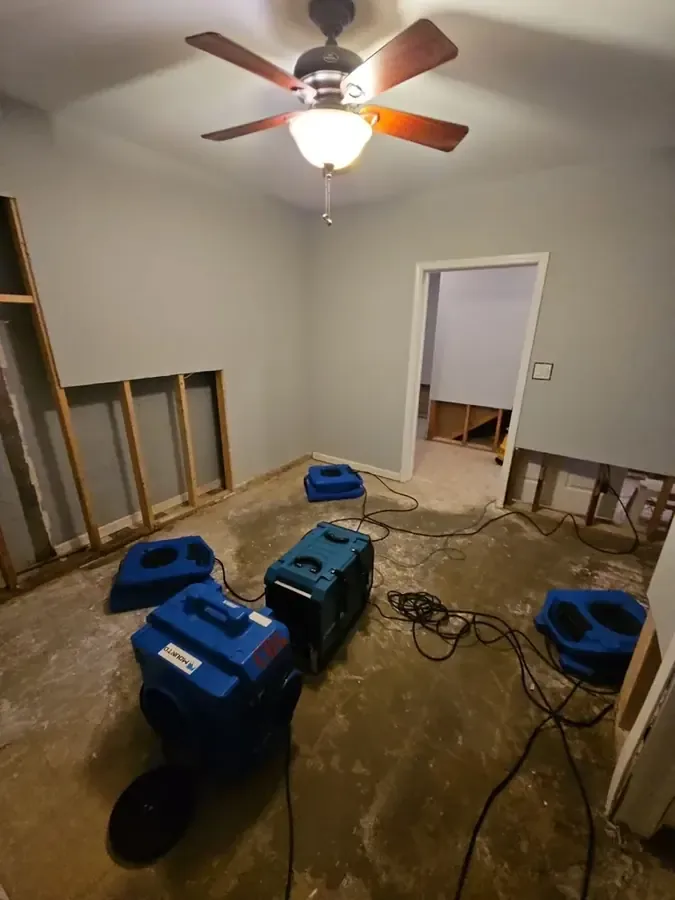
After extraction, readings establish the boundary of the remaining damage. The dry-out may involve a limited area or several connected cavities. Equipment is positioned around that boundary, with clear access for monitoring. Structural drying addresses the moisture retained in building materials after the liquid water has been removed from accessible spaces.
- Document where water collected and which surfaces remained wet after extraction tools passed over them.
- Keep wet contents separated from unaffected belongings while cleaning and salvage decisions are made.
- Compare adjacent materials before assuming the damage ends at a visible flooring transition.
A useful extraction assessment starts with the water depth, affected room and safest entrance. Describe those conditions so the removal plan can account for access.
(888) 480-6221Plan the water removalProtect the route into the room
Standing water can conceal electrical hazards and sharp debris. Occupants should stay on a dry route and avoid touching plugs, cords or equipment surrounded by water. A qualified professional should assess affected electrical systems before the area is used. Sewage or muddy outside water also requires restricted access and suitable contamination controls. Household vacuum cleaners are not appropriate for collecting floodwater. If the floor is unstable or the ceiling above it is sagging, the room should remain clear until those hazards are assessed and the work area is protected.
Safe observations still help: note whether water is rising, where it first appeared and which appliances were operating. Those details can narrow the investigation without requiring anyone to wade across the floor or dismantle a fixture.
Keep removal and repair decisions connected
The extraction record should show the original water boundary, the materials exposed and the next drying tasks. A cleared floor provides access for source repairs and moisture mapping, but replacement finishes belong later in the sequence. If water originated below the building or in a drain, that cause needs its own qualified investigation. A documented handoff keeps restoration focused on the affected interior while the appropriate repair trade addresses continued entry.
For general household precautions, see Ready.gov flood safety and the EPA household leak checks.
What does water extraction and removal cost in Holbrook, MA?
Water extraction in Holbrook commonly falls within the planning ranges below. Depth, equipment access, debris and the number of wet rooms influence the estimate; retained moisture and subsequent repairs require their own assessment.
Small accessible spill
$500 to $1,200
- Open floor access
- Limited pooled water
- Basic edge inspection
Several wet rooms
$1,200 to $2,500
- Connected room assessment
- More extraction passes
- Contents access planning
Deep or difficult water
$2,500 to $3,500+
- Challenging equipment routes
- Substantial standing water
- Additional debris handling
These ranges are estimates only. Water category, square footage, material class and the delay before drying affect the scope. The water damage cost calculator compares those variables before a property assessment.
What shapes the water extraction and removal plan
Access before equipment
The first assessment identifies a safe hose route, wet electrical concerns and areas that cannot yet be entered. This keeps removal work from creating new hazards in adjoining occupied rooms.
Source specific handling
Water from a supply connection is evaluated differently from dirty outside water. The inspection considers material contact and visible debris before choosing containment, extraction and cleaning arrangements for the affected floor.
Attention at the edges
Perimeters, thresholds and the spaces beneath contents receive their own inspection. These locations can retain water after the center of the room has cleared and may change the drying scope.
Clear next decisions
Findings explain which materials can stay, which need access and which require removal. The owner receives a practical sequence for source correction, remaining moisture control and later repair of the finishes.
Water extraction and removal coverage in Holbrook
Extraction assessments cover Holbrook properties in 02343. Access notes for North Shore Road or the area around Sylvan Lake should identify wet stairs, available entrances and the room holding water.
The same service nearby: water extraction and removal in Roslindale, Hyde Park, Norwood.
Related water damage services in Holbrook
Structural Drying
Material readings determine equipment placement and the end of the drying phase.
Service details ›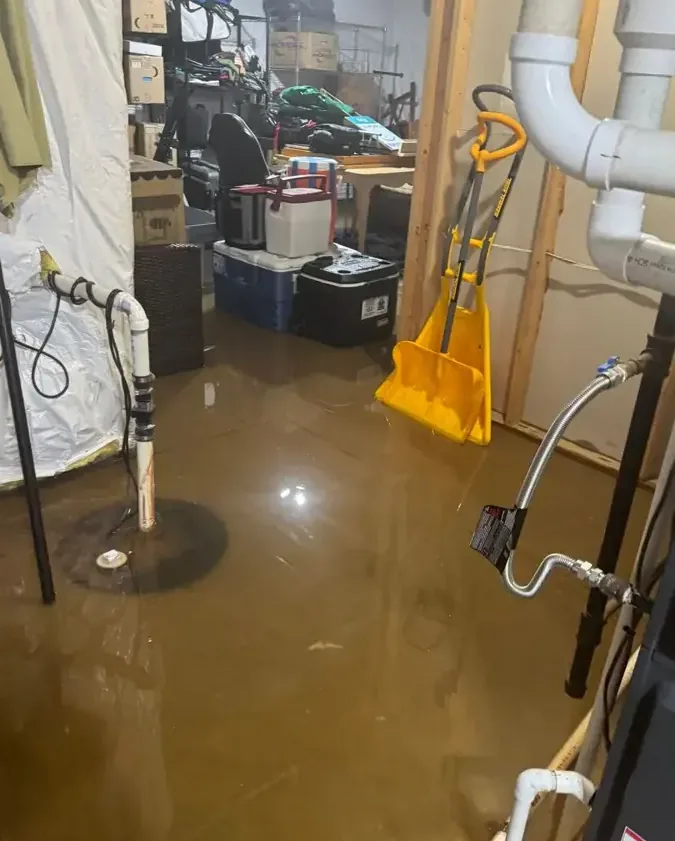
Basement Water Removal
Below-grade extraction starts with electrical clearance and the actual water entry route.
Service details ›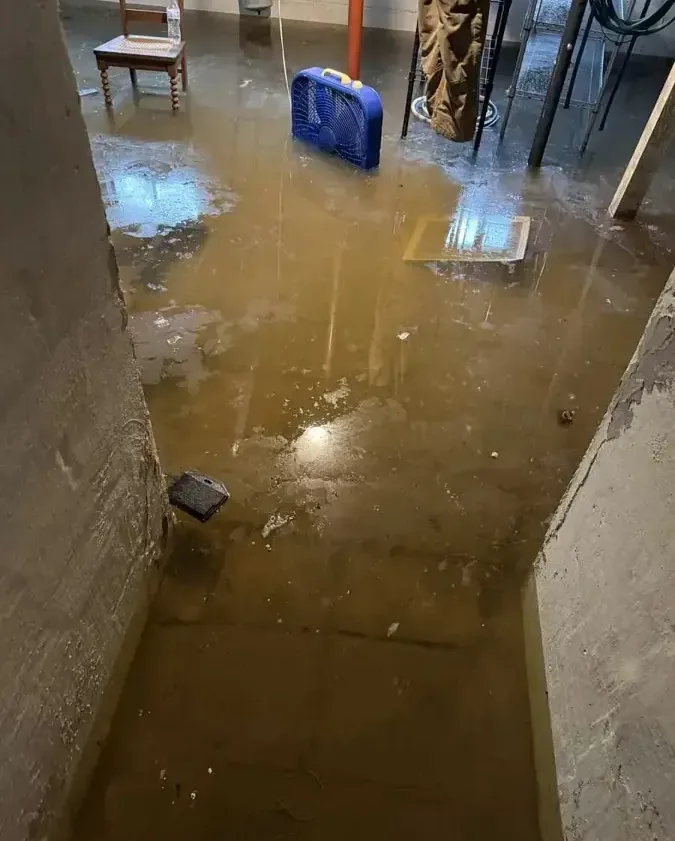
Storm and Flood Cleanup
Runoff brings a different cleaning problem from water released by a household pipe.
Service details ›Water Extraction and Removal questions
Is pumping enough when the floor looks clear?
Pumping removes accessible liquid, while flooring and wall materials may retain moisture. The next inspection checks those layers and adjoining spaces. If readings remain elevated, drying or material access follows. A clear walking surface is useful progress, but the restoration endpoint depends on the condition of the building materials beneath it.
Can furniture stay inside during extraction?
Some items can be protected or repositioned within a controlled work area. Others obstruct access to pooled water or have absorbed water themselves. Decisions depend on weight, material and contamination. Photographs should capture the original exposure before belongings are moved, with affected contents kept separate from dry storage.
What if the water keeps returning?
Continued entry changes the removal plan. A failed supply needs isolation and repair, while outside seepage or drain problems need investigation of their own cause. Extraction can manage accumulated water, but the drying area cannot be stabilized while a continuing source is adding moisture to the same materials.
Will every floor covering have to come up?
The decision depends on the floor assembly, water exposure and ability to reach retained moisture. Some coverings permit effective extraction and drying; others trap water or become unsuitable for retention. The inspection should explain the reason for any removal and document the material condition before work expands underneath.
How does muddy water change the work?
Sediment and contamination make cleaning and porous material decisions more significant. Access is controlled to avoid tracking dirty water into clean rooms. Removal equipment and discharge handling must suit the exposure. Drying starts after the affected surfaces have received the appropriate cleaning and unsuitable absorbent materials have been addressed.
What should be included in the extraction record?
A useful record includes photographs before and after removal, the source observations, affected rooms and materials, and remaining moisture findings. It also identifies restrictions that prevented complete access. This connects the visible improvement to the work still required and helps explain any later changes to the written scope.
Does a distant wet patch belong to the same leak?
Water can travel through connected floor layers or wall cavities before appearing elsewhere. Comparing the patch with surrounding materials helps establish continuity. The inspection should investigate both areas instead of assuming they are unrelated or identical. A moisture map records the observed boundary and supports the next source repair decision.
Clear the floor and assess underneath
Arrange a focused inspection of pooled water, remaining moisture and the materials that need attention after extraction.
(888) 480-6221Discuss extraction access