Storm and Flood Cleanup Holbrook, MA
Rainwater crossing an entrance can carry soil and debris into floor layers. Storm recovery organizes safe access, contaminated material handling and drying around the route water actually took through the building and its contents.
(888) 480-6221Assess the stormwater entry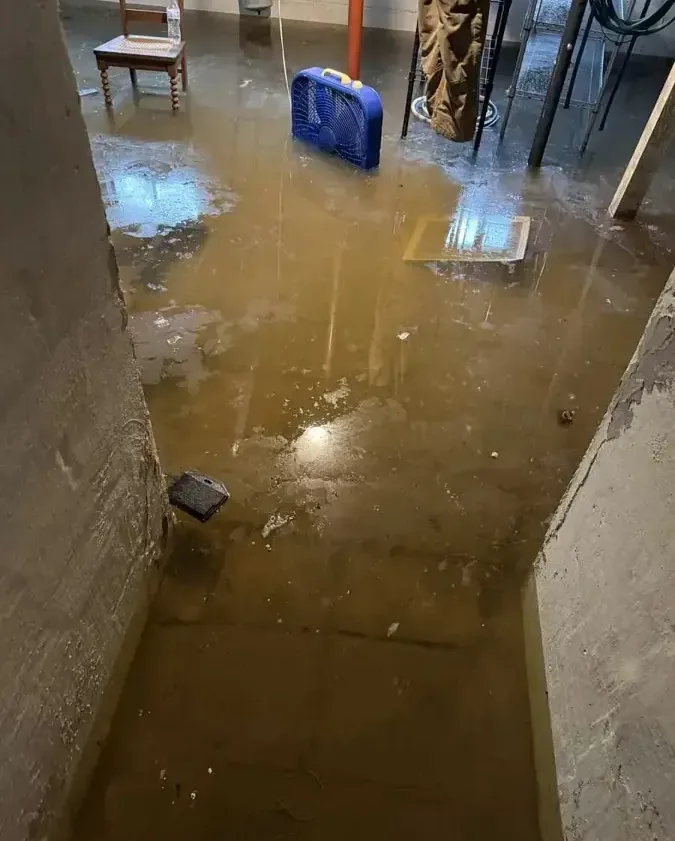
Outside water changes the character of an indoor loss. Soil, debris and contact with exterior surfaces affect how flooring and belongings are handled. Storm and flood cleanup in Holbrook starts with that exposure history, the present water level and the condition of the building. Clearing the puddles provides access, while cleaning and material decisions establish which parts of the interior can be retained for drying.
How storm and flood cleanup proceeds
Assess entry and access
Inspect the safe parts of the building and record continued inflow, debris and damaged surfaces. Establish equipment routes and separate the affected area before moving water or exposed contents through it.
Collect water and deposits
Remove accumulation with suitable equipment and handle sediment alongside affected debris. Open access to concealed wet edges where needed, keeping the removal scope tied to material condition and contamination exposure.
Clean and measure
Treat retained structural surfaces and inspect the newly exposed assembly. Moisture readings identify the remaining drying needs after visible water and deposits have been removed from the accessible interior surfaces.
Dry and coordinate repairs
Adjust equipment as retained materials respond, then document completion conditions. Keep exterior source corrections and replacement finishes coordinated so the recovered interior remains protected while later repair work is carried out.
Connect outdoor observations with the entry point
Trout Brook flows through Lake Holbrook and onward to Sylvan Lake. The town also publishes stormwater management information and tips for reducing runoff pollution. At an affected property, observations of the actual entry point help direct the investigation: water crossing a doorway, seeping at a joint or arriving through a damaged overhead assembly calls for different source repair work.
- Photograph the indoor water boundary from a safe position, including sediment deposits and affected contents near the entrance.
- Record whether water is still entering, collecting at a low point or draining away through another part of the building.
- Identify damaged exterior components for the appropriate repair trade without climbing onto wet surfaces or entering unstable areas.
The source record should remain tied to the observed event. An assessment of an interior room focuses on the water that reached its surfaces, the materials in contact with it and the access needed for cleanup. Those findings establish the immediate work area and the need for coordinated exterior repairs.
Remove sediment before drying retained materials
Outside water can deposit grit under furniture, within wall bases and across floor joints. Collection and debris handling are therefore planned together. Porous materials receive a specific assessment of contamination and physical condition. Unsuitable finishes are removed in a controlled manner so underlying cleanable surfaces can be reached without spreading dirty water into adjoining rooms.
After cleaning, moisture measurements define the drying zone. Equipment should address retained framing and floor layers rather than blow air across untreated deposits. A separated work area and clear equipment routes protect occupied spaces. Basement water removal may be part of the plan when the accumulated water has settled in a lower room with limited access.
- Inspect beneath stored contents where sediment and water can persist after the surrounding floor has cleared.
- Keep affected textiles and cartons away from dry belongings until their cleaning or disposal decisions are documented.
- Check hidden floor edges before treating a visibly clean center section as the full damage boundary.
Describe how outside water entered and where sediment remains. The inspection can then focus on safe access, exposed materials and the source repairs needed alongside interior recovery.
(888) 480-6221Discuss the outside water entryRespect changing conditions around the building
Flooded entrances, damaged electrical equipment and unstable building materials require restricted access. Occupants should avoid wading through water to retrieve possessions or operate equipment. Electrical systems exposed to water need assessment by a qualified professional. Muddy water should be treated with suitable contamination controls, and routine household fans should remain away from untreated affected materials. Exterior inspection should wait for safe conditions; climbing onto a wet roof or crossing flowing water introduces additional hazards. A description or photograph from a dry position can still help organize the initial assessment.
Continued entry needs a repair plan of its own. Interior drying can only progress reliably when incoming water is controlled and cleaned surfaces remain protected from renewed exposure.
Keep the recovery record usable
Photographs before cleanup, removal notes and moisture measurements show the sequence from initial flooding to repair readiness. Contents decisions should identify exposure and material condition. The final scope separates interior restoration from drainage, roofing or other source corrections. This allows each responsible trade to understand what has been completed and what still needs attention before replacement finishes close the affected areas.
For general household precautions, see Ready.gov flood safety and the EPA household leak checks.
What does storm and flood cleanup cost in Holbrook, MA?
Storm cleanup estimates in Holbrook reflect contamination, sediment, affected rooms and access. These planning ranges cover interior recovery; exterior entry repairs, drainage work and replacement finishes need separate descriptions in the project scope.
Limited outside entry
$2,500 to $4,500
- Localized water removal
- Small sediment area
- Accessible cleaning surfaces
Several affected interiors
$4,500 to $8,000
- Expanded contents handling
- Multiple wet assemblies
- Broader cleaning controls
Extensive flood exposure
$8,000 to $12,000+
- Substantial porous removal
- Complex equipment access
- Large retained structure
These ranges are estimates only. Water category, square footage, material class and the delay before drying affect the scope. The water damage cost calculator compares those variables before a property assessment.
What shapes the storm and flood cleanup plan
An entry focused inspection
The initial visit links the indoor water boundary to the observed outside entry. This helps define the cleanup area and identifies which exterior repair questions need attention from the appropriate trade.
Controlled sediment handling
Dirty water and deposits are collected with attention to clean routes and adjoining rooms. Debris movement is organized so removal does not track contamination through spaces that remained dry during the event.
Practical salvage decisions
Floor coverings, contents and wall materials are evaluated individually. The record explains what can be cleaned and retained, and which porous or damaged materials need removal before drying can proceed effectively.
Progress visible in records
Photographs and moisture findings connect each stage of the work. They help the owner understand the remaining wet assembly, replacement needs and conditions that must be resolved before normal room use resumes.
Storm and flood cleanup coverage in Holbrook
Storm damage assessment is available across Holbrook, including properties around Lake Holbrook and North Shore Road. Describe the entry point, continuing inflow and safe equipment route when discussing water inside the building.
The same service nearby: storm and flood cleanup in Roslindale, Hyde Park, Norwood.
Related water damage services in Holbrook
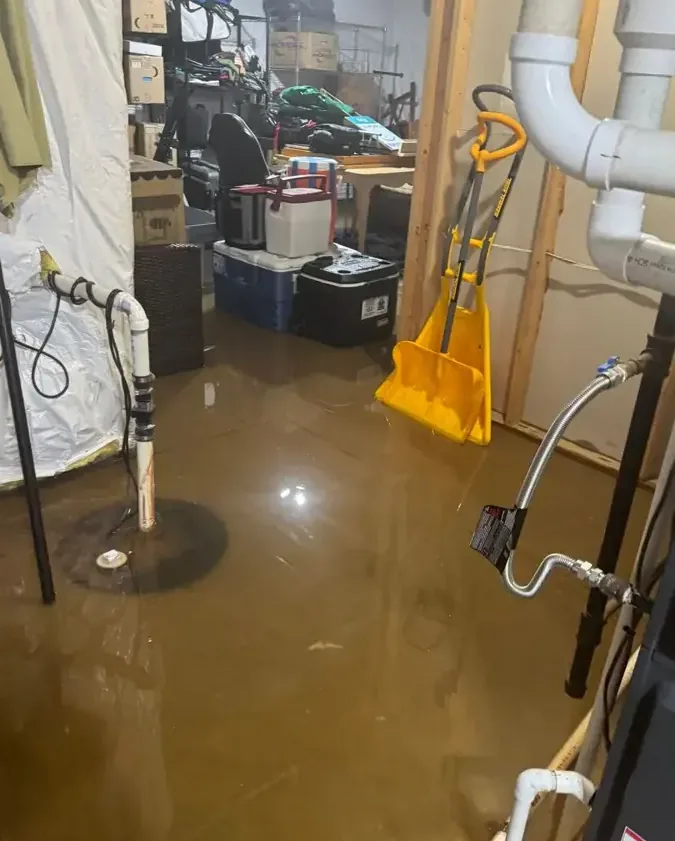
Basement Water Removal
Below-grade extraction starts with electrical clearance and the actual water entry route.
Service details ›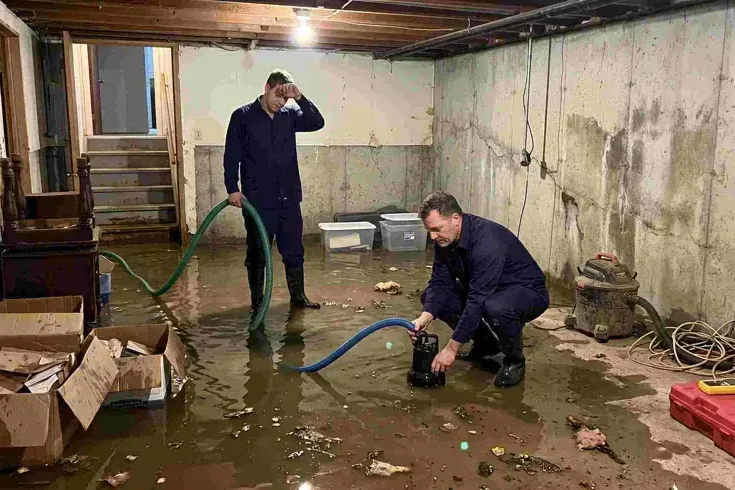
Water Extraction and Removal
Pumps remove pooled water while extraction tools reach carpet, floor joints and low spots.
Service details ›
Structural Drying
Material readings determine equipment placement and the end of the drying phase.
Service details ›Storm and Flood Cleanup questions
Why is outside water handled differently from a fixture leak?
Outside water can carry sediment and contamination picked up before entering the building. Its contact with porous materials changes cleaning and retention decisions. The scope therefore considers the water route and exposed surfaces rather than treating the event as a simple spill that only requires pumping and ordinary room ventilation.
Can cleanup begin while rain continues?
Safe access and continued entry determine what work can proceed. Collection may address accumulated water, but unresolved inflow can rewet cleaned materials. The restoration plan should identify the remaining source problem and coordinate protective or repair measures with the appropriate trade before relying on interior drying to finish the recovery.
Does a nearby waterway identify the flood source?
The inspection follows the entry observed at the property. Useful details include the doorway, joint or damaged component where water appeared and how it moved indoors. Local geographic context helps describe the location, while direct observations and material findings establish the cleanup scope for the building that was actually affected.
Should muddy carpet be dried in place?
Carpet and its underlying layers need assessment for contamination and physical condition. Drying alone does not address sediment or unsuitable porous material. The written scope should explain the proposed handling, including removal when effective cleaning is impractical, and identify the underlying surfaces that require treatment before controlled drying begins.
Which photographs are useful after the water recedes?
Images of sediment marks, exposed floor edges, displaced contents and the suspected entry point preserve information that cleanup will change. Take them from a safe route and include wider room views. Photographs should support the inspection without requiring occupants to touch wet electrical components or enter unstable parts of the building.
Can storage items be moved to an unaffected room?
Affected items should be assessed and separated before relocation. Wet cartons and dirty furniture feet can transfer contamination to clean flooring. A controlled route and suitable protection help preserve unaffected areas. Contents records should identify their original position, visible exposure and the cleaning or disposal decisions made during the project.
What needs completion before the room is repaired?
Source control, appropriate removal and cleaning, and verified drying of retained materials come before new finishes. The work record should also state any inaccessible area or continuing entry concern. Exterior repairs and interior replacement work can then be coordinated around a clear description of what has already been restored.
Recover the rooms reached by runoff
Arrange a cleanup assessment for water removal, contamination handling and drying of the retained interior structure.
(888) 480-6221Plan storm affected room recovery