Water Heater Leak Cleanup Holbrook, MA
Water beside a heater can spread under storage and into neighboring finishes. Cleanup follows that path after the equipment is made safe, separating tank repair or replacement from the recovery of the wet room.
(888) 480-6221Assess the wet utility area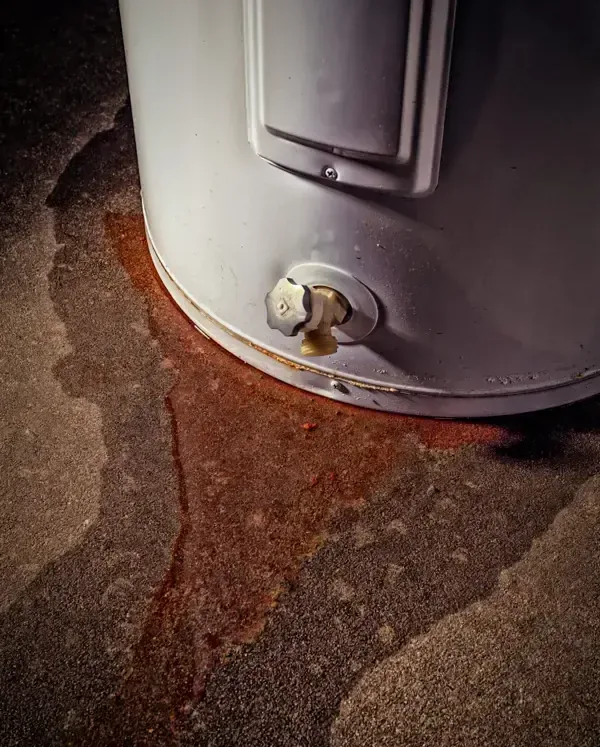
A utility area can conceal a heater leak behind stored belongings long before water reaches a doorway. Cleanup in Holbrook begins by making the equipment area safe and identifying the surfaces that received water. A replacement tank solves a different problem from wet wall bases or saturated floor coverings. Both tasks need coordination so the new equipment is not installed over an unresolved interior moisture problem.
How water heater leak cleanup proceeds
Check the equipment condition
Establish safe access and the status of source control with the responsible trade. Record visible water, affected storage and any restrictions around the heater before planning collection or material inspection.
Clear and extract
Relocate suitable contents along a safe route and remove accessible pooled water. Inspect the newly exposed floor and wall bases to identify damage that was hidden beneath storage or equipment.
Assess adjoining finishes
Measure connected floor layers and nearby partitions, then decide what can remain for drying. Arrange access to wet edges and coordinate any equipment movement needed to reach the tank footprint.
Verify and hand off
Track retained material moisture and document the condition before new finishes or equipment cover it. Identify outstanding replacement tasks and preserve the source repair record alongside the completed drying findings.
Inspect beyond the circle around the heater
Water follows floor slopes, joints and objects resting on the surface. The visible puddle beside a tank may therefore understate the affected area. Inspection includes the lower parts of partitions, stored cartons and adjoining thresholds. Moving belongings safely exposes hidden pockets and allows the original water boundary to be documented before extraction changes the appearance of the room.
- Note whether water is still collecting and tell the equipment professional about any visible discharge or changed tank condition.
- Photograph storage touching the wet floor before deciding which items can move into a clean area.
- Check the adjoining room when a doorway or floor seam provides a route beyond the utility space.
The Tri-Town Regional Water Treatment Plant supplies the town's drinking water. Its startup notice identified temporary pressure changes and discoloration, with questions directed to the Holbrook Department of Public Works. A leaking heater needs a direct equipment assessment that identifies the failed component and appropriate repair. The interior cleanup record follows the escaped water and the materials actually exposed.
Coordinate equipment work with floor recovery
The responsible trade determines whether the tank or a connected component requires repair or replacement. Restoration personnel assess the surrounding interior. Equipment movement can expose previously hidden wet flooring, so the sequence should allow inspection of that area before it is covered again. A short handoff between tasks can prevent the tank footprint from becoming an inaccessible moisture pocket.
Accessible water is extracted and affected finishes are evaluated. If the utility room connects to finished living space, the moisture map extends across that threshold. Structural drying addresses retained framing and floor layers once the source is controlled. Monitoring should include perimeter locations and the area uncovered during equipment work, not only the open center of the floor.
- Identify absorbent wall bases and stored materials that remained in contact with pooled water.
- Keep the heater repair scope distinct from drying, material removal and later replacement finishes.
- Document any location that cannot be inspected until the equipment is safely moved by the responsible trade.
Describe the tank location and nearby wet materials. A coordinated assessment can connect equipment repair with extraction and inspection of the surrounding utility area.
(888) 480-6221Discuss water beside the tankLet the equipment professional handle controls
A wet heater area can combine hot water, electrical components and other equipment hazards. Occupants should avoid touching controls, plugs or nearby powered devices while standing on a wet floor. The appropriate qualified trade should assess equipment isolation and repair. A heavy tank should not be dragged aside to reach water underneath. Keep the route clear, describe any visible discharge from a safe position and leave access around damaged components undisturbed until the work is planned. Water removal must account for those hazards before equipment enters the space.
Belongings can be reviewed after access is safe. Separating damp cartons from dry storage helps preserve the unaffected area and makes the contents record easier to follow.
Return the utility space to a measurable condition
Lake Holbrook and North Shore Road are familiar town references, but the recovery endpoint is specific to the room. Retained materials need suitable moisture conditions before new finishes or equipment conceal them. The final notes should connect the tank work with extraction, access limitations and completed drying. That sequence leaves a useful record for the owner and the trades restoring the utility area's normal function.
For general household precautions, see Ready.gov flood safety and the EPA household leak checks.
What does water heater leak cleanup cost in Holbrook, MA?
Heater leak cleanup estimates in Holbrook depend on utility access, hidden floor wetting and adjoining room damage. These ranges describe interior recovery; tank repair or replacement and new finishes need separate pricing.
Small utility-area loss
$800 to $1,600
- Open floor collection
- Localized storage access
- Limited perimeter checks
Adjacent room spread
$1,600 to $3,000
- Threshold moisture mapping
- Additional finish assessment
- Expanded drying zone
Concealed or broad wetting
$3,000 to $4,500+
- Hidden floor access
- Multiple material layers
- Complex equipment coordination
These ranges are estimates only. Water category, square footage, material class and the delay before drying affect the scope. The water damage cost calculator compares those variables before a property assessment.
What shapes the water heater leak cleanup plan
Safe equipment coordination
The heater's repair professional addresses isolation and the failed component. Restoration planning accounts for that work before moving water, opening finishes or trying to inspect surfaces beneath heavy equipment in the room.
Storage aware inspection
Utility rooms often contain objects that obscure the water boundary. Their condition and movement are documented so hidden wet floor areas can be reached without mixing affected belongings into dry storage.
Threshold moisture checks
A puddle can travel beneath a door or into a connected floor seam. The inspection extends into adjoining finished areas where the observed route indicates that water may have spread beyond the tank.
A complete tank footprint
The area revealed during equipment movement receives its own assessment. Coordinating that inspection with replacement work helps ensure wet materials are not covered by the new tank before their recovery is addressed.
Water heater leak cleanup coverage in Holbrook
Heater leak recovery serves Holbrook properties near North Shore Road, Sylvan Lake and throughout 02343. Describe the equipment location, nearby storage and whether water has reached finished rooms beyond the utility space.
The same service nearby: water heater leak cleanup in Roslindale, Hyde Park, Norwood.
Related water damage services in Holbrook
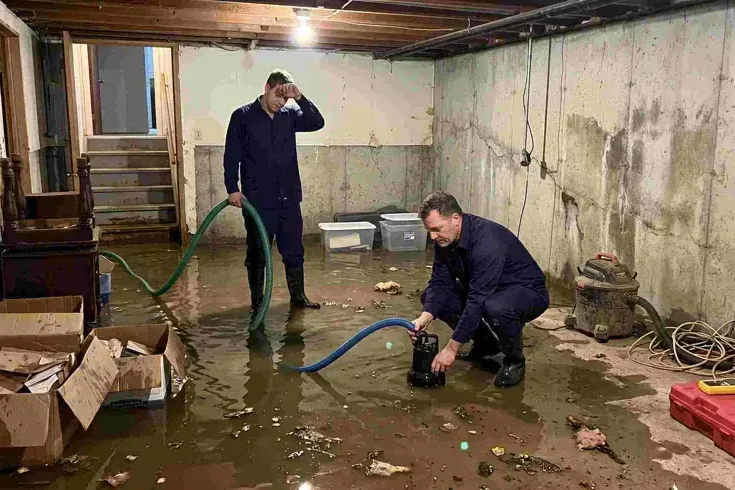
Water Extraction and Removal
Pumps remove pooled water while extraction tools reach carpet, floor joints and low spots.
Service details ›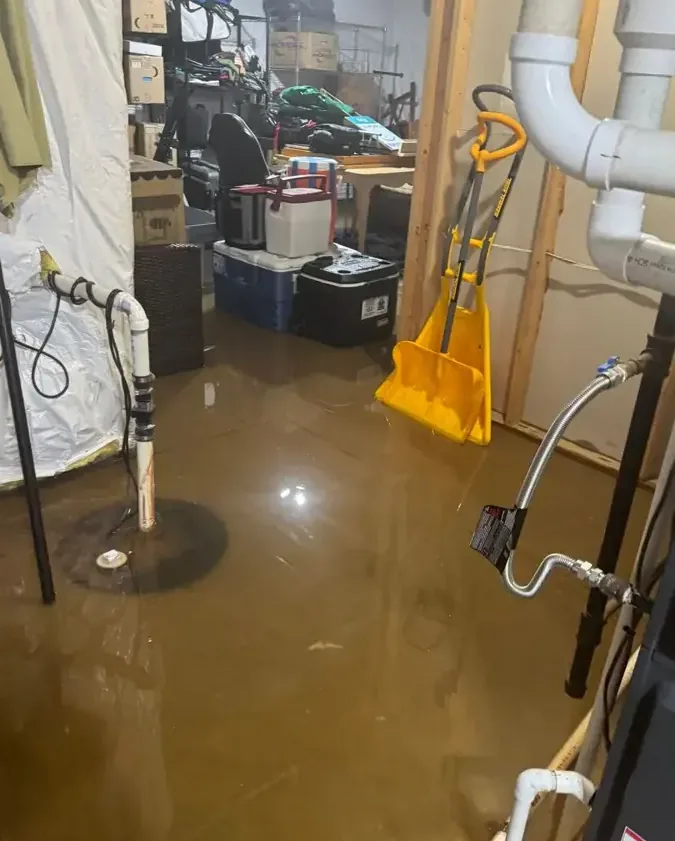
Basement Water Removal
Below-grade extraction starts with electrical clearance and the actual water entry route.
Service details ›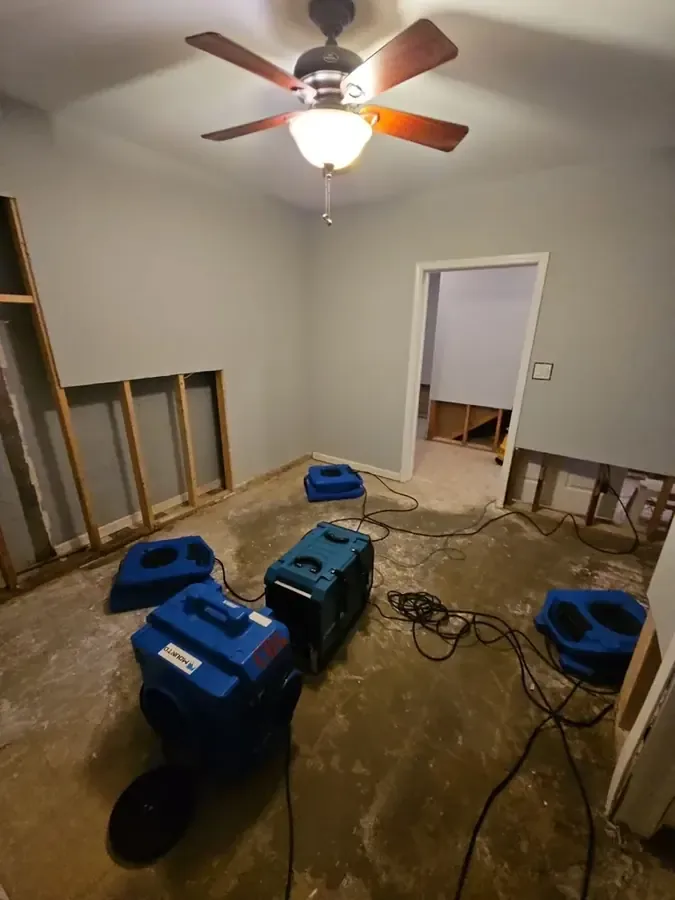
Structural Drying
Material readings determine equipment placement and the end of the drying phase.
Service details ›Water Heater Leak Cleanup questions
Should the tank be moved to reach the puddle?
A water heater is heavy and connected to building systems. Movement should be handled by the appropriate trade after equipment safety is assessed. The restoration sequence can then include the newly exposed floor. Attempting to drag the tank aside may damage connections and complicate both the leak and the interior recovery.
Can the room still need drying after a tank replacement?
Yes. Replacing failed equipment does not remove water absorbed by flooring, partitions or stored contents. Those materials require a separate assessment. Coordinating their inspection before the new tank covers the same area helps identify trapped moisture and establishes the drying or material repair needed around the completed equipment work.
What if the puddle appears small?
The visible area may be only part of the loss. Water can travel along joints or remain beneath storage without forming a large open puddle. Checking the perimeter, tank footprint and connected rooms helps establish the scope. The amount of visible water should be considered alongside the condition of the surrounding materials.
Does rust colored water identify the failed part?
Water appearance is an observation to share with the equipment professional, but diagnosis requires direct assessment. The cleanup inspection focuses on where the escaped water traveled and what it touched. Keeping the equipment finding separate from the material recovery record helps each responsible trade address the part of the work within its scope.
Can wet boxes be returned to the utility area?
Their material and contents need assessment before returning to storage. Damp cartons can obscure a wet floor and transfer moisture to other belongings. Photograph their exposure, separate them from dry items and keep the area open for monitoring. Storage should return after the relevant drying and cleanup decisions have been completed.
Who handles questions about town water appearance?
The plant startup notice directs discoloration questions to the Holbrook Department of Public Works. A leaking heater still needs an equipment professional to inspect its components. Interior restoration then addresses the surrounding wet materials, with the source repair and material recovery documented as connected but distinct parts of the project.
When can the utility floor be covered again?
Replacement flooring or another covering follows source correction and suitable moisture conditions in the retained assembly. The tank footprint and wall edges deserve attention because access may become difficult afterward. The drying record should identify those areas and any remaining limitations before equipment or finishes conceal the previously wet surface.
Recover the utility room around the heater
Arrange an assessment of floor edges, adjoining finishes and the drying needed after the equipment problem is addressed.
(888) 480-6221Plan utility area drying