Sewage Backup Cleanup Holbrook, MA
A drain overflow changes how an affected room must be handled. Containment, removal of unsuitable porous materials and thorough cleaning come before the remaining structure can be evaluated for drying and repair.
(888) 480-6221Plan contaminated room cleanup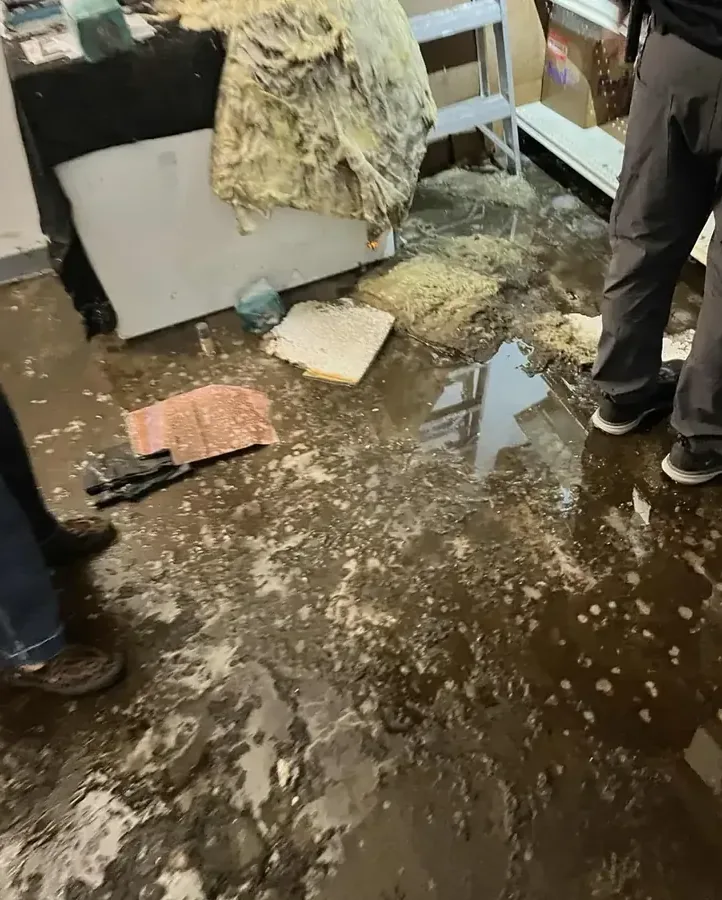
Sewage on a bathroom floor can reach more than the obvious splash area. Movement through a doorway, under trim or into stored contents enlarges the cleaning task. In Holbrook, the inspection begins with the affected fixture and the path of the overflow. Access control keeps the contaminated zone separate while the drain problem is investigated and the materials that received water are assessed for cleaning or removal.
How sewage backup cleanup proceeds
Establish a protected zone
Identify exposed rooms and the clean route available for workers and equipment. Restrict routine entry and document the initial water path before moving contents or beginning contaminated material removal.
Remove water and debris
Collect standing water with suitable equipment and handle affected porous materials according to their condition. Keep waste movement controlled while exposing the surfaces that require direct cleaning and inspection.
Clean retained building surfaces
Treat accessible structural materials after removal reveals the affected area. Reassess hidden edges and cavities, then establish drying arrangements that account for the cleaned zone and adjoining occupied rooms.
Confirm the remaining scope
Record moisture conditions, cleaning work and any limitations in access. Coordinate the drain repair status with replacement finishes so the room progresses toward normal use in a deliberate, documented sequence.
Separate drain problems from supply questions
The Holbrook Department of Public Works is the contact identified for discoloration questions in the Tri-Town water plant startup notice. An overflowing household drain needs its own investigation of the actual discharge problem. Information about drinking water appearance should remain separate from the record of contaminated water escaping inside a building, where fixture use and the observed overflow provide the starting points.
- Record which fixture overflowed and whether additional water use elsewhere causes the discharge to rise or spread again.
- Keep shoes, cleaning tools and wet belongings from carrying contamination along a hallway into unaffected living areas.
- Identify absorbent flooring, wall bases and storage containers that were directly exposed before their condition changes during cleanup.
North Shore Road and the intersection of Routes 37 and 139 are useful location references when arranging access. At the building, the critical details are the wet entrance, any shared passage and the location of usable facilities. A controlled work route may be needed before removal equipment or bagged debris can pass through occupied parts of the property.
Make material decisions before running fans
Porous finishes can retain contaminated water beyond the reachable surface. Padding, damaged wallboard and saturated cardboard need specific assessment rather than a quick wipe. Cleanable structural surfaces are exposed as required, then treated using an appropriate cleaning process. The scope should explain both the extent of removal and the reason a retained material can be handled effectively.
Drying follows cleaning and source control. Blowing air across untreated sewage affected materials can spread contamination into adjacent areas. A protected setup accounts for airflow, debris handling and access by residents. Once those controls are established, moisture checks determine which retained framing or floor components still need drying and where concealed water might remain behind an apparently clean surface.
- Separate salvageable contents from items unsuitable for cleaning before moving either group toward dry storage.
- Inspect lower wall cavities where overflow reached porous finishes or entered through an open seam.
- Record cleaned surfaces and retained wet materials so the subsequent drying scope remains specific.
Describe the overflowing fixture and the rooms it reached. Cleanup planning starts with access restrictions, continued discharge and the materials exposed to contaminated water inside the building.
(888) 480-6221Discuss the sewage affected areaKeep the affected space out of routine use
Occupants and pets should stay outside sewage affected rooms until the area has been assessed and treated appropriately. Avoid using fixtures that cause another overflow, and do not mix household cleaning chemicals in an attempt to treat the water. Wet electrical components require assessment by a qualified professional. Handling contaminated debris without suitable protection can spread exposure beyond the initial room. Photographs from a clean doorway are useful, but entering the water to retrieve belongings or test a blocked drain adds avoidable hazards during the first response.
The responsible plumbing trade determines the cause of the backup and the needed repair. Cleanup documentation should identify any continuing discharge so no finished drying area is put back into service while the source can still overflow.
Reopen only after the whole sequence
The recovery record connects drain repair, removal, cleaning and drying. Each step answers a different problem, and a deodorized room still needs verification of material condition. Water removal may clear the accumulation, while the contamination scope determines what can remain. Final notes should describe treated areas, retained materials and any replacement work that remains before normal use of the room resumes.
For general household precautions, see Ready.gov flood safety and the EPA household leak checks.
What does sewage backup cleanup cost in Holbrook, MA?
Sewage cleanup in Holbrook depends on contamination spread, porous material removal and safe access. These estimated ranges describe interior recovery; drain investigation, source repair and replacement finishes should be itemized separately.
Contained bathroom area
$2,000 to $4,000
- Defined exposure boundary
- Limited finish removal
- Accessible surface cleaning
Several contaminated rooms
$4,000 to $7,000
- Protected debris route
- Additional porous materials
- Broader drying setup
Extensive concealed spread
$7,000 to $10,000+
- Hidden cavity access
- Complex contents handling
- Expanded cleaning scope
These ranges are estimates only. Water category, square footage, material class and the delay before drying affect the scope. The water damage cost calculator compares those variables before a property assessment.
What shapes the sewage backup cleanup plan
Clear contamination boundaries
A defined work area helps keep unaffected rooms usable. Entry routes, contents handling and debris movement are planned together so cleanup does not transfer dirty water into otherwise dry parts of the building.
Material specific decisions
Porous finishes and cleanable structural surfaces receive different treatment. The assessment explains removal decisions with photographs and exposure details instead of assuming every material can be restored by surface cleaning alone.
Coordination with drain repairs
The cleanup scope tracks continued overflow and the status of source correction. That coordination prevents cleaned spaces from receiving another discharge while retained materials are being prepared for controlled drying.
Documented return to use
Cleaning records and moisture findings describe the condition left behind. Remaining replacement work and access restrictions are identified so the owner understands which parts of the recovery sequence still need completion.
Sewage backup cleanup coverage in Holbrook
Sewage cleanup planning serves Holbrook in ZIP 02343, including properties near North Shore Road and Routes 37 and 139. Describe the affected fixture, current overflow and access restrictions during the initial discussion.
The same service nearby: sewage backup cleanup in Roslindale, Hyde Park, Norwood.
Related water damage services in Holbrook
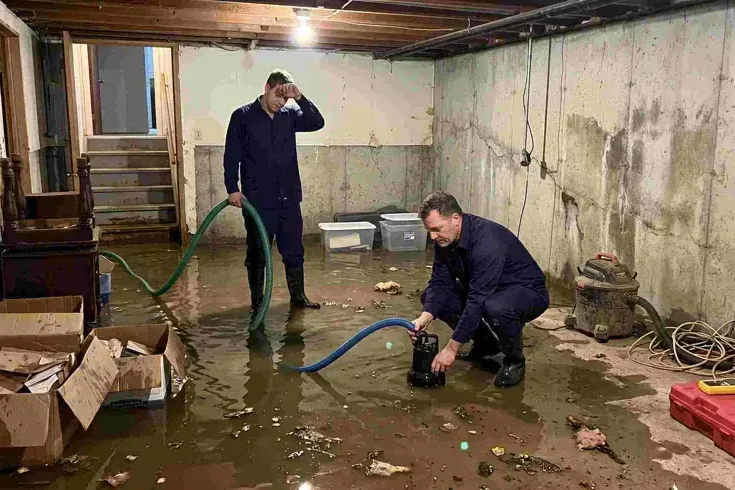
Water Extraction and Removal
Pumps remove pooled water while extraction tools reach carpet, floor joints and low spots.
Service details ›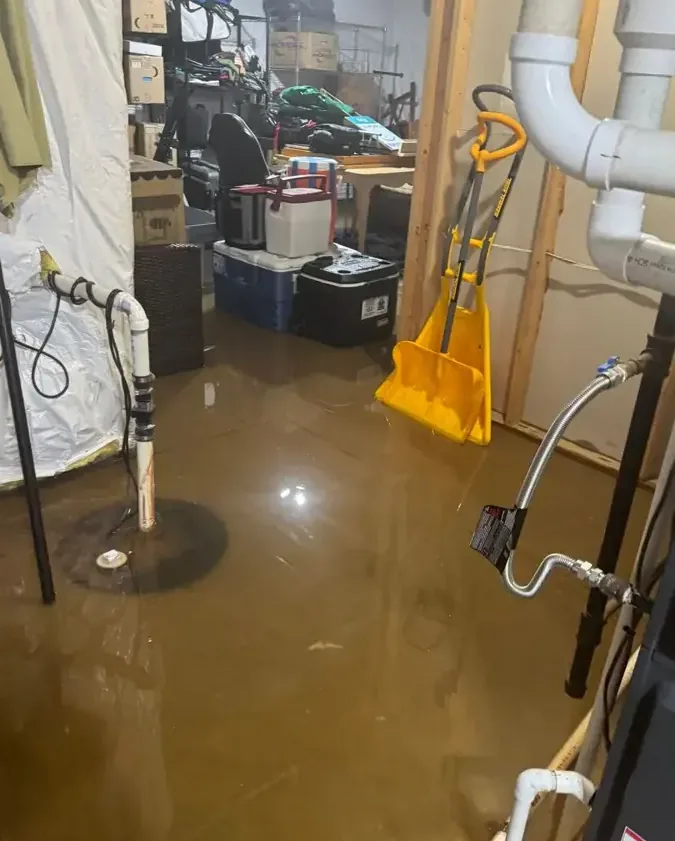
Basement Water Removal
Below-grade extraction starts with electrical clearance and the actual water entry route.
Service details ›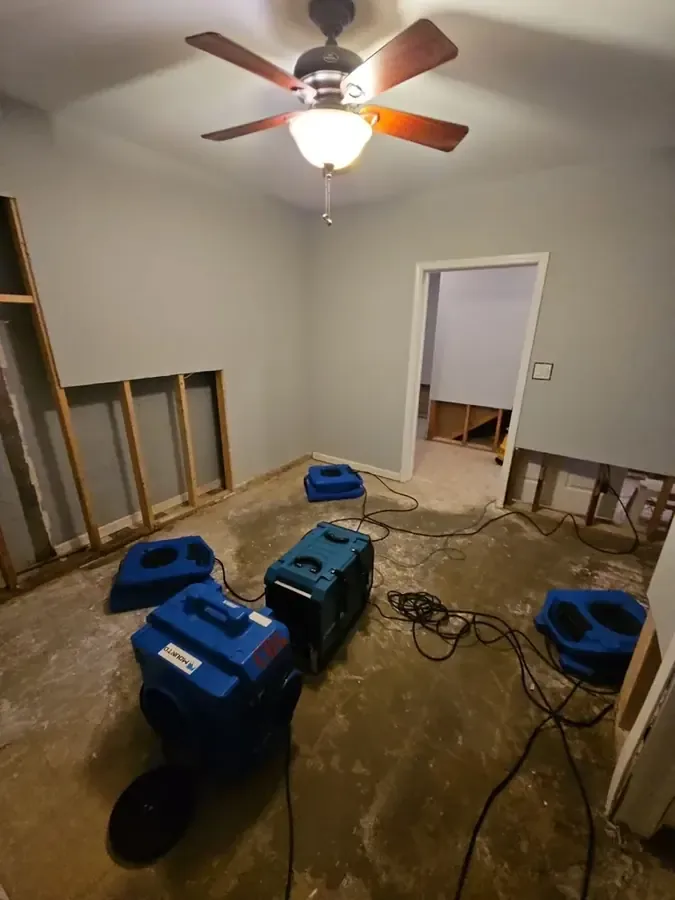
Structural Drying
Material readings determine equipment placement and the end of the drying phase.
Service details ›Sewage Backup Cleanup questions
Should fixtures still be used after a backup?
Fixtures that contribute to renewed discharge should remain out of use until the drain problem has been assessed. A qualified plumbing professional can determine the repair and safe operating conditions. Cleanup personnel need to know about any continuing overflow before beginning removal, cleaning or drying inside the affected area.
Can ordinary fans dry a sewage affected room?
Air movement should not begin across untreated contaminated materials. The space first needs access controls, removal decisions and appropriate cleaning. After those tasks, a drying setup addresses moisture in retained structural components. The equipment plan should protect adjoining clean rooms and allow monitoring without unnecessary movement through the affected zone.
Does tile make the entire floor washable?
The visible tile surface is only part of the assembly. Grout joints, perimeter gaps and underlying layers may permit contaminated water to reach less accessible materials. Inspection considers that path and the duration of exposure. Cleaning the top surface alone may leave affected material beneath or beside the finished floor.
What happens to wet cardboard boxes?
Cardboard absorbs liquid and is difficult to clean effectively after sewage exposure. The contents need separate assessment based on their material and condition. Photographing the original placement and affected items helps document decisions. Moving soaked boxes through living areas without a controlled route can spread contaminated moisture into otherwise clean rooms.
Is a lingering odor the only sign of incomplete cleanup?
Odor is one observation, but the work must also account for contaminated surfaces, hidden material exposure and remaining moisture. A room may smell improved while porous layers remain affected. The completion discussion should explain the cleaning performed, materials removed and drying findings rather than relying only on the air's appearance or smell.
Does the water plant notice explain a sewage backup?
The plant startup notice addresses drinking water changes, including discoloration and temporary pressure changes. A drain overflow requires inspection of the fixture discharge and the affected interior. Keeping those records separate helps the appropriate repair trade investigate the actual problem and keeps the restoration scope focused on the materials exposed indoors.
When can replacement wall material be installed?
Replacement follows source correction, suitable cleaning of retained surfaces and verification of drying conditions. Any concealed area receiving contaminated water must be addressed before it is closed. The final work record should identify the treated cavity, remaining access limitations and the repairs required to return that room to normal use.
Restore a controlled, clean interior
Arrange an assessment that connects drain repair status with removal, cleaning and the drying of retained materials.
(888) 480-6221Plan the contamination recovery