Burst Pipe Water Damage Holbrook, MA
A split supply pipe can wet a concealed cavity before water reaches the room. Recovery follows the escaping water through connected materials after the supply is isolated and the failed component receives proper repair.
(888) 480-6221Assess the ruptured pipe damage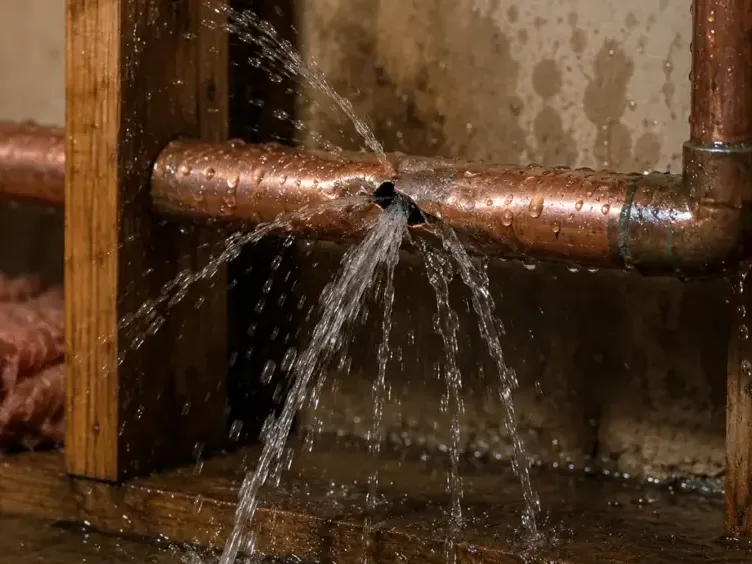
A sudden spray is easy to recognize; a pipe rupture behind a wall may first appear as a wet floor or an overhead stain. Burst pipe recovery in Holbrook begins with controlling that active supply and finding the interior water path. The broken component and the resulting material damage need coordinated attention. A repaired fitting stops new water, while the surrounding insulation, framing and finish layers may still require substantial drying.
How burst pipe water damage proceeds
Confirm source control
Review the pipe repair status and identify any continuing water flow. Record visible damage and access hazards before setting up removal equipment in rooms connected to the failed supply component.
Trace the interior spread
Measure walls, floor edges and areas beneath the pipe route. Compare connected cavities to define the drying boundary and identify materials needing controlled opening before retained water can be reached.
Remove and stabilize
Extract liquid water, assess damaged finishes and expose necessary wet layers. Arrange airflow and dehumidification around the retained assembly while protecting occupied areas from equipment routes and loose repair edges.
Check before enclosure
Monitor the response of framing and finish layers over the drying period. Document the endpoint and any additional repair needs before wallboard, trim or flooring obscures the affected cavity again.
Build a timeline around discovery
Many residents commute to Greater Boston, with rail service available at the Holbrook/Randolph Rail Station. When a leak is found after time away, the last dry observation is useful. Record running fixtures, the room first noticed and any subsequent change. These details help the inspection focus on connected areas without guessing how long every material has been wet.
- Identify the safe shutoff location and tell the repair professional whether isolation stopped the visible flow completely.
- Photograph stains and pooled water before cleanup changes the room, keeping clear of wet electrical equipment and unstable surfaces.
- Check accessible adjoining spaces for water at thresholds, lower walls or ceilings beneath the suspected pipe route.
Routes 37 and 139 intersect at the town center, and North Shore Road provides another familiar location reference. Inside the property, equipment access matters more than a landmark: wet stairs, narrow passages and fixed storage affect how quickly the affected assembly can be reached. Those restrictions belong in the first discussion so the work area can be planned around actual conditions.
Separate the pipe opening from the wet boundary
The small opening used for a plumbing repair may expose only part of the damage. Pressurized water can enter insulation or move along framing before appearing in another room. A restoration assessment measures beyond the repair opening and compares neighboring surfaces. The scope expands where findings show additional wet materials, with photographs explaining why access is needed.
Extraction clears liquid from accessible floors, while unsuitable finishes are evaluated for removal. Retained framing and floor layers then receive controlled drying. The aim is a measurable change in the affected assembly, with equipment adjusted to areas that remain wet. Ceiling damage assessment may be needed when a pipe escape has traveled downward through the floor above.
- Inspect insulation that can retain water against framing after the visible spray has ended.
- Examine cabinet backs and wall bases where the pipe path connects with fixed interior fittings.
- Document moisture readings before replacement trim or wallboard closes the repair area again.
Report the pipe location, shutoff status and rooms showing water. Those details help organize a recovery assessment around the actual spread and available access inside the building.
(888) 480-6221Review the pipe escapeKeep active water away from electrical hazards
Reaching a shutoff is appropriate only when the route is safe. Occupants should not cross standing water to touch an electrical panel, unplug an appliance or investigate a pipe behind powered equipment. A qualified professional should address affected electrical systems and the plumbing failure. Wet ceilings can become unstable and should not be pressed or punctured from below. Keep people out of the affected space while the hazard is assessed, and use photographs from a dry position to describe the visible damage without entering the water.
When the water stops, leave damaged components available for documentation if the repair professional considers that appropriate. A clear record of the failure and the initial room condition helps connect emergency repair work with the later restoration scope.
Close the cavity after the moisture work
The repair sequence should leave access for drying checks before new finishes are installed. Final readings, photographs and the source repair record explain why retained materials are ready for the next trade. If a neighboring surface remains wet, it deserves further investigation rather than a cosmetic patch. The owner should receive a description of completed drying and any remaining repairs needed to restore the room.
For general household precautions, see Ready.gov flood safety and the EPA household leak checks.
What does burst pipe water damage cost in Holbrook, MA?
Burst pipe restoration in Holbrook varies with the rooms reached and concealed wet layers. The estimates below cover interior damage recovery; replacement plumbing components and finish reconstruction should appear as separate items.
One contained room
$1,000 to $2,500
- Accessible water collection
- Localized material checks
- Limited drying equipment
Walls and adjoining rooms
$2,500 to $4,500
- Connected cavity inspection
- Additional finish access
- Broader equipment placement
Multiple levels affected
$4,500 to $6,500+
- Downward water tracing
- Several assembly types
- Expanded moisture monitoring
These ranges are estimates only. Water category, square footage, material class and the delay before drying affect the scope. The water damage cost calculator compares those variables before a property assessment.
What shapes the burst pipe water damage plan
A focused source handoff
The plumbing failure is identified separately from the resulting interior damage. Coordinating isolation and repair keeps restoration equipment from working against fresh water while the affected assembly is being inspected.
Inspection beyond the patch
Measurements extend around the plumbing opening into adjacent materials. Water can spread along framing and floor edges, so the scope follows observed moisture instead of stopping at the visibly broken pipe.
Careful contents access
Furniture and stored items may hide wet surfaces or block drying routes. Their movement is planned around safe handling, original condition photographs and separation of damp belongings from clean storage areas.
A visible completion record
Repeated material readings and photographs show what changed during drying. The record supports the transition to finish repairs and identifies any concealed section that still needs access or further investigation.
Burst pipe water damage coverage in Holbrook
Burst pipe damage assessments serve Holbrook homes and commercial interiors, including properties near the Holbrook/Randolph Rail Station and North Shore Road. Report whether the supply is isolated and which rooms show water.
The same service nearby: burst pipe water damage in Roslindale, Hyde Park, Norwood.
Related water damage services in Holbrook
Water Extraction and Removal
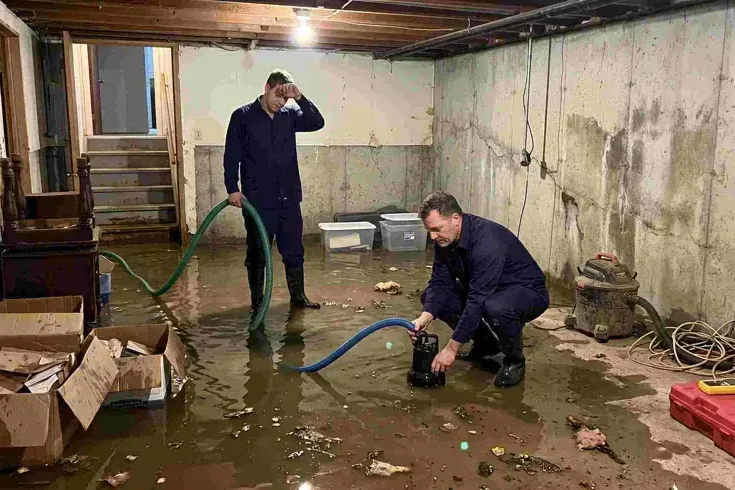
Pumps remove pooled water while extraction tools reach carpet, floor joints and low spots.
Service details ›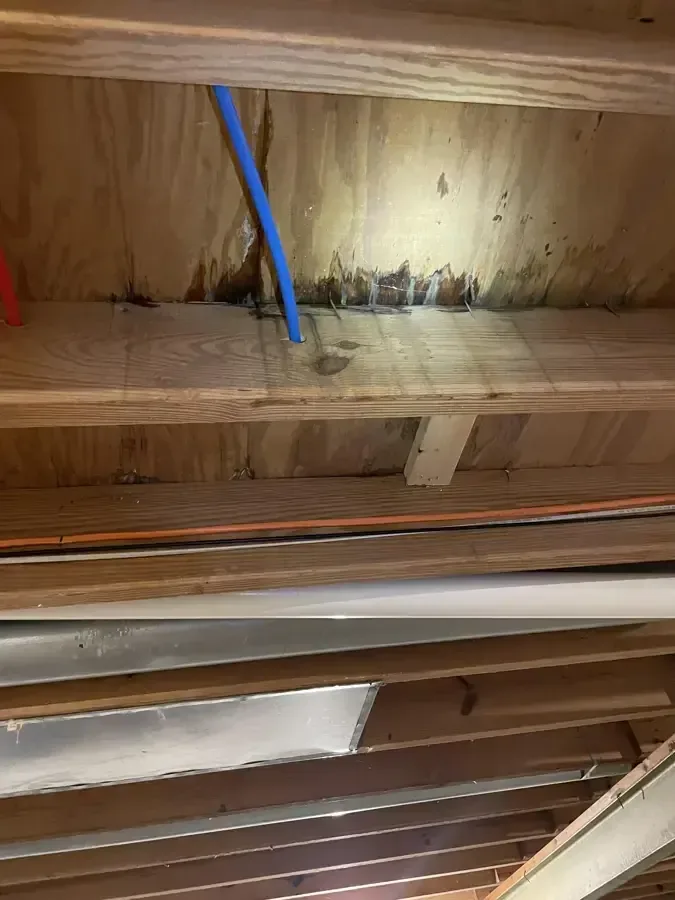
Ceiling Leak Water Damage
Overhead saturation calls for safe access and checks above the damaged finish.
Service details ›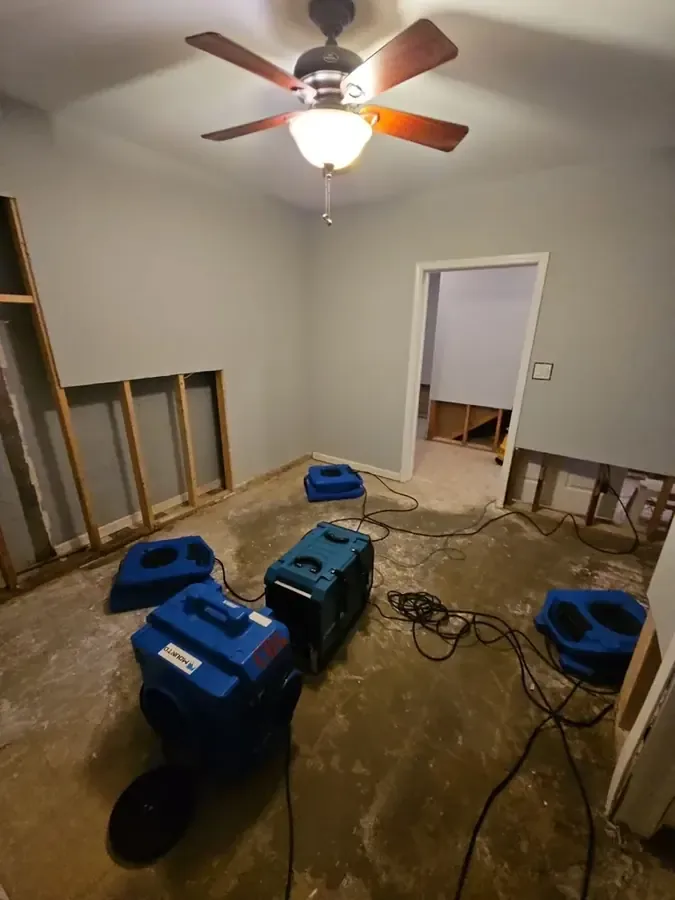
Structural Drying
Material readings determine equipment placement and the end of the drying phase.
Service details ›Burst Pipe Water Damage questions
What if shutting the valve does not stop the water?
The plumbing professional should be told that visible flow continues after the attempted isolation. Another supply path or retained water in an overhead assembly may be involved. Occupants should avoid experimenting with equipment in a wet area. Source control and safe access need to be established before the interior recovery can proceed effectively.
Does fixing the pipe complete the restoration?
The repaired component prevents continued escape, but surrounding materials may remain saturated. Restoration evaluates floors, insulation, wall cavities and contents exposed before repair. A moisture assessment helps determine the drying work still needed and provides the basis for closing the opening or installing replacement finishes after the plumbing task ends.
Can a pipe leak wet a room below it?
Water can travel downward through openings and connected assemblies, so the room below a suspected rupture deserves inspection when accessible. The visible stain may be offset from the source. Mapping both levels helps identify retained moisture and keeps the drying plan from concentrating only on the immediate pipe repair location.
Must every damp wall be removed?
Wall retention depends on material condition, contamination, exposure and access for effective drying. Some assemblies can be dried with limited openings, while damaged or inaccessible wet layers may require removal. The estimate should explain each proposed opening and use measurements and photographs to connect that decision to the observed damage.
Which discovery details are most useful?
Record when the space was last seen dry, when water was first noticed and whether fixtures were operating. Photographs of the initial boundary and the failed component can help. These details support the inspection, but the actual drying area is established through material checks rather than assumptions about elapsed time alone.
How are cabinets affected by a nearby rupture?
Water can enter beneath toe kicks, along cabinet backs or through seams adjoining a wall. Those areas may remain concealed after the floor is wiped. The inspection considers whether access is possible without damaging retained components and whether the cabinet material has changed enough to require a different restoration approach.
When should the wall opening be patched?
Patching follows completion of source repair and appropriate drying verification for the materials being enclosed. The responsible trades should coordinate their work so the opening remains available for needed checks. The final drying notes should state any limitations, remaining wet areas or replacement materials required before the repair is finished.
Dry the materials around the repair
Arrange an inspection that follows moisture beyond the opening and prepares the retained assembly for replacement finishes.
(888) 480-6221Plan the pipe damage recovery