Sump Pump Failure Cleanup Allston, MA
When an existing sump system stops keeping up, water can spread into finished space before the equipment problem is resolved. Cleanup needs its own plan for the accumulated water and the materials surrounding the overflow.
(888) 480-6221Assess damage from sump overflow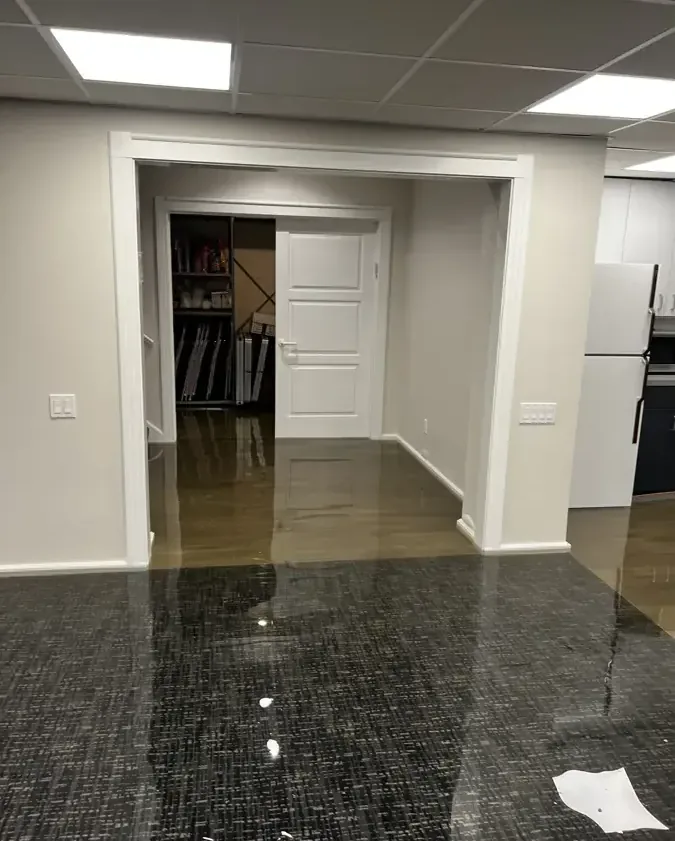
A failed sump system and the water left on the floor are related problems with different repair needs. At an Allston property with existing sump equipment, a qualified equipment assessment should address the pumping problem while restoration examines the overflow's path. Water may reach a finished hallway, storage area or wall base well beyond the basin before the equipment receives attention.
How sump pump failure cleanup proceeds
Assess the equipment status and wet rooms
The inspection records accumulation, access and the source-control plan. The property contact describes affected spaces while qualified help addresses electrical concerns or the mechanical problem involving the sump system.
Extract water beyond the basin
Accessible floor accumulation is removed according to the conditions found. The restoration assessment checks separate low areas and evaluates exposed contents or finishes that remain wet after the basin itself has cleared.
Prepare and dry retained assemblies
Necessary material handling and cleaning expose the surfaces that can remain. Equipment and measurement points follow wet wall bases, floor layers and framing rather than concentrating exclusively on the original pump location.
Assess material results alongside equipment findings
The final handoff describes drying observations, repair status and any remaining limitations. The owner can coordinate replacement finishes with further mechanical work using a clear account of both the lower room and the sump system.
Establish whether accumulation is still increasing
The property contact should describe the current water level, visible equipment condition and any repair already arranged. A pump that resumes operating may clear the basin while leaving water trapped elsewhere on the floor. The restoration inspection needs to identify those separate collection areas and the source-control status before choosing extraction and drying methods.
- Report changes noticed in the water accumulation without opening electrical components or entering the pooled area.
- Identify the rooms reached by overflow and any doorway that prevented water from draining back.
- Keep equipment repair findings available so interior work can be coordinated with continuing water entry.
Lower Allston includes single-family and multifamily Victorian homes. Where a property has sump equipment, its actual lower-floor layout determines how an overflow affects the interior. Finished partitions, stored belongings and flooring transitions can each create a different wet boundary, making a room-by-room inspection more useful than focusing only on the pump basin.
Look for water the repaired pump cannot reach
A low spot under a covering or behind a partition may remain wet even when the basin level has fallen. Surface extraction and selective material access can be needed beyond the mechanical repair. The inspection should evaluate porous finishes according to their exposure, then explain any removal required for cleaning or drying the retained assembly.
Allston Square is located at Western Avenue and North Harvard Street. When arranging an assessment around those streets, the property contact can identify the lower-room entrance and equipment location. Those access details help plan extraction hoses and material handling through the occupied building, including the route from the entrance to the affected lower rooms.
- Check the base of finished walls and fixed storage around the overflow path.
- Evaluate floor backing and any layer that prevents access to trapped moisture beneath the surface.
- Document the cleared area and remaining wet edges before new finishes conceal the condition of the lower room.
Describe the sump equipment, the water beyond the basin and the rooms affected. An assessment can separate mechanical repair needs from the extraction and drying work inside the lower space.
(888) 480-6221Discuss the sump overflowAvoid electrical handling around wet pumping equipment
Occupants should not reach into a wet sump area, unplug equipment while standing in water or open electrical controls to investigate a failure. A qualified professional should assess the equipment and any affected electrical components. The route into a flooded lower room also needs evaluation before a household pump or extension cord is brought inside. Keep children and pets away from the basin and wet floor. Restoration should coordinate extraction with the equipment repair so work proceeds with a clear understanding of continuing entry and safe access.
Check the retained room after the basin recovers
The final restoration assessment should follow moisture in the flooring, wall bases and any exposed framing. The equipment's operating condition remains a separate part of the project record. With both sets of findings available, the owner can coordinate finish replacement and any additional mechanical work using measurements of the materials beyond the cleared basin to establish repair readiness.
For general household precautions, see Ready.gov flood safety and the EPA household leak checks.
What does sump pump failure cleanup cost in Allston, MA?
Sump pump failure cleanup in Allston varies with the overflow area, finishes and access. These estimated ranges describe interior restoration; pump diagnosis, replacement and related electrical or plumbing work should be itemized as separate tasks.
Small floor overflow
$1,200 to $2,400
- Limited open accumulation
- Accessible wet edges
- Focused material checks
Finished room exposure
$2,400 to $4,500
- Affected wall finishes
- Layered floor moisture
- More drying access
Extensive lower-level spread
$4,500 to $6,500+
- Multiple interior areas
- Broader removal needs
- Complex restoration coordination
These ranges are estimates only. Water category, square footage, material class and the delay before drying affect the scope. The water damage cost calculator compares those variables before a property assessment.
What shapes the sump pump failure cleanup plan
Mechanical repair and cleanup stay connected
The assessment records what is known about the sump equipment and current accumulation. Those findings inform extraction timing while keeping the responsibility for pump diagnosis separate from restoration of the wet interior materials.
The overflow path sets the boundary
Inspection follows the water into doorways, storage spaces and finished partitions beyond the basin. This helps identify trapped moisture that the repaired equipment may no longer be able to remove from the room.
Finished lower rooms receive material checks
Floor backing, trim and wall bases are evaluated after visible water is cleared. The scope explains any additional access needed to expose retained layers and prevent a cosmetic repair from concealing moisture below.
The owner receives distinct completion records
Equipment findings and material drying observations describe different parts of the recovery. Keeping them understandable supports later decisions about replacement finishes, further mechanical work and the use of the affected lower space.
Sump pump failure cleanup coverage in Allston
Property assessments include Lower Allston, North Harvard Street and Western Avenue. Describe the existing sump equipment, visible accumulation and nearby finished rooms so the inspection can consider access and the current source-control plan.
The same service nearby: sump pump failure cleanup in Roslindale, Brookline, Hyde Park.
Related water damage services in Allston
Basement Water Removal
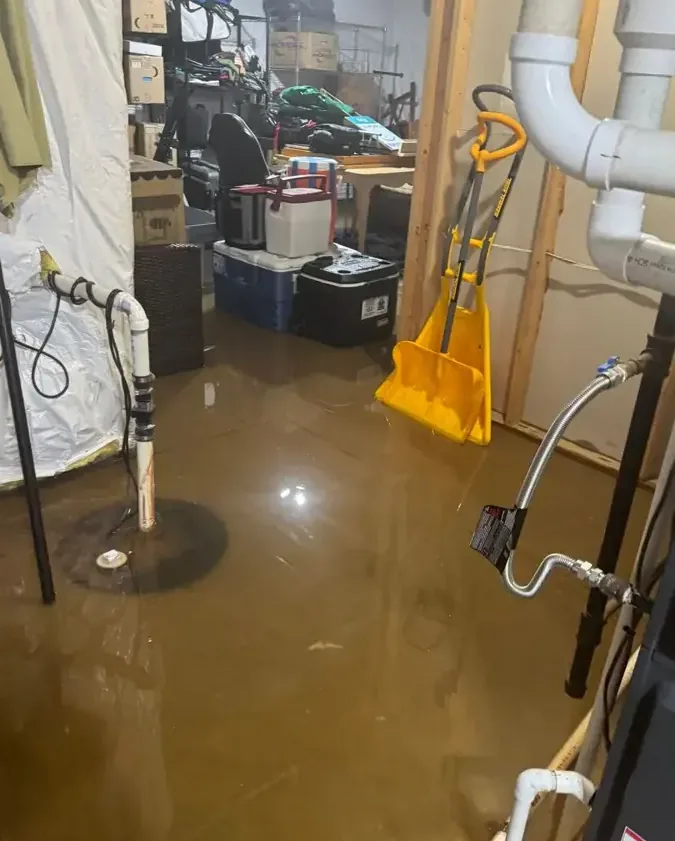
Below-grade extraction starts with electrical clearance and the actual water entry route.
Service details ›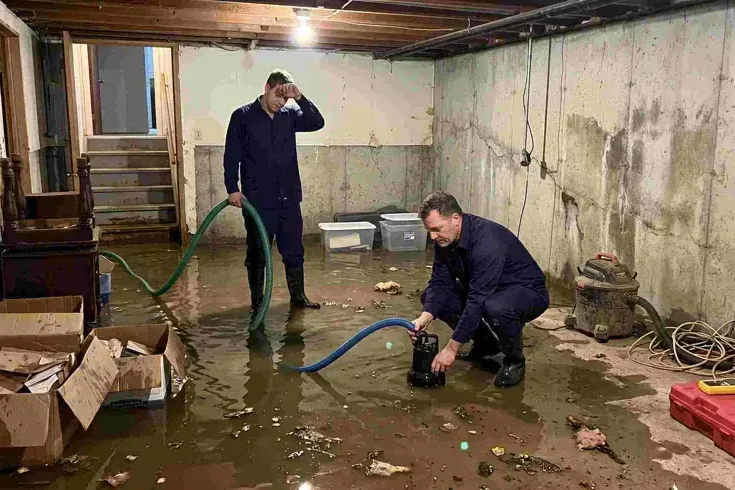
Water Extraction and Removal
Pumps remove pooled water while extraction tools reach carpet, floor joints and low spots.
Service details ›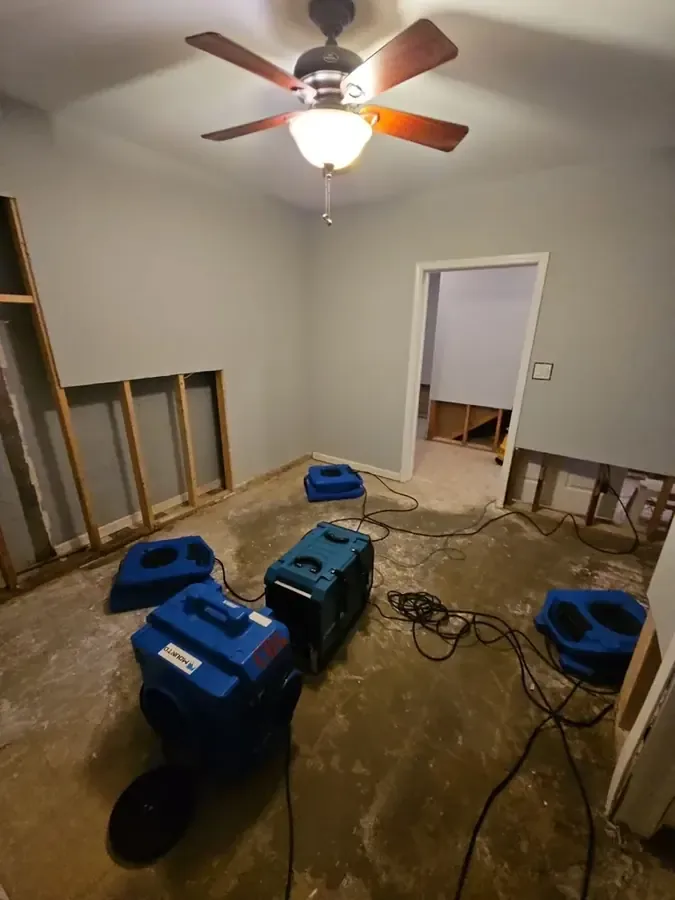
Structural Drying
Material readings determine equipment placement and the end of the drying phase.
Service details ›Sump Pump Failure Cleanup questions
Does a working replacement pump remove all of the damage?
The equipment may restore pumping at the basin while water remains beneath flooring or inside a wall. Restoration needs a separate inspection of the overflow path. Accessible accumulation can require extraction, and absorbed moisture needs appropriate material handling and drying before the affected lower room is considered ready for finish replacement.
Should the pump be unplugged while the floor is wet?
Occupants should avoid electrical handling in or around standing water. Qualified help should evaluate the equipment and affected electrical components before changes are made. A description of the pump's behavior and visible accumulation can be provided safely from outside the wet area while the responsible property contact arranges assessment and access.
Why can a finished hallway remain wet after the basin clears?
Water may be trapped by floor levels, thresholds or absorbent coverings outside the pump's collection area. The inspection follows those separate pockets and concealed edges. Surface extraction and additional access may be necessary to remove remaining water and evaluate the backing or subfloor beneath the visible hallway finish.
What should the equipment professional share with the restoration team?
Useful findings include the system's current condition, completed repairs and whether continuing inflow remains a concern. These details help restoration plan extraction and stable drying conditions. The building-material record then documents a different part of the loss: affected rooms, removed finishes, retained moisture and the work needed beyond the basin.
Can all lower-wall finishes stay after a sump overflow?
Retention depends on the water source, material condition and ability to reach concealed moisture. Some surfaces may be prepared and dried, while damaged or unsuitable porous layers require removal. The scope should explain each decision and record the condition revealed behind the finish before the owner plans replacement work.
What access information helps with an overflow assessment?
The location of the basin, the dry entrance route and the rooms reached by water are useful starting details. The property contact should also mention equipment or electrical concerns and shared-space restrictions. These observations support a practical removal plan without asking an occupant to measure water depth or move through the flooded area.
What belongs in the final assessment before the room is reset?
The assessment should distinguish the sump system's repair status from the condition of retained building materials. Drying observations, removed finishes and unresolved access limitations belong in the restoration record. With those details available, the owner can coordinate remaining mechanical tasks and interior replacement work before furnishings or new surfaces close off inspection access.
Follow the damage beyond the collection basin
A measured restoration scope addresses the wet finishes that remain after the pumping problem receives qualified attention.
(888) 480-6221Arrange overflow cleanup assessment