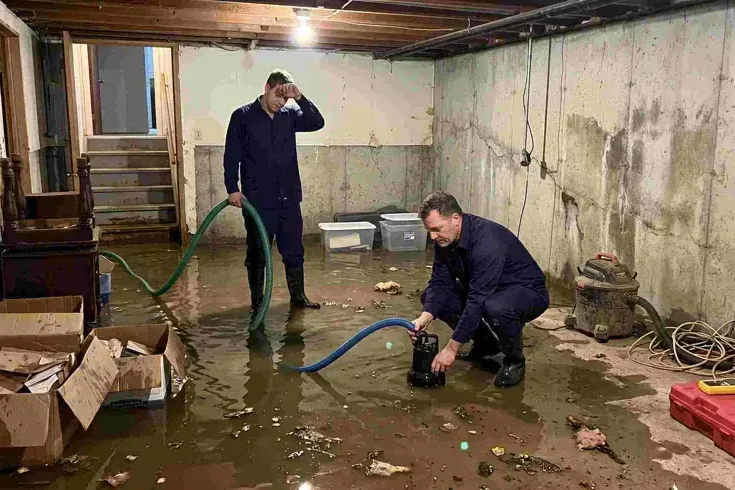
Roslindale Square has Adams Park at its center and includes shops and apartment buildings. Water inside a shop therefore raises more than a floor cleaning question: merchandise, occupied rooms, public access and the source of the leak all need attention. The most useful initial plan gives each of those decisions an owner and a clearly described area.
Key takeaways
- Close the affected customer route before moving stock through it.
- Separate merchandise decisions from building material decisions.
- Identify the person authorized to approve access above the shop.
- Use written room boundaries when releasing part of the premises for use.
- Keep source repair, cleanup and finish repair records together.
Start at the entrance a customer would use
A shop owner should first establish whether the entrance and the route through the premises remain usable. Visible standing water, wet electrical equipment or overhead deterioration can require closure of the affected area before staff begin ordinary opening duties or move deliveries into the building.
The work boundary should account for customers who do not know the layout. A chair or small sign beside a puddle may be easy to overlook, so the manager needs a deliberate access arrangement that keeps people out of the work area and preserves a usable exit.
Commercial water damage cleanup can organize the affected space into work areas with different needs. The initial discussion should cover trading hours, staff access, stock rooms and shared corridors, with the cleanup scope tied to the actual wet area rather than the shop name alone.
- Record which entrance is affected.
- Identify any shared passage that must remain accessible.
- Keep incoming stock away from wet floor areas.
- Tell the crew about public access before equipment placement.
Merchandise needs an item record before it moves
Water on a display shelf can affect packaging differently from the item inside. Staff should photograph the shelf arrangement and visible contact with water before moving goods when this can be done safely, then keep the item description associated with its original location and observed condition.
A stock list becomes more useful when it separates exposed merchandise, dry goods moved for protection and items still awaiting assessment. Those groups should remain identifiable after relocation, so a later reviewer can identify the affected items, their condition and the reason each was removed from sale.
Specialty goods may require advice from the supplier or an appropriate contents specialist. The shop manager should retain product labels and handling instructions when available, and avoid making a cleaning or resale decision solely because an outer package has dried or no longer shows a visible water mark.
An apartment above changes the access schedule
The square includes the area between Belgrade Avenue and Washington Street, with retail and residential uses in the neighborhood. Where a shop occupies the space beneath an apartment, the inspection needs a route to the suspected release above as well as access to the commercial room below.
A tenant, shop operator and building owner may each control a different door or approval. Identifying those contacts early helps the crew arrange the necessary inspections without asking staff to open a private room or remove material outside the authority granted for the commercial cleanup work.
The source repair appointment and the drying visit should share findings about the affected room. If the overhead release remains active, the shop needs a plan to protect the floor and contents below while the responsible repair professional works on the cause and confirms the result.
- Name the person who can authorize building access.
- Ask for the room location of any reported overhead leak.
- Keep apartment contact arrangements separate from customer information.
- Record the source repair status in the daily work notes.
Fixed displays can conceal the wet boundary
Water reaching a cabinet base, display plinth or partition can disappear beneath a surface that looks intact from the aisle. Inspection should follow the edge of the fixture and the adjoining floor, with photographs showing which parts were visible and which parts required additional access to examine.
An item of furniture should not be pulled apart merely because it is nearby. The assessment should explain the observation that prompts further access, such as moisture at a base or a wet floor extending behind it, and identify who has permission to move or dismantle the fixture.
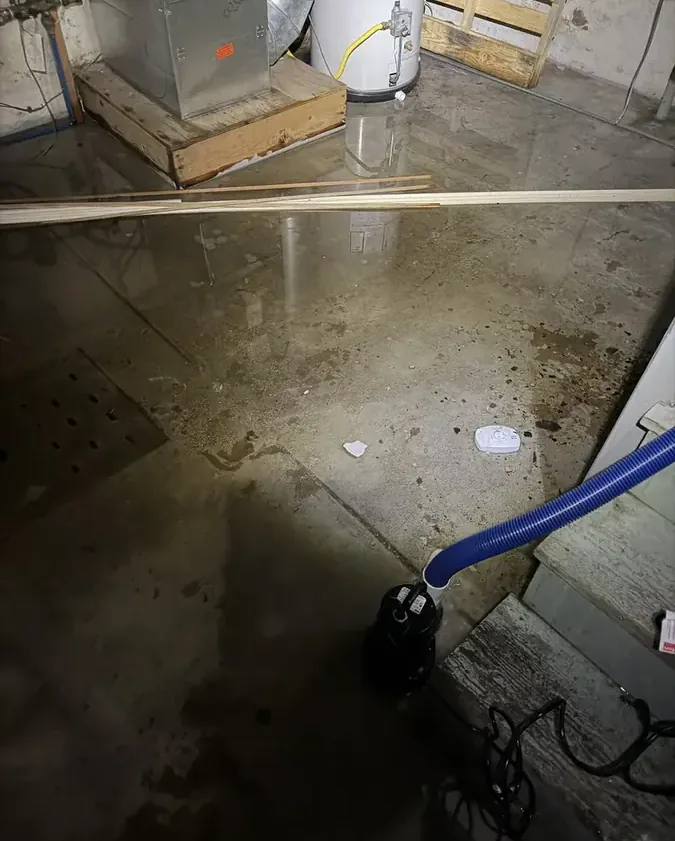
Floor water extraction addresses reachable liquid before a drying arrangement is finalized. The crew can then examine the remaining floor layers and fixed obstructions, distinguishing a surface that has been cleaned from a concealed area that still needs assessment and possibly further work.
Equipment belongs in a planned working layout
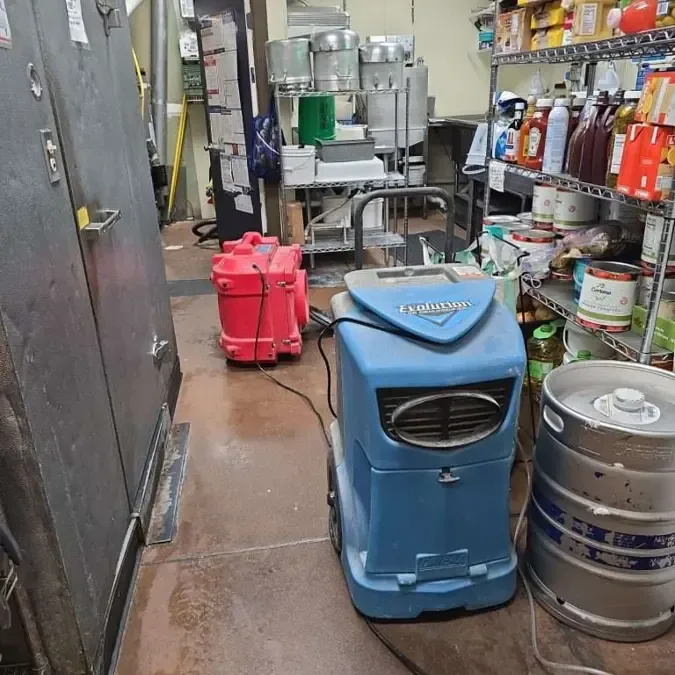
A drying machine placed in a convenient open space can still obstruct a delivery path or staff task. The arrangement should be discussed with the manager so the equipment can operate as intended while staff understand which routes and rooms are unavailable during the work period.
Air movement also needs to suit the condition of the affected materials and contents. Loose paper goods, unstable finishes or a contaminated area call for specific handling decisions before airflow is introduced, and protected stock should remain outside the work boundary established for the cleanup.
The manager should know how to report a stopped machine, an access problem or a change in wetting. Equipment should stay in its assigned position unless the crew directs a change, and any interruption should be recorded so that later material readings can be interpreted with the operating conditions in mind.
- Draw the agreed equipment and cable positions.
- Keep deliveries out of the drying area.
- Assign a staff contact for access changes.
- Record interruptions instead of silently resetting the layout.
Reopening decisions should name the usable space
A partly affected premises may have dry rooms alongside an active work area. The release decision should describe the actual room or route that has been assessed, including any restrictions, instead of treating the entire shop as either finished or unfinished without explaining the difference between areas.
Measured building drying supplies information about retained wet materials. That record belongs alongside cleaning and safety decisions; the manager also needs to know whether a floor transition, an open ceiling or a disconnected fixture still prevents the normal use of a particular space.
The written handoff should identify what remains to be repaired after mitigation. Staff can then organize stock placement and appointments around the real repair boundary, reducing the chance that new displays conceal an opening or block a surface that a follow on contractor still needs to reach.
Keep the business record understandable later
A clear file separates the cause, the response and the resulting condition. The first photographs show the water and affected merchandise, the work notes explain removals and equipment, and the final photographs show the room arrangement after the cleanup rather than repeating only the earliest dramatic image.
Invoices should describe the work actually performed and identify the premises or room concerned. A repair invoice for the source and a drying record answer different questions, so keeping both helps a property owner or insurer follow the sequence without having to reconstruct it from short messages.
Roslindale business owners can use a single authorized contact to collect those records and distribute the relevant portions to the people arranging repairs. The closing work summary should list any outstanding stock assessment, fixture work or finish replacement so the next appointment begins with a specific task.
Questions
Can staff move dry stock out before cleanup starts?
Dry goods can be relocated when the route and handling are safe. A location note prevents the protective move from later being mistaken for a record of damaged merchandise, especially when several storage areas are involved.
Does an upstairs leak require the shop to approve apartment work?
Access and approvals should come from the person authorized for each space. The building contact can connect the relevant occupants and trades while keeping the shop cleanup scope clear.
What should be noted when a display cannot be moved?
The file should identify the obstruction, the area behind it and the reason access is unavailable. That creates a concrete follow up task for inspection instead of leaving the concealed floor out of the work record.
How can a manager describe partial completion to staff?
Use room names and usable routes, together with remaining restrictions. Staff need to understand the physical boundary of completed work and which areas still contain equipment, exposed materials or pending repairs.