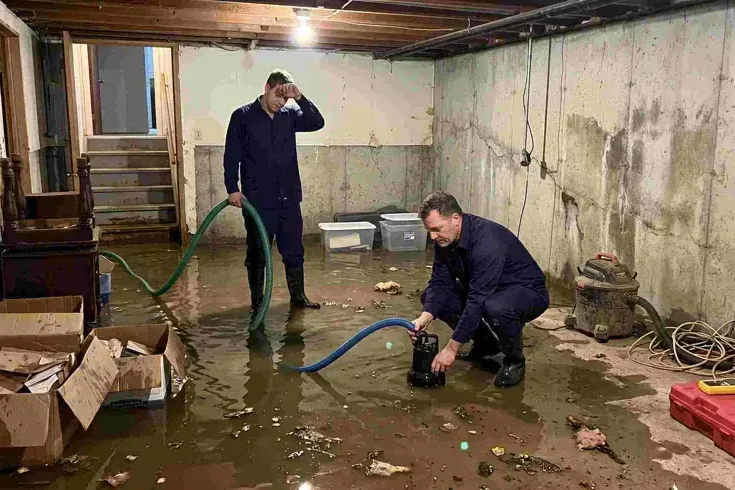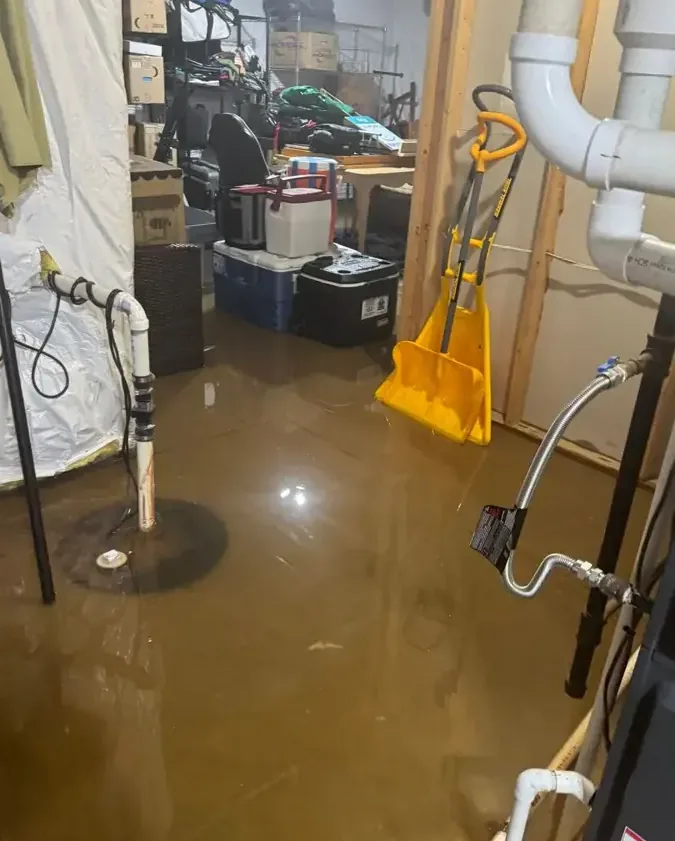
An Allston water main break on December 8, 2017 flooded basement apartments after a construction crew struck the main at Brighton Avenue and Linden Street. Residents of a Commonwealth Avenue building stayed elsewhere afterward. That event highlights the practical questions a lower apartment water loss can create: access to essential belongings, communication with the owner and a cleanup boundary that includes the occupied room's concealed materials.
Key takeaways
- Treat the entry route and utilities as the first access questions.
- Coordinate the tenant's belongings separately from the owner's building repairs.
- Keep photographs tied to rooms and item locations before relocation.
- Record wet floor layers, wall bases and fixed storage in the assessment.
- Ask for a written handoff describing remaining restrictions and repairs.
The stair or doorway needs attention before belongings
A resident may want to reach medication, documents or clothing immediately after learning that an apartment is wet. The first decision should concern the access route, including water depth as observed safely, electrical equipment and loose or damaged material that could make entry hazardous before cleanup has begun.
The property contact should tell the crew how the apartment is reached and whether the usual entrance is affected. Photographs taken from a dry position can help explain a blocked doorway or wet stair, while retrieval from an unsafe area should wait for the people assessing the premises to establish access.
Basement water removal needs a room specific plan for an occupied apartment. The assessment should distinguish the living area, storage and utility equipment, with the resident's essential items identified for recovery when safe access and appropriate handling can be arranged by the responsible team.
- Describe the usual apartment entrance.
- Tell the assessing crew about nearby electrical equipment.
- Identify essential belongings without entering an unsafe area.
- Keep other residents away from the affected access route.
The tenant and owner hold different information
A tenant can often explain where water first appeared, which items were on the floor and what changed before the problem was reported. The owner or manager can provide building access, source repair contacts and authorization for work to fixed materials, so both accounts belong in the initial assessment.
The agreed communication arrangement should identify who receives updates and who can approve each part of the job. Questions about contents, finish removal and access to other rooms should have named contacts, avoiding a situation in which a crew has entry permission but no clear approval for the proposed work.
A shared room description keeps the conversation precise. Calling a space the front bedroom or kitchen storage area, and using that name on photographs and notes, makes it easier for someone temporarily away from the property to understand which belongings and materials the next update concerns.
Belongings need a record before they change rooms
Wet personal property can quickly become mixed with dry items during urgent relocation. When access is safe, photographs should show the item in its original position and the visible water contact, followed by a short description that stays with the object or its container during handling.
The resident should identify possessions that need particular care, such as records or items with manufacturer cleaning instructions. The handling decision should follow the material and exposure, with appropriate specialist advice when necessary, rather than assuming that all contents can be treated using the same cleaning method.
A separate list should identify dry belongings moved simply to provide working space. Keeping that group distinct from exposed items helps the resident and property contact follow what happened after the loss, especially when property is stored outside the apartment while building materials are being assessed and dried.
- Photograph items in place when safe.
- Keep a room label with each contents group.
- Separate protective relocation from damage assessment.
- Preserve identifying labels and care instructions where available.
An outside release changes the cleaning discussion
The documented incident was a main break that brought water into lower apartments and interrupted water service nearby. For an affected room, the inspection should consider how water traveled to the entrance and what it contacted on the way, as well as the surfaces and contents reached once it entered.
The resident should describe any debris or residue observed without handling it to determine what it is. The crew uses the source and route information with the room condition to plan containment, cleaning and material decisions, keeping affected belongings and work areas separate from unaffected rooms where practical.
Interior water extraction removes accessible liquid as part of that assessed plan. The follow up discussion should identify what remains at floor edges, under coverings or behind fixed storage, because removing the visible pool does not finish the evaluation of the apartment's materials.
Lower wall finishes and cabinets need accessible edges
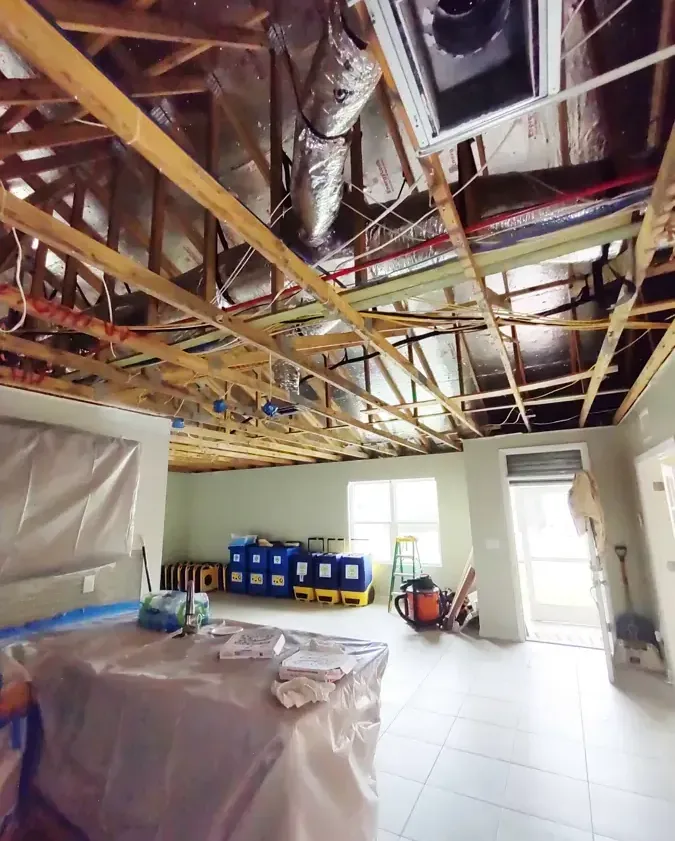
A basement apartment may contain finished walls and fixed cabinets beside the affected floor. The crew should inspect the actual materials present and identify areas that cannot be examined without access work, avoiding a cleanup description that treats the space as an empty unfinished room when occupied finishes are involved.
A cabinet base can conceal the edge of the floor beneath it. If that area needs inspection, the proposed opening or removal should have a stated purpose, with photographs showing the original condition and the material exposed afterward so the repair contractor can understand what remains to be rebuilt.
Wall bases and room transitions deserve their own entries in the moisture record. Those locations help establish whether water extended past the visible entrance, and any retained layer should have an assessment that connects its condition to a drying plan rather than relying on the appearance of the outer finish.
- List fixed cabinets within the affected boundary.
- Check the transition into adjoining rooms.
- Explain access work before removing a finish.
- Photograph concealed layers when they become visible.
Temporary absence should not interrupt the work record
In the reported event, residents from a Commonwealth Avenue building stayed elsewhere. When an occupant is away during cleanup, regular written updates can identify the rooms entered, the material decisions made and any appointments that require the tenant to collect or authorize handling of personal belongings.
A contact arrangement should also cover access for monitoring. Structural drying depends on checking the affected materials over the course of the job, so the owner and resident need to know which spaces must remain available and how an access change will be communicated.
The tenant should receive an explanation of equipment that must remain operating and of areas that remain unavailable. A written room boundary is easier to follow than a general reassurance about progress, particularly when the resident returns briefly to retrieve belongings while part of the apartment remains under assessment.
The return discussion should describe the actual room condition
A handoff for an occupied apartment should list completed cleanup and drying work alongside outstanding finish or equipment repairs. The resident needs to understand whether an opening remains, a room is restricted or a fixture awaits repair before planning normal household activities around the affected space again.
The owner should keep the source repair information with the building material records, while the tenant retains the contents inventory and relevant photographs. Copies of shared room observations can connect those files, giving each party a usable account without confusing ownership of belongings with responsibility for a building component.
Allston is a Boston neighborhood with brick apartment buildings along Commonwealth Avenue and wooden triple deckers toward Brighton. Each affected apartment still needs a handoff specific to its own layout, materials and completed work, with the next repair appointment tied to the conditions actually documented inside that home.
Questions
Can a tenant retrieve belongings before water removal?
That depends on safe access and the condition of the room. Essential items should be identified to the assessing team so recovery can be planned without asking the occupant to cross wet electrical areas or unstable materials.
Who should describe what happened before the crew arrived?
The occupant's observations are valuable alongside the owner's building information. A clear timeline records where water appeared, which rooms were affected and what action had already been taken before the inspection.
Why keep an inventory of dry items that were moved?
It distinguishes a protective move from exposure to water. That record helps the resident locate belongings later and keeps the contents assessment accurate when several groups have been stored away from the apartment.
What should the final apartment update include?
It should name the spaces treated, the current access conditions and the repairs still outstanding. The resident should also receive clear instructions about any remaining equipment or room restriction before resuming use of the affected area.