A water main break flooded properties on Willard Road in Brookline on October 9, 2024. A contractor drilling at a home struck the major main operated by the Massachusetts Water Resources Authority. For a household facing water entering from outside, the useful response separates the repair of the public water release from the work needed inside the affected building.
Key takeaways
- Stay clear of active exterior flooding and affected electrical equipment.
- Document where water entered the building from a safe position.
- Give the cleanup crew a room list and the latest source repair information.
- Track extracted water, removed materials and drying as separate work items.
- Keep photographs of the original entrance visible in the final project file.
Describe what is happening at the building entrance
A report that water is in the street does not yet describe the interior job. The household should tell the responding crew whether liquid has crossed a doorway, window opening or other visible entrance, which room first showed water and whether the amount inside appears to be changing.
Those observations can be made from a safe location without approaching the active release. Photographs showing the outside condition and the indoor entrance should remain distinct, with a short note about when each was taken so the sequence can be understood later by the people assessing the building.
Water extraction service begins with the actual affected space and its access conditions. The crew needs to know about wet electrical equipment, blocked stairs or unstable material before selecting an approach to liquid removal and deciding which room can be safely entered for assessment.
- Identify the first room reported wet.
- Describe the visible entrance without stepping into moving water.
- Note whether exterior water is still reaching the building.
- Tell the crew about utilities or equipment in the affected space.
Keep the utility update alongside the interior plan
The Willard Road incident involved a damaged public main and affected nearby properties. During any comparable release, information from the party repairing the source helps the interior crew understand whether additional water may arrive, while the household can separately record the condition already present inside each room.
The person coordinating the cleanup should pass along a concrete update rather than a general assumption that the street looks quieter. Useful information includes whether the release has been stopped and whether access restrictions remain, together with any instructions provided directly for the affected property or surrounding work area.
A completed exterior repair leaves an interior assessment to finish. Water held by floor coverings, contents or wall bases requires its own decisions, and the scope should explain how those materials will be evaluated even after the visible flow toward the house has ended and public work crews have moved on.
Map low areas without treating every room alike
A lower room can contain several different surfaces and uses, from storage areas to finished living space. The assessment should name each affected section and record its materials, avoiding a single description that obscures the difference between water on an exposed floor and water beneath an installed covering.
Door thresholds, partitions and fixed shelving may change the route through the interior. A room sketch should show where liquid was observed and which adjoining areas were checked, including any location that remained inaccessible because of contents or a safety concern during the initial visit.
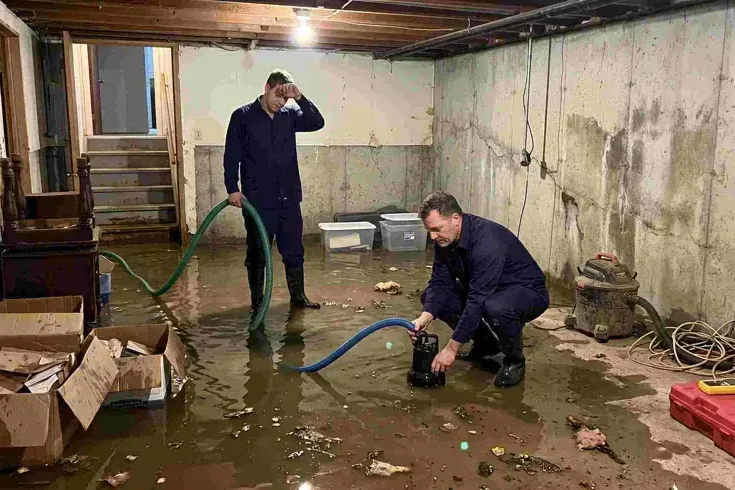
If the affected space is below the main floor, basement water removal can form part of the work. That scope should include the actual room access and material condition, with the cleanup method tied to what the crew finds in that building rather than a neighborhood assumption.
- Separate finished rooms from storage sections on the sketch.
- Identify water beneath accessible furniture and shelving.
- Keep room photographs labeled consistently.
- List any boundary that still needs an inspection.
Water that traveled outside needs a careful assessment
The route from a broken main to a room can include outdoor surfaces and material carried along the way. The crew should consider that route and the observed condition before deciding how to handle affected contents, porous finishes and cleaning, rather than describing all incoming water only by its original source.
A household should avoid spreading wet contents into unaffected rooms before their condition has been assessed. A designated holding arrangement can keep items identifiable and preserve the separation between exposed belongings and those moved only to make room for the work, with access chosen to avoid tracking through clean space.
The assessment may lead to different decisions for different items in the same room. The record should explain the material and condition behind each decision, and should retain photographs of an item before disposal when this can be done safely and consistently with the agreed cleanup plan.
Extraction needs an agreed route through the home
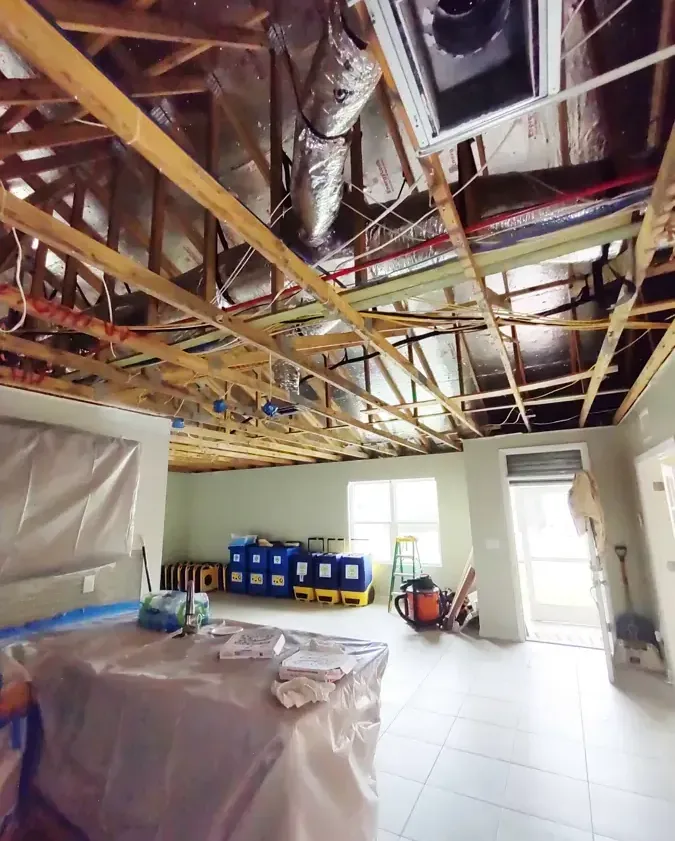
Equipment and hoses need to reach the wet space without creating an unnecessary obstacle for occupants. The crew should agree on an entry route and working area, then explain which doors, stairs and rooms are unavailable during removal so the household can plan essential movement around the job.
The extraction plan also needs to account for the building condition. A room with damaged surfaces or an uncertain electrical situation requires the relevant assessment before equipment is operated there, and the household should avoid attempting to restore power or move wet powered equipment simply to speed access.
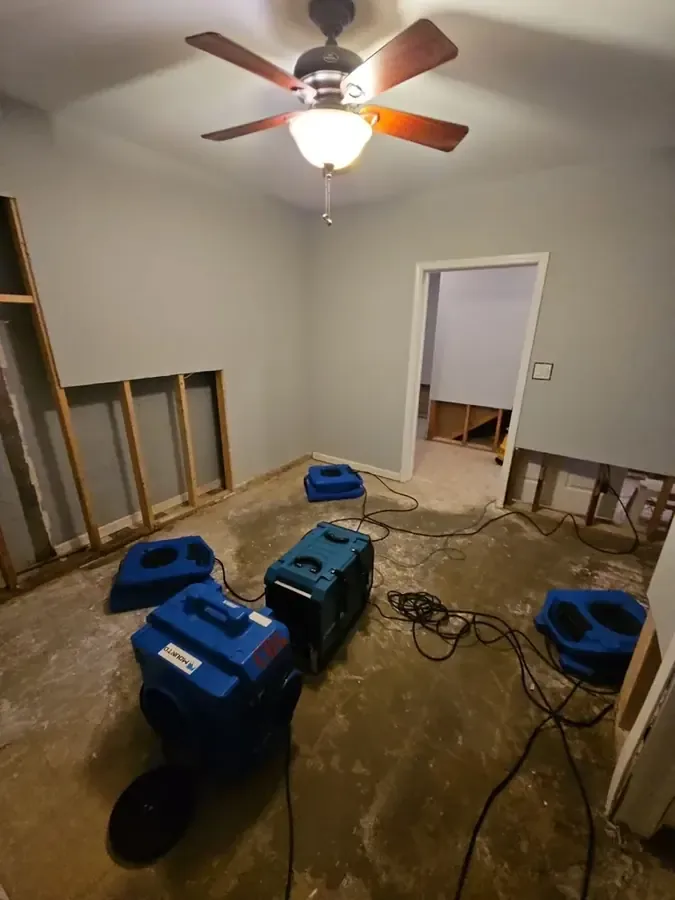
Visible liquid removal is followed by another look at the surfaces that remain. The crew should identify pockets of water or wet layers that the initial extraction could not reach, and document whether additional access, material removal or a revised drying arrangement is needed to complete the interior work.
- Agree on the equipment entrance before moving contents.
- Keep a separate route for household essentials where possible.
- Ask for the remaining wet areas to be identified after extraction.
- Record the reason for any additional opening or removal.
Document the cause without merging separate losses
Brookline also has documented river and rainfall flooding history involving the Muddy River and Leverett Pond. For the job at hand, the record should stay specific to the observed release, with photographs and repair information identifying whether water came from the reported main break or another source requiring separate attention.
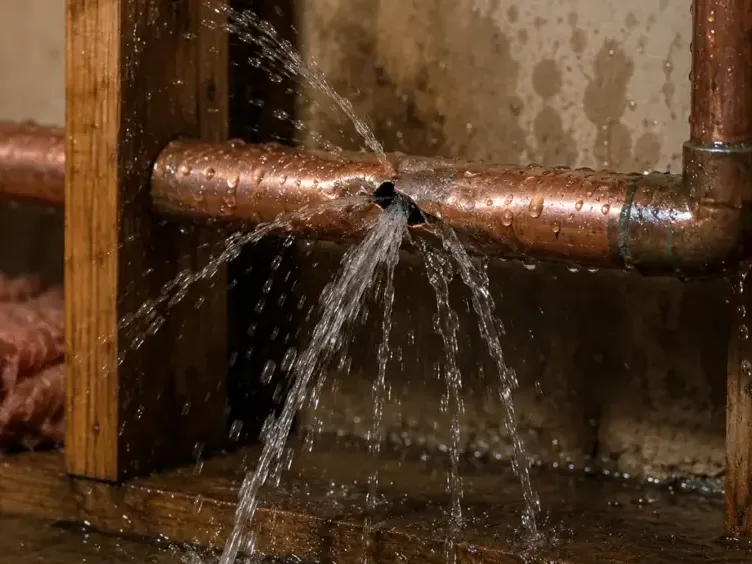
A household pipe problem needs its own repair record if one is discovered during the assessment. Burst pipe damage cleanup addresses wet building materials after that kind of interior release, and the distinction should remain clear in the room notes and invoices supplied for the property.
The file should retain the timeline in plain language: what the occupant noticed, what was observed on arrival and what work followed. This approach gives an insurer or repair contractor a readable account without substituting a neighborhood event description for the conditions actually documented inside the home.
Closing the job means accounting for retained materials
The removal of standing water is an important milestone, but the closeout should also address retained finishes and contents. The crew should explain which materials were dried, which were removed and which items still need a specialist decision, with photographs that show the room condition after the equipment work.
A final room inspection should revisit the original entrance and the adjoining areas identified on the first sketch. Any repair needed at an opening, wall base or floor transition should be described so a follow on contractor can find the location without relying on the memory of the initial response.
The property contact can then collect the source repair information, extraction record, material observations and outstanding repair list in one place. That file helps the household organize the next appointments around defined tasks while preserving the relationship between the outside release and the interior work that followed.
Questions
Does stopping the public main release finish the household cleanup?
The interior still needs evaluation for trapped water, affected contents and wet finishes. The source repair update helps the crew plan, while the room assessment establishes what remains to be done inside the property.
Should photographs include the exterior water route?
Images taken safely can help connect the outdoor condition with the indoor entrance. They are most useful when paired with room photographs and short notes identifying what each image shows.
Why are wet belongings kept separate from dry items?
Separation preserves handling choices and helps avoid carrying moisture or debris into unaffected space. An item record also keeps protective relocation distinct from a decision that something requires cleaning or replacement.
What belongs in the final water removal record?
The file should describe treated areas, equipment work, material decisions and remaining repairs. It should also retain source information and the inspection observations that explain why the cleanup boundary was selected.