Boston Water and Sewer Commission advises residents to check for drafts near water pipes, insulate pipes in unheated spaces and locate the water shutoff before an emergency. For Hyde Park households, those tasks can be organized around the actual pipe route and room access. A short preparation record also helps explain where to look if a cold weather plumbing problem later releases water indoors.
Key takeaways
- Locate the water shutoff while access is dry and uncomplicated.
- Check open windows, vents and drafts near exposed plumbing.
- Use appropriate professional help for suspected frozen pipes and avoid open flames.
- Record the rooms and materials reached by any resulting leak.
- Keep the pipe repair details with the drying and finish repair records.
Walk the accessible pipe route before cold weather
A household inspection can begin with the plumbing that is visible from a safe, dry position. The useful notes identify the room, the exposed pipe section and any nearby opening or draft, so the preparation task concerns a specific location instead of a general assumption about the entire building.
The utility recommends looking for open windows and air vents near water pipes. A property contact should establish the purpose of an opening before changing it, and arrange suitable repair or insulation work for the identified condition rather than covering a vent or altering building equipment without understanding its function.
Fairmount Hill has houses built in the late nineteenth and early twentieth centuries. In any individual home, the inspection should establish the current plumbing route and accessible spaces, including later alterations, with photographs or room notes that a plumber can use when evaluating the preparation work.
- Note the room containing each exposed pipe section.
- Identify nearby drafts without disturbing equipment.
- Keep storage from blocking access to plumbing.
- Arrange an inspection of pipes in unheated spaces.
Make the shutoff location easy to communicate
The commission advises finding the water shutoff before a pipe emergency. The property contact should know where the relevant valve is and how to describe its location to another authorized person, especially when the building has separate occupied spaces or an access door that is normally kept locked.
A clear route to the valve matters as much as knowing its name. Boxes and stored furniture can make an otherwise reachable location difficult to approach during a leak, so dry weather preparation should include checking access and arranging any needed explanation of the valve with an appropriate plumbing professional.
Household members should understand that a wet or electrically affected route changes what is safe to reach. The preparation note can identify the responsible contact and the valve location, while leaving hazardous access or uncertain equipment operation to qualified assistance when the actual emergency conditions require it.
Reduced flow needs a calm plumbing assessment
A fixture that loses normal flow during very cold conditions deserves investigation before the household assumes the problem will resolve on its own. The contact reporting it should describe which fixtures are affected and any visible leak, together with accessible pipe locations and recent observations about room conditions.
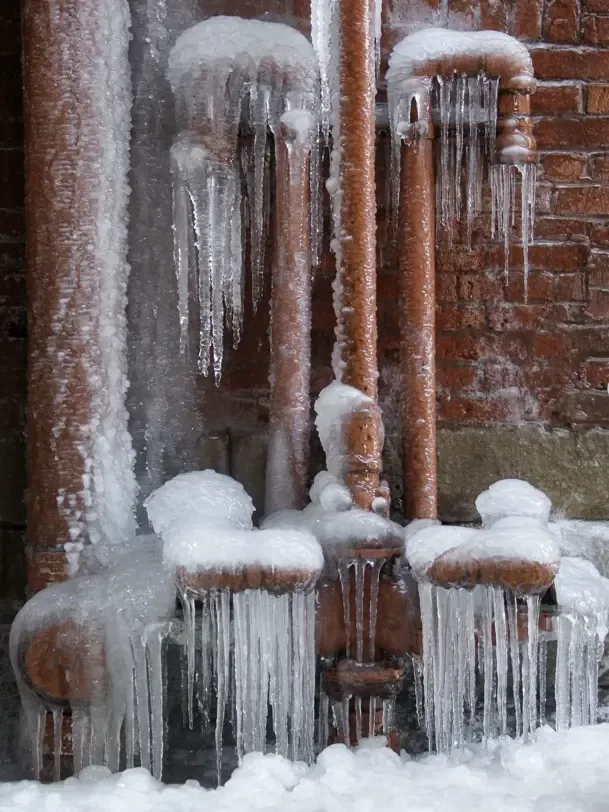
Boston Water and Sewer Commission warns against thawing pipes with an open flame. A suspected frozen section should be assessed with an appropriate method by someone able to evaluate the plumbing and its surroundings, keeping improvised heating away from concealed areas, wet surfaces and nearby combustible materials.
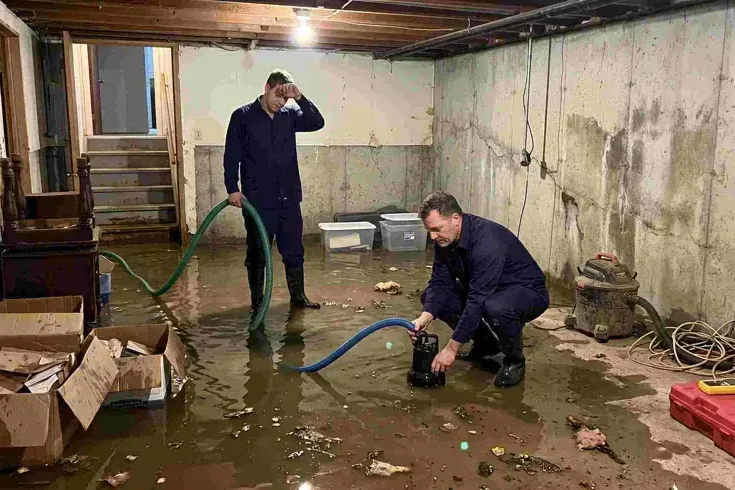
Frozen pipe water damage cleanup concerns the wet building materials when a release has occurred. The plumber evaluates and repairs the pipe problem, while the restoration assessment follows any escaped water into walls, floors or adjoining rooms and defines the cleanup work those areas need.
- Describe which fixtures have changed flow.
- Report visible drips or newly wet finishes.
- Keep open flames away from suspected frozen plumbing.
- Pass the pipe assessment findings to the cleanup contact.
A repaired pipe can leave several wet surfaces
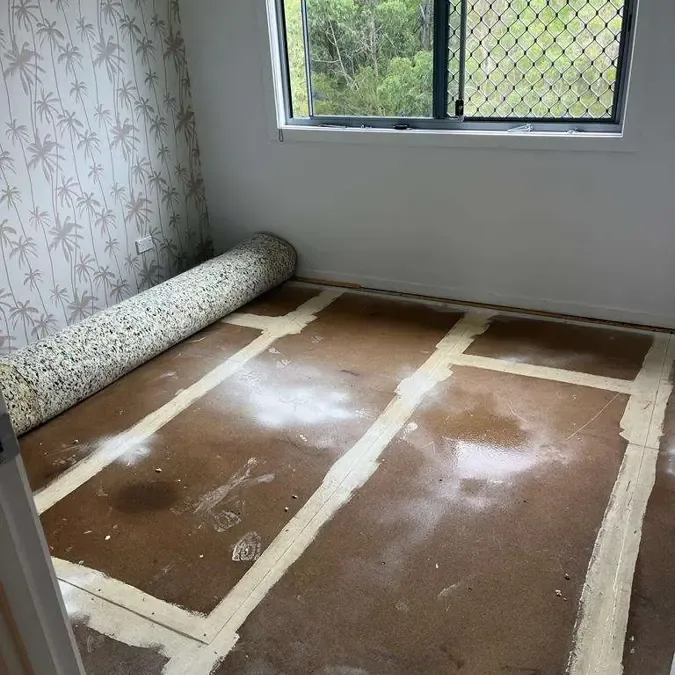
Once a release has been stopped, the room should be inspected beyond the immediate repair location. Water may have reached the wall base, floor covering or contents before the source was found, and the assessment needs separate observations for those materials so the repair invoice does not become the whole cleanup record.
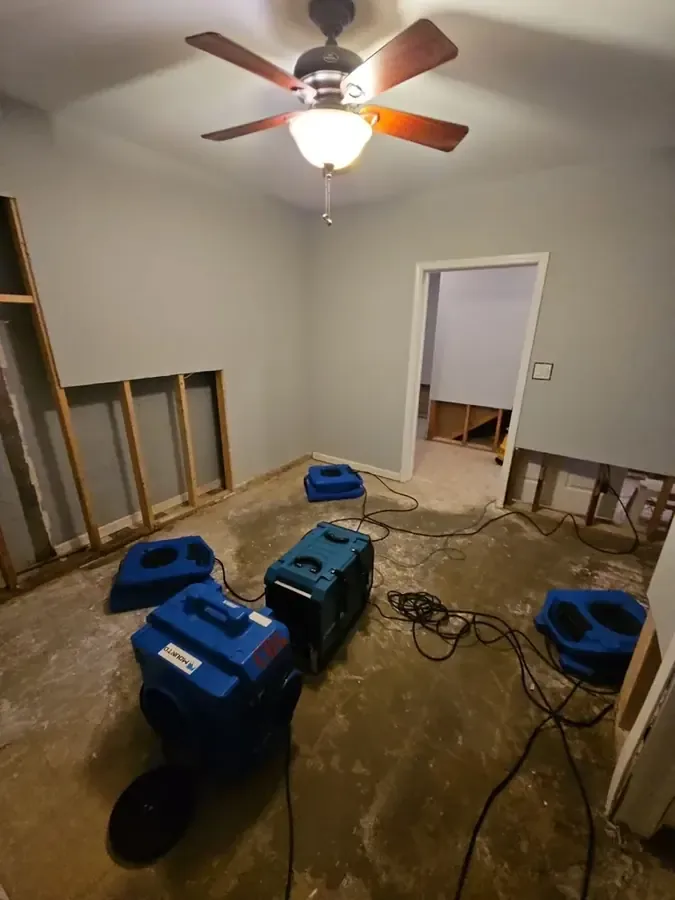
A leak inside a concealed space can require access for more than the pipe repair. The crew should explain whether additional opening is needed to inspect wet backing, remove affected material or establish a workable drying arrangement, with the location and purpose recorded before the finish is disturbed.
Water extraction removes reachable liquid from the affected area. After that work, a further inspection should identify what remains wet beneath or behind retained finishes, and show which adjoining surfaces were checked before the boundary of the drying job is considered complete.
Older decorative details need their own handling plan
Fairmount Hill includes Italianate, Gothic Revival and Victorian house styles. When a wet room contains decorative woodwork or other distinctive finishes, photographs should record the original condition and attachment before access work, allowing the crew and repair contractor to discuss retention with the actual item in view.
Decorative value is a reason for careful documentation, while the material condition still governs its treatment. The assessment should consider whether the piece remains sound, whether its concealed side can be examined and whether it can be dried in place or needs removal to reach the wet assembly behind it.
A retained piece should stay associated with its original room and position. That simple identification helps the finish repair appointment proceed with useful information, particularly when more than one opening was needed or several similar trim sections were removed during the investigation and material drying work.
- Photograph distinctive finishes before access work.
- Ask which pieces are proposed for retention.
- Keep removed reusable material labeled by location.
- Record newly visible moisture behind decorative elements.
Monitor the material after the heating problem is addressed
Restoring normal room conditions and repairing plumbing are separate from documenting dry building materials. The drying crew should select measurement positions that correspond to the wet wall or floor assembly, then revisit those locations so progress can be explained without relying on the room feeling warmer or less damp.
The structural drying record should identify the material being checked and the comparison used. A slow area calls for reassessment of access, remaining layers and equipment operation, with a written adjustment when the original arrangement is not producing the expected material response.
Occupants should receive simple operating instructions for the drying area and a contact for reporting interruptions. Those instructions help preserve the intended room conditions, while the record of any shutdown or access change provides context for interpreting the next set of material observations at the affected location.
Turn the completed repair into a better preparation note
The closing file should identify the failed section, the repair performed and the surfaces treated afterward. It can also record the access issue or draft location found during the job, giving the property contact a concrete item to discuss with a plumber or building professional before another cold period.
Hyde Park is a neighborhood of Boston, with Readville as a named section and Cleary Square as a business district. Regardless of the setting, the useful preparation record belongs to the individual premises and should describe its actual valves, room access and inspected plumbing instead of assigning a common arrangement to surrounding buildings.
The household should keep the source repair record with final drying observations and the finish repair list. That collection supports the next maintenance visit and makes it easier to explain the prior problem, including any part of the building that needs additional work after the cleanup has ended.
Questions
What does the local utility advise before a pipe emergency?
The commission recommends locating the shutoff valve and checking for drafts around plumbing. It also recommends insulating pipes in unheated spaces, with the work arranged around the actual conditions and access in the building.
Is an open flame suitable for thawing a pipe?
No. The utility expressly warns against that method. A plumber should assess the suspected frozen section and its surroundings so the response accounts for the pipe condition and safe access.
Why inspect a wall after the pipe is fixed?
Escaped water can remain in the adjoining assembly after the repair stops further flow. The restoration assessment identifies affected layers and explains whether drying access or material removal is needed at that location.
Can preparation information be kept with the cleanup file?
Yes. Notes about valve access, drafts and the repaired section can help with future maintenance. They are most useful alongside room photographs and the completed work description, which show exactly where the issue occurred.